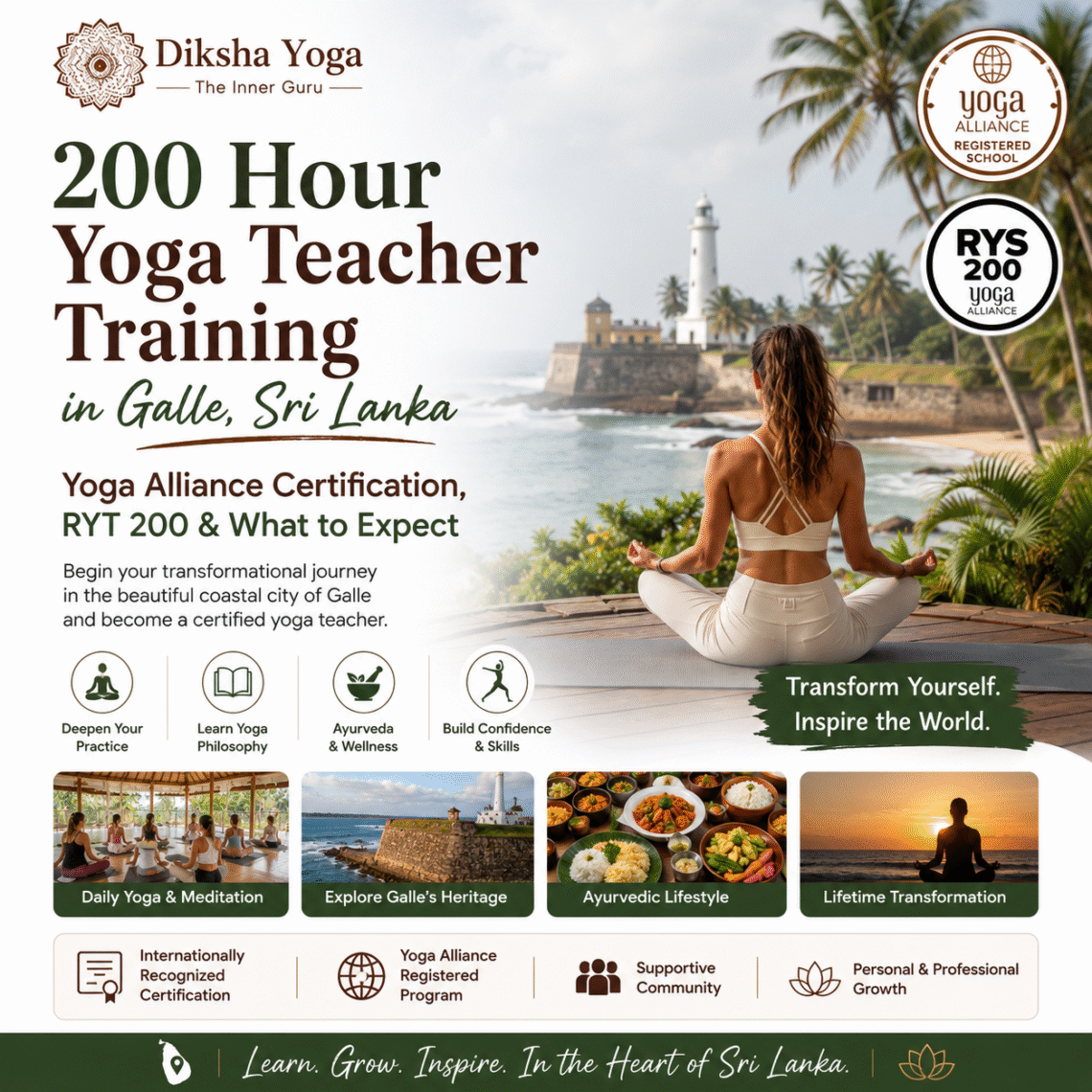
If you are searching for a 200 Hour Yoga TTC in Galle Srilanka, you are probably looking for more than a certificate.
You may want to deepen your personal yoga practice.
You may want to become a yoga teacher.
You may be looking for a Yoga Alliance pathway that is recognised internationally.
Or perhaps you simply feel that it is time to step away from your normal routine and spend several weeks learning yoga in a different environment.
Table of Contents
Whatever brought you here, there is one thing we recommend before choosing a school:
Look beyond the certificate.
A 200-hour teacher training is a significant investment of your time, energy and money.
The school you choose will influence not only what you learn, but also how you experience yoga, how confident you become as a teacher and how you continue your journey after graduation.
At Diksha Yoga School, our 200 Hour Yoga Teacher Training in Galle, Sri Lanka is designed around that idea.
The goal is not simply to help students complete 200 hours.
It is to help them understand yoga more deeply and begin developing the knowledge, awareness and practical teaching skills needed to continue growing as teachers.
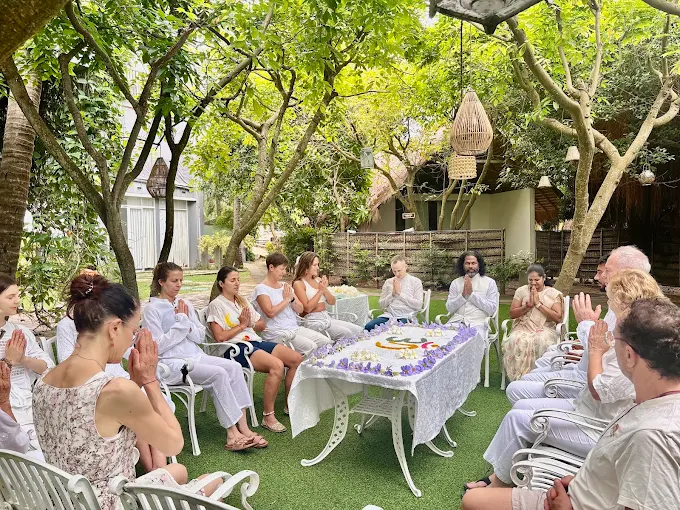
What Is a 200 Hour Yoga Teacher Training?
A 200 Hour Yoga Teacher Training is generally considered a foundational level of professional yoga education.
But the number “200” can be misleading.
It does not mean 200 hours of doing yoga postures.
A comprehensive teacher-training program can include:
- Hatha Yoga
- Vinyasa Flow
- Ashtanga foundations
- Pranayama
- Meditation
- Yoga philosophy
- Anatomy and physiology
- Alignment
- Teaching methodology
- Sequencing
- Communication
- Practical teaching
- Professional development
The purpose is to help you move from being someone who practices yoga to someone who can begin teaching yoga responsibly and confidently.
That is a very different skill.
What Does Yoga Alliance RYS 200 Mean?
If you have researched yoga teacher training, you have probably seen the term RYS 200.
RYS 200 means:
Registered Yoga School, 200 Hours.
It refers to a Yoga Alliance school/program credential.
It is important to distinguish this from RYT 200.
RYS 200
This refers to the registered school/program.
200-Hour Yoga Teacher Training
This is the education you complete as a student.
RYT 200
This refers to the individual teacher credential.
Yoga Alliance describes RYS 200 programs around four broad educational categories:
- Techniques, Training & Practice
- Anatomy & Physiology
- Yoga Humanities
- Professional Essentials
Programs are also expected to assess students’ knowledge, skills and experience before graduation.
So the basic pathway is:
RYS 200 school → qualifying 200-hour training → successful completion → RYT 200 registration process
It is not simply:
200-hour certificate = automatically RYT 200
Understanding this difference can save students a lot of confusion when comparing yoga schools.
RYS 200 vs 200-Hour YTT vs RYT 200
| Term | What it means | Who it applies to | Purpose |
| 200-Hour YTT | 200-hour yoga teacher training | Student | Education and teacher preparation |
| RYS 200 | Registered Yoga School, 200 Hours | School/program | Registered 200-hour training framework |
| RYT 200 | Registered Yoga Teacher, 200 Hours | Individual teacher | Teacher credential after qualifying training and registration |
| RYS 300 | Registered Yoga School, 300 Hours | School/program | Advanced teacher training |
| RYT 500 | Registered Yoga Teacher, 500 Hours | Individual teacher | Advanced teacher credential |
This distinction is one of the first things we recommend understanding before booking a Yoga Alliance Yoga Teacher Training in Sri Lanka.
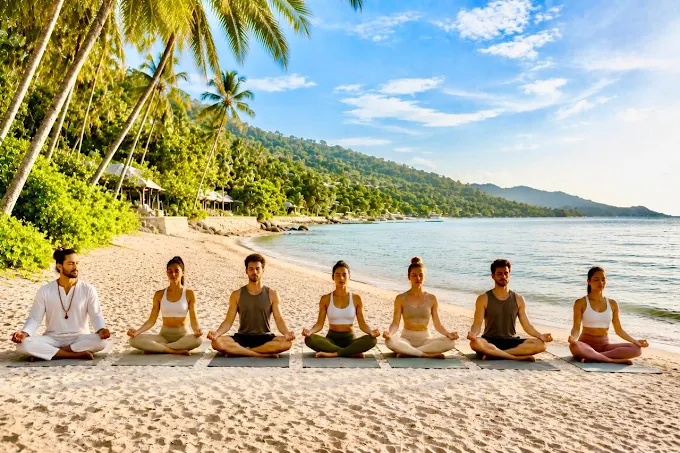
What Will You Actually Learn During 200 Hours?
The quality of a teacher training depends on what happens inside those hours.
A strong program should not simply keep students busy with classes.
It should help them understand why they are practicing something, how to teach it and when to adapt it.
Hatha Yoga provides a strong foundation for understanding posture, breath, alignment and conscious movement.
Students learn to develop awareness rather than simply trying to achieve advanced shapes.
Vinyasa introduces the relationship between breath and movement.
Students learn how sequences can be structured intelligently rather than simply moving from one posture to another.
Ashtanga Foundations
Students can explore foundational elements of the Ashtanga approach and develop discipline within their personal practice.
Breath is an essential part of traditional yoga practice.
Students explore pranayama techniques while developing greater awareness of breath, concentration and internal observation.
Meditation
Meditation supports concentration, awareness and the ability to observe the mind.
Yoga is much more than physical exercise.
Students may explore:
- Patanjali’s Yoga Sutras
- Eight Limbs of Yoga
- Yamas and Niyamas
- Meditation
- Yogic lifestyle
- Ethics
- Traditional yoga philosophy
Anatomy & Physiology
Students learn about the human body and how individual differences influence yoga practice.
This helps future teachers understand why the same posture may look different on different bodies.
Alignment & Adjustments
Students develop the ability to observe movement and communicate instructions responsibly.
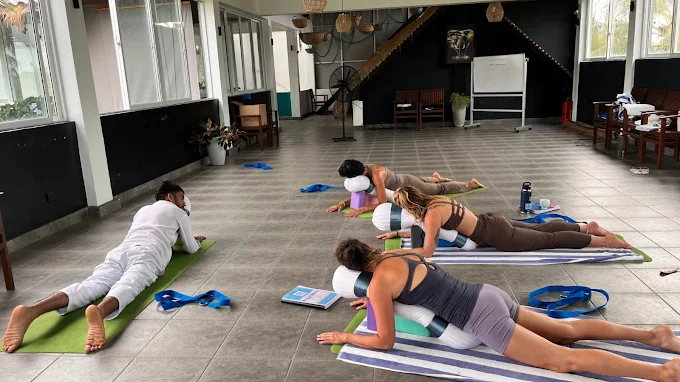
Teaching Methodology
This is where the transition from practitioner to teacher begins.
You move from:
“I can do this posture.”
to:
“I can teach this posture to another person.”
Why Practical Teaching Matters
One of the biggest differences between practicing yoga and teaching yoga is where your attention goes.
When you practice:
You watch your breath.
You feel your body.
You observe your thoughts.
When you teach:
You watch the whole room.
You listen to your students.
You choose your words.
You manage timing.
You observe alignment.
You adapt instructions.
You create a sequence.
You respond when something doesn’t go according to plan.
That is why we believe practical teaching should be an important part of a 200 Hour Yoga TTC in Sri Lanka.
You need to teach.
Then receive feedback.
Then teach again.
That is how confidence develops.
Why Choose Galle, Sri Lanka for Yoga Teacher Training?
Sri Lanka offers a very different experience from many traditional yoga destinations in India.
For international students, Galle and the southern coast of Sri Lanka can provide an immersive environment where yoga education is combined with tropical surroundings, coastal life and Sri Lankan culture.
Galle is particularly attractive to students who want:
- Yoga education in Sri Lanka
- A coastal environment
- A peaceful residential experience
- An international community
- Time for personal practice
- A change from everyday life
- The opportunity to experience Sri Lankan culture
But the location should never be the only reason you choose a teacher training.
A beautiful location cannot replace good teaching.
The education comes first.
The destination becomes part of the experience.
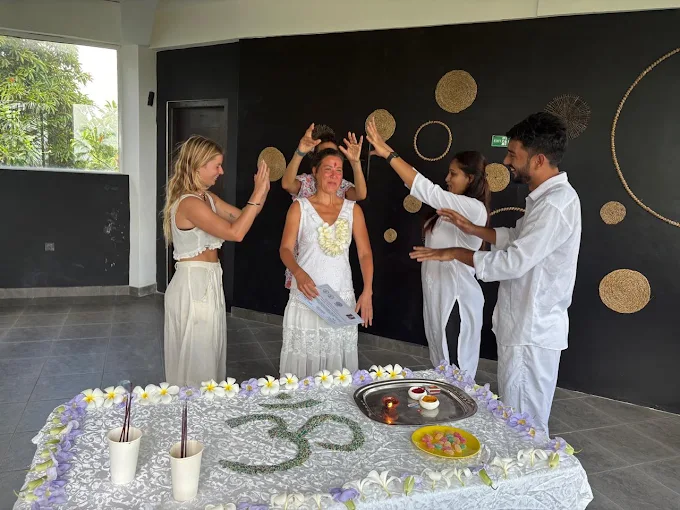
What Is Special About Studying Yoga in Galle?
Galle combines Sri Lanka’s southern coastal environment with a rich cultural setting.
For an international student, studying here can feel very different from attending a yoga course at home.
Your days become structured around:
practice → study → reflection → community → rest
Instead of rushing between work, family responsibilities and everyday commitments, you have the opportunity to create a temporary lifestyle centred around learning.
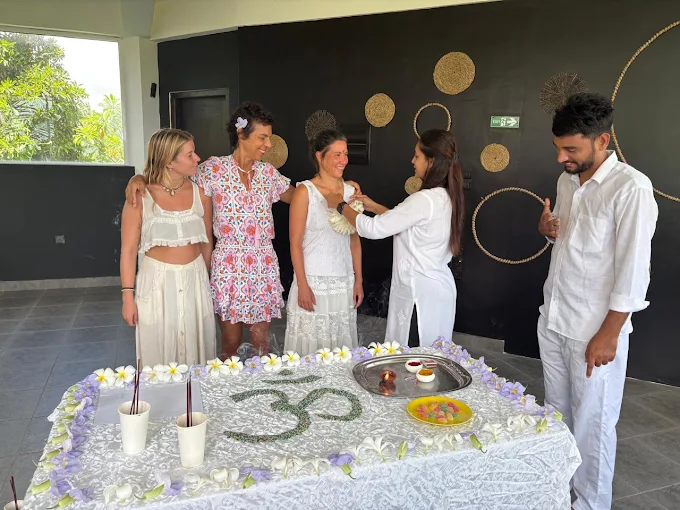
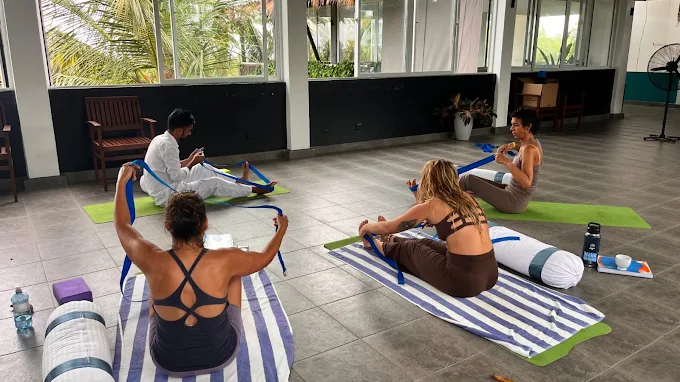
At Diksha Yoga School, our 200 Hour Yoga Teacher Training in Galle, Sri Lanka is designed as an immersive learning experience.
Students can focus on their practice while also experiencing the atmosphere and culture of southern Sri Lanka.
A Personal Perspective From Yogini Manisha
After more than 16 years of teaching and mentoring yoga students, I have learned that students arrive at teacher training with very different expectations.
Some arrive thinking they need to become more flexible.
Some think they need to learn advanced postures.
Some believe they need to memorise a large number of Sanskrit names.
And some are simply hoping to become more confident.
Very often, the most important learning happens when those expectations begin to change.
A student may discover that teaching yoga is not about performing the most advanced asana.
It is about seeing another person.
It is about understanding when to offer an alternative.
It is about finding the right words.
It is about knowing when to speak and when to allow silence.
It is about learning how to create a space where another person can practice safely.
That is the kind of transformation I want students to experience during teacher training.
Yoga teacher training is not simply about learning more poses.
It is about learning how to share the practice with awareness.
Meet Yogini Manisha, Founder of Diksha Yoga School
Yogini Manisha is the founder and lead teacher of Diksha Yoga School.
She brings more than 16 years of experience in yoga teaching, training and mentorship.
Before establishing Diksha Yoga School, she also worked for many years in yoga education and leadership, including her work with Oceanic Yoga.
Diksha Yoga School has reported training more than 23,000 students worldwide across its yoga and wellness programs.
But for us, experience is not simply a number.
It is the ability to understand that every student is different.
Some students arrive with years of yoga experience.
Others are beginning their journey.
Some want to teach professionally.
Others want to understand themselves more deeply.
A good teacher needs to meet students where they are.
That philosophy shapes the way we approach:
- Hatha Yoga
- Vinyasa Flow
- Pranayama
- Meditation
- Yoga Philosophy
- Anatomy
- Alignment
- Teaching Methodology
What Will You Study at Diksha Yoga School in Galle?
Our 200 Hour Yoga Teacher Training in Galle, Sri Lanka combines traditional yoga education with practical teacher development.
Develop a strong foundation in posture, breath, alignment and mindful movement.
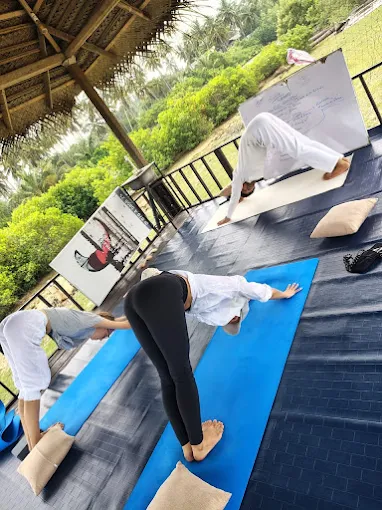
Learn how breath and movement can be connected through intelligent sequencing.
Ashtanga Foundations
Explore foundational principles of the Ashtanga approach and develop discipline within your practice.
Pranayama
Study traditional breathing techniques and develop awareness of breath and concentration.
Meditation
Explore practices for concentration, awareness and inner observation.
Study the philosophical foundations that give yoga practice a deeper context.
Anatomy & Physiology
Understand movement, the human body and individual differences.
Alignment & Adjustments
Learn how to observe students and communicate physical instructions responsibly.
Teaching Methodology
Develop skills in:
- Sequencing
- Cueing
- Demonstration
- Voice
- Class planning
- Observation
- Communication
- Teaching practice
The objective is not simply:
“I know yoga.”
It is:
“I understand enough to begin teaching yoga responsibly.”
How to Choose the Best 200 Hour Yoga Teacher Training in Sri Lanka
There are many yoga teacher training programs available in Sri Lanka.
Don’t choose only based on price.
Don’t choose simply because a website says “best.”
And don’t choose only because the photographs look beautiful.
Instead, compare the education.
| What to Compare | Why It Matters | Question to Ask |
| Yoga Alliance status | Shows the school’s registered credential | Is the school/program currently registered? |
| RYS designation | Identifies the registered training | Is this an RYS 200 program? |
| Curriculum | Determines what you actually study | Are anatomy, philosophy and teaching included? |
| Teaching practice | Builds confidence | How much supervised teaching is included? |
| Lead teachers | Experience affects mentorship | Who teaches the core subjects? |
| Class size | Influences personal feedback | How many students are in each group? |
| Assessment | Shows whether learning is evaluated | How are students assessed? |
| Accommodation | Important for residential programs | What exactly is included? |
| Meals | Important during intensive training | Are meals included? |
| Location | Shapes your experience | Where exactly is the training held? |
| Student support | Training can be challenging | Is personal guidance available? |
| Post-training options | Your education continues | What can I study after 200 hours? |
The right school is the one where the teachers, curriculum, teaching philosophy and learning environment fit your goals.
How to Verify a Yoga Alliance School in Sri Lanka
Before paying your deposit, verify the school’s current Yoga Alliance status.
Do not rely only on a Yoga Alliance logo displayed on a website.
Yoga Alliance provides an official school directory where students can search registered schools and designations.
Ask the school:
“What is your current RYS designation?”
And:
“Is this exact 200-hour training registered under that designation?”
Those questions are much more useful than simply asking:
“Are you Yoga Alliance certified?”
The exact designation matters.
What Does the 200-Hour Certificate Mean?
Your yoga school provides a certificate confirming successful completion of the qualifying teacher-training program.
Yoga Alliance also has certificate requirements for RYT registration, including information such as the registered school’s name, training designation, completion date, trainee’s legal name and authorised signature.
It is important to understand the distinction:
Your training certificate confirms your completed education.
RYT 200 is the individual Yoga Alliance teacher credential that an eligible graduate can pursue through the registration process.
They are connected.
But they are not the same thing.
Can You Become an RYT 200 After 200-Hour Yoga Teacher Training?
If you successfully complete a qualifying 200-hour training with a Yoga Alliance Registered Yoga School, you can pursue the RYT 200 credential through Yoga Alliance.
The registration process requires the relevant training and documentation.
The journey can be understood as:
Choose a qualifying RYS 200 program
↓
Complete the training
↓
Receive your completion certificate
↓
Submit the required documentation
↓
Pursue RYT 200 registration
It is not simply:
Pay for a course → automatically become RYT 200
Does RYT 200 Guarantee a Yoga Teaching Job?
No.
We believe students deserve an honest answer.
A Yoga Alliance credential can support your professional pathway, but it does not guarantee:
- Employment
- Private clients
- Income
- Studio work
- Retreat teaching
- International teaching opportunities
Your future as a teacher will also depend on:
- Teaching ability
- Communication
- Confidence
- Experience
- Professionalism
- Networking
- Continuing education
- Specialisation
- Your ability to connect with students
The certificate can be an important step.
Your development as a teacher continues long after graduation.
Can Beginners Join a 200 Hour Yoga Teacher Training in Galle?
Yes.
A beginner does not need to be able to perform advanced yoga postures before joining a teacher-training program.
You do not need:
- A handstand
- Deep backbends
- Extreme flexibility
- Years of yoga experience
What you do need is:
- Curiosity
- Consistency
- Commitment
- Willingness to learn
- Openness to feedback
- Respect for the practice
- Readiness for an intensive learning environment
In our experience, flexibility is not what makes someone a good yoga teacher.
The ability to observe, understand, communicate and adapt matters much more.
Is a 200-Hour Yoga Teacher Training Enough?
It can give you a strong foundation.
But 200 hours cannot teach you everything there is to know about yoga.
And it should not try to pretend that it can.
After your training, you will continue learning through:
- Teaching
- Personal practice
- Mentorship
- Student feedback
- Continuing education
- Workshops
- Advanced teacher training
- Real-life experience
The first 200 hours are a beginning.
They are not the finish line.
How Long Is a 200 Hour Yoga Teacher Training in Galle?
The length of a 200-hour course varies from school to school.
Some programs are residential and intensive.
Others spread their curriculum over a longer period.
At Diksha Yoga School, the current Galle program is designed as an immersive residential training.
When comparing courses, don’t ask only:
“How many days is the course?”
Also ask:
- How are the 200 hours structured?
- How many instructional hours are included?
- What subjects are taught?
- How much teaching practice is included?
- How are students assessed?
- What is included in the accommodation package?
The number of calendar days is only one part of the picture.
How Much Does 200 Hour Yoga Teacher Training in Sri Lanka Cost?
There is no universal price.
The total cost can depend on:
- School
- Teachers
- Accommodation
- Private or shared room
- Meals
- Course duration
- Group size
- Location
- Facilities
- Training materials
- Excursions
- Transfers
This is why comparing only the headline course price can be misleading.
One program may appear cheaper but exclude accommodation.
Another may include meals.
Another may have larger groups.
Another may provide more personal feedback.
Instead of asking:
“Which is the cheapest Yoga Teacher Training in Sri Lanka?”
ask:
“What am I receiving for the complete cost of the program?”
Galle vs Goa for Yoga Teacher Training
Students sometimes compare Sri Lanka and Goa before booking.
Both can offer an excellent environment, but they feel very different.
| Galle, Sri Lanka | Goa, India |
| Southern Sri Lankan coastal environment | Indian coastal environment |
| Sri Lankan cultural experience | Indian cultural and yoga traditions |
| Tropical surroundings | Tropical surroundings |
| International wellness community | Large international yoga community |
| Residential retreat environment | Wide range of yoga schools and retreats |
| Sri Lankan food and culture | Indian food and culture |
| Coastal learning experience | Coastal learning experience |
There is no universally better destination.
It depends on what you want from your teacher training.
If you want to combine yoga education with the experience of living in southern Sri Lanka, Galle can be a beautiful place to begin.
If you want a deeper immersion into India’s traditional yoga environment, Goa or other Indian destinations may suit you better.
The right destination is the one that matches your intention.
What Happens After Your 200 Hours?
For some students, graduation is the beginning of teaching.
For others, it is the beginning of deeper personal practice.
Some graduates continue into:
- Private yoga teaching
- Studio teaching
- Retreat teaching
- Wellness programs
- Continuing education
- Advanced yoga teacher training
Others simply take what they have learned back into their everyday lives.
There is no single correct reason to study yoga.
Your 200 hours can become whatever the next stage of your journey requires.
Why Diksha Yoga School?
At Diksha Yoga School, we don’t want students to leave a 200 Hour Yoga Teacher Training in Galle knowing only more postures.
We want them to understand yoga more deeply.
Our approach connects:
Vinyasa Flow
Ashtanga Foundations
Meditation
Anatomy & Physiology
Teaching Methodology
Practical Teaching
The subjects are connected.
A posture connects with anatomy.
Breath connects with movement.
Philosophy connects with practice.
Practice connects with teaching.
Teaching connects with understanding people.
That is what we believe makes teacher training meaningful.
Why Galle, Sri Lanka?
Our Galle location is more than a backdrop for photographs.
It gives students an opportunity to step away from their normal routine and enter a more focused learning environment.
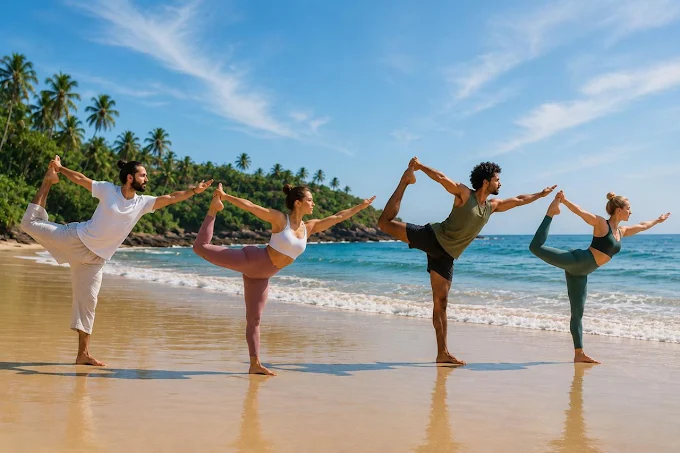
During the training, students can create a daily rhythm around:
- Morning yoga practice
- Pranayama
- Meditation
- Theory
- Teaching practice
- Personal study
- Reflection
- Community
For international students, living and studying together can become one of the most memorable parts of the journey.
But ultimately:
Come to Galle to study yoga—not simply to take a holiday.
The destination is part of the experience.
The education is the reason you are there.
What Makes a Good Yoga Teacher?
After years of teaching, we don’t believe the answer is flexibility.
It is not how many advanced postures you can perform.
It is not how impressive your social media photographs are.
A good yoga teacher learns to:
Observe.
Listen.
Communicate.
Adapt.
Teach responsibly.
Continue learning.
Respect the tradition.
Meet students where they are.
Those qualities matter far beyond the certificate.
10 Questions to Ask Before Booking a Yoga Teacher Training in Galle
Before paying a deposit, ask:
1. Is the school currently registered with Yoga Alliance?
Verify it through the official directory.
2. What is the school’s RYS designation?
Ask specifically about the 200-hour program.
3. Is this exact program registered?
Don’t assume every program offered by a school has the same designation.
4. Who are the lead teachers?
Research their actual teaching experience.
5. How much teaching practice is included?
You need opportunities to teach, not simply watch.
6. How are students assessed?
Assessment is an important part of a serious teacher-training program.
7. How large is the group?
Ask how much individual feedback students receive.
8. What does the price include?
Ask about accommodation, meals, materials, transfers and other inclusions.
9. Where exactly is the training located?
For this program, the location is Galle, Sri Lanka.
10. What happens after graduation?
Ask about further education and your next possible step.
The Most Important Question
Before choosing a school, ask yourself:
“What kind of yoga teacher do I want to become?”
Not:
“Which course has the cheapest price?”
Not:
“Which school has the most beautiful photographs?”
Not:
“Which school says it is the best?”
Instead:
“What kind of teacher will these 200 hours help me become?”
That question can change the way you compare every school.
Final Thoughts: Is a 200 Hour Yoga Teacher Training in Galle Right for You?
If you are looking for a 200 Hour Yoga Teacher Training in Galle, Sri Lanka, take your time before choosing.
Check the school’s credentials.
Research the teachers.
Read the curriculum.
Ask about teaching practice.
Understand the accommodation.
Check what is included in the price.
And think about what you want from the experience.
A 200-hour yoga teacher training should not simply give you another certificate to put in a folder.
It should give you:
knowledge
practice
experience
confidence
self-awareness
and a foundation from which you can continue learning.
At Diksha Yoga School, our intention is to help students develop those foundations while experiencing an immersive yoga journey in Galle, Sri Lanka.
Because the certificate is only one part of the story.
The teacher you become is the part that stays with you.
Frequently Asked Questions
What is a 200 Hour Yoga Teacher Training?
A 200-hour yoga teacher training is a foundational yoga education program covering areas such as yoga practice, anatomy, philosophy, pranayama, meditation and teaching methodology.
Can beginners join a 200 Hour Yoga Teacher Training in Galle?
Yes. Beginners can join many 200-hour programs. Advanced flexibility or difficult yoga postures are not prerequisites for becoming a thoughtful yoga teacher.
What does RYS 200 mean?
RYS 200 means Registered Yoga School, 200 Hours. It refers to the school’s registered 200-hour training credential.
What does RYT 200 mean?
RYT 200 means Registered Yoga Teacher 200. It refers to an individual teacher credential that an eligible graduate can pursue after qualifying training and the registration process.
Is a 200-hour certificate the same as RYT 200?
No. A school certificate confirms completion of the qualifying training. RYT 200 is the individual teacher credential obtained through the applicable Yoga Alliance registration process.
Can I become an RYT 200 after completing a 200-hour yoga teacher training?
If the program is qualifying and offered through a Yoga Alliance Registered Yoga School, a graduate can pursue the RYT 200 registration process after completing the required training and documentation.
What styles are included in the Diksha Yoga School program?
The program combines Hatha Yoga, Vinyasa Flow, Ashtanga foundations, pranayama, meditation, yoga philosophy, anatomy, alignment and teaching methodology.
Where is the yoga teacher training located?
The program is located in Galle, Sri Lanka, in the southern part of the country.
How long is the 200-hour yoga teacher training?
The duration varies by program. Diksha Yoga School’s current Galle program is structured as an immersive residential teacher-training experience.
How much does 200 Hour Yoga Teacher Training in Sri Lanka cost?
Prices vary depending on the school, accommodation, meals, group size, course structure and inclusions. Compare the complete package rather than only the tuition price.
Does RYT 200 guarantee a teaching job?
No. A Yoga Alliance credential does not guarantee employment, clients or income. Teaching ability, experience, communication and continued education remain important.
How do I verify a Yoga Alliance school?
Use the official Yoga Alliance school directory and verify the school’s current designation before booking.
Is Galle a good place for yoga teacher training?
Galle offers a southern Sri Lankan coastal environment, cultural experiences and an immersive setting that can suit students looking for residential yoga education outside their normal routine.
About the Author
Founder & Lead Teacher, Diksha Yoga School
Yogini Manisha is the founder and lead teacher of Diksha Yoga School, with more than 16 years of experience in yoga teaching, training and mentorship.
Her teaching combines traditional yogic knowledge with practical approaches to:
- Hatha Yoga
- Vinyasa Flow
- Pranayama
- Meditation
- Yoga Philosophy
- Anatomy
- Alignment
- Teaching Methodology
Through Diksha Yoga School, she has guided a large international community of yoga practitioners and teachers, with the school reporting more than 23,000 students trained worldwide.
Her teaching philosophy is rooted in a simple idea:
Yoga is not only something you perform with your body. It is something you learn to understand, experience and eventually share with awareness.
Begin Your 200 Hour Yoga Teacher Training in Galle, Sri Lanka
If you are looking for a Yoga Alliance Yoga Teacher Training in Sri Lanka or a 200 Hour Yoga Teacher Training in Galle, take your time choosing your school.
Check the credentials.
Research the teachers.
Read the curriculum.
Ask about practical teaching.
Understand what is included.
And most importantly, choose a school where education comes before the certificate.
At Diksha Yoga School, we welcome students who want to go beyond learning postures and begin developing the understanding, awareness and practical skills needed to continue their journey as yoga teachers.
Your 200 hours are not the end of your yoga journey.
They are where the next chapter begins.