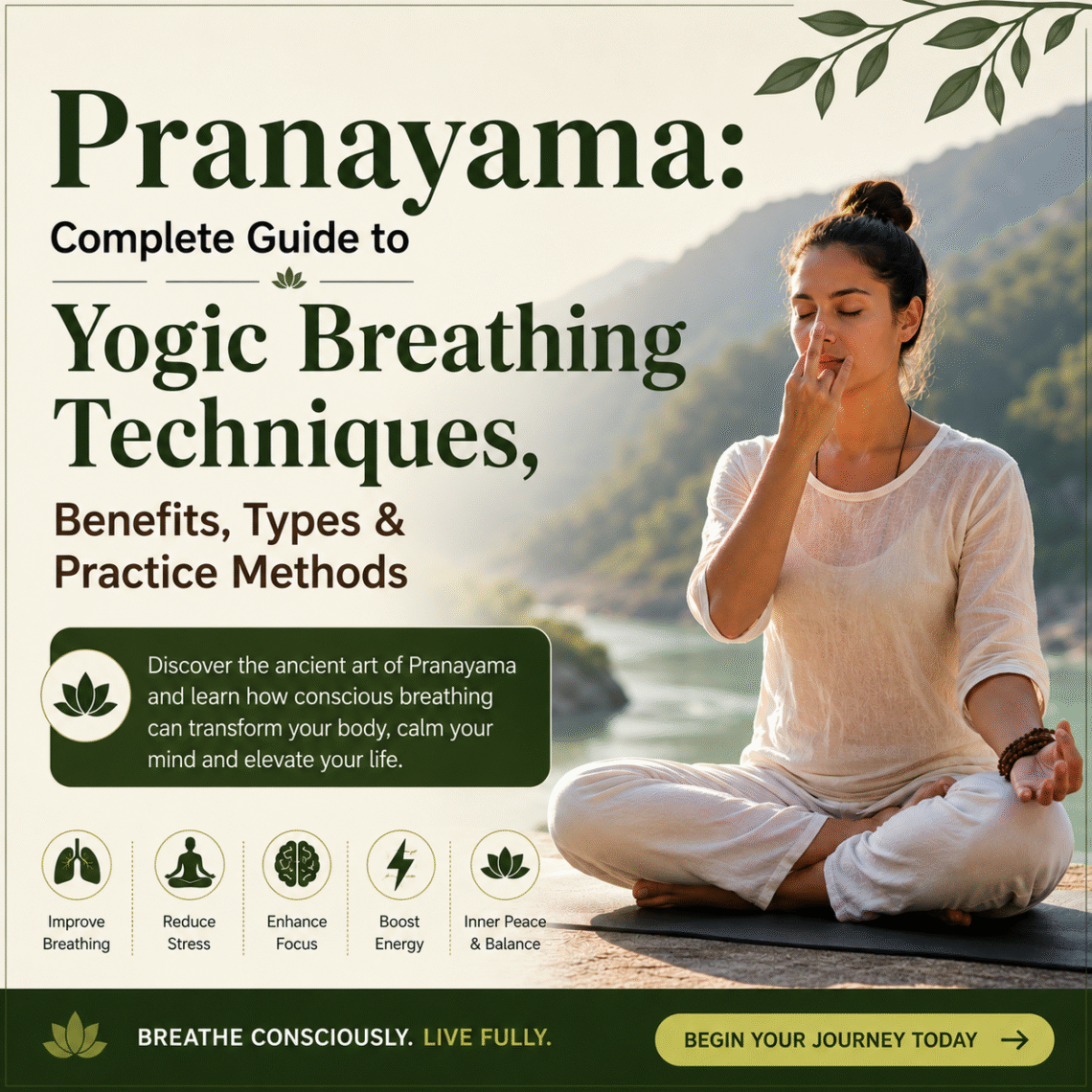
Introduction: Understanding the Power of Breath
Powerful Pranayama Techniques Breathing is the most natural process of life. From the moment we are born until our final moment, the breath continues without stopping. Yet, most people rarely pay attention to this simple and powerful connection between breathing, body, and mind.
In yoga, breath is considered much more than just a physical function. The ancient yogis understood that the way we breathe influences our energy, emotions, concentration, and overall state of awareness.
This is where Powerful Pranayama Techniques begins.
Powerful Pranayama Techniques is the traditional yogic practice of consciously regulating and expanding the breath. Through specific breathing techniques, practitioners learn how to create balance between the body and mind, calm the nervous system, improve awareness, and prepare themselves for deeper practices of meditation.
If you want to study pranayama in its traditional form, explore our 200 Hour Yoga Teacher Training in Goa, where pranayama, meditation, yoga philosophy, anatomy, and Hatha Yoga are taught as an integrated practice. Powerful Pranayama Techniques
Whether you are completely new to yoga or an experienced practitioner, pranayama offers a path to develop a deeper connection with yourself.
Table of Contents
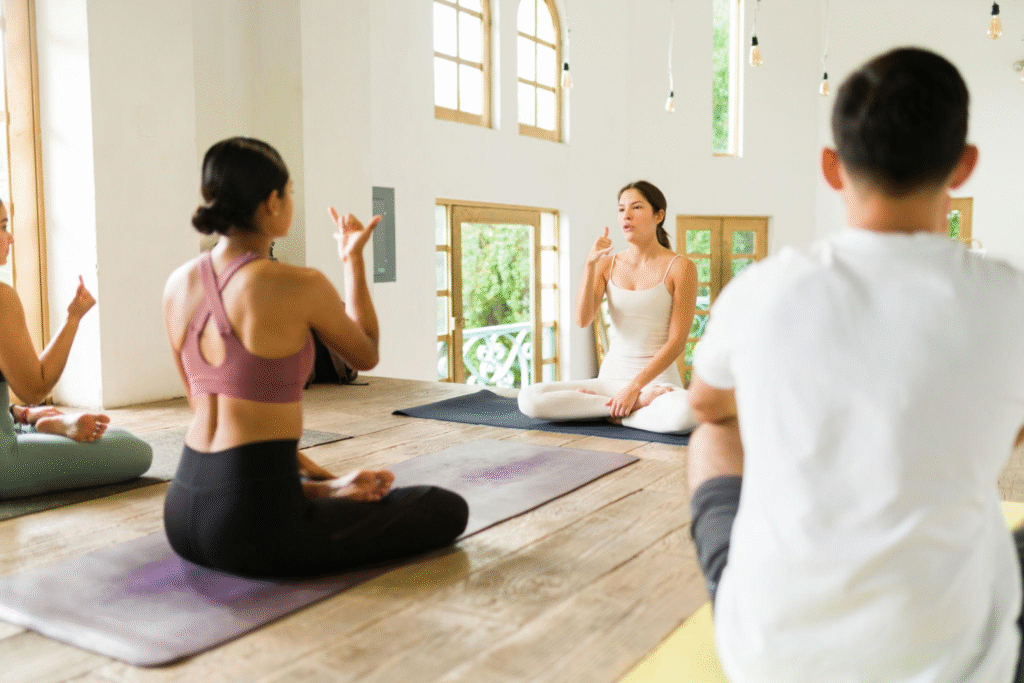
What Is Pranayama?
The word Pranayama comes from two Sanskrit words:
- Prana – life force energy or vital energy
- Ayama – expansion, extension, or regulation
Together, Powerful Pranayama Techniques means the expansion and regulation of life energy through conscious breathing practices.
Many people understand Powerful Pranayama Techniques simply as “breathing exercises,” but the traditional meaning is much deeper. In yoga philosophy, breath is considered the bridge between the physical body and the inner mind.
Breath awareness is one of the foundations of traditional Hatha Yoga, where every movement is synchronised with conscious breathing.
When the breath is disturbed, the mind often becomes restless. When the breath becomes calm and steady, the mind naturally moves toward peace and concentration.
Through Powerful Pranayama Techniques practice, we learn to:
- Become aware of our breathing patterns
- Develop control over the breath
- Improve concentration
- Calm mental fluctuations
- Prepare the body for meditation
Origin and History of Powerful Pranayama Techniques: Understanding the Ancient Yogic Tradition
Powerful Pranayama Techniques is not a modern breathing technique created for relaxation. It is an ancient yogic practice that has been developed and refined over thousands of years through the wisdom of yoga traditions.
The ancient yogis understood that the breath is closely connected with the body, mind, and subtle energy. Through observation and meditation, they discovered that conscious breathing could influence physical stability, mental clarity, and deeper states of awareness.
In traditional yoga, pranayama was not practiced separately as a simple breathing exercise. It was considered an important step in preparing the practitioner for meditation and higher states of consciousness.
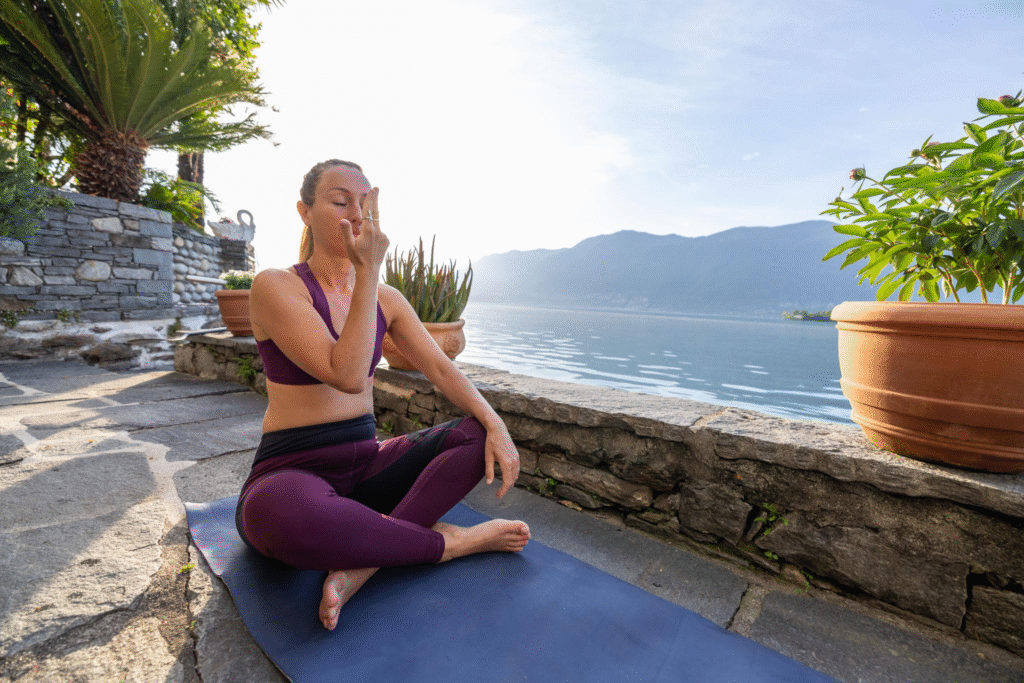
Pranayama in Ancient Yoga Texts
The teachings of pranayama have been preserved through several important classical yoga texts.
Pranayama in the Yoga Sutras of Patanjali
Sage Patanjali describes Powerful Pranayama Techniques as the fourth limb of Ashtanga Yoga in the Yoga Sutras.
After Yama, Niyama, and Asana, Powerful Pranayama Techniques becomes the practice that helps refine the connection between the body and mind.
Patanjali explains that through Powerful Pranayama Techniques, the practitioner develops greater control over the movement of breath and prepares the mind for deeper concentration and meditation.
The purpose of Powerful Pranayama Techniques in this tradition is not only better breathing, but creating inner steadiness and awareness.
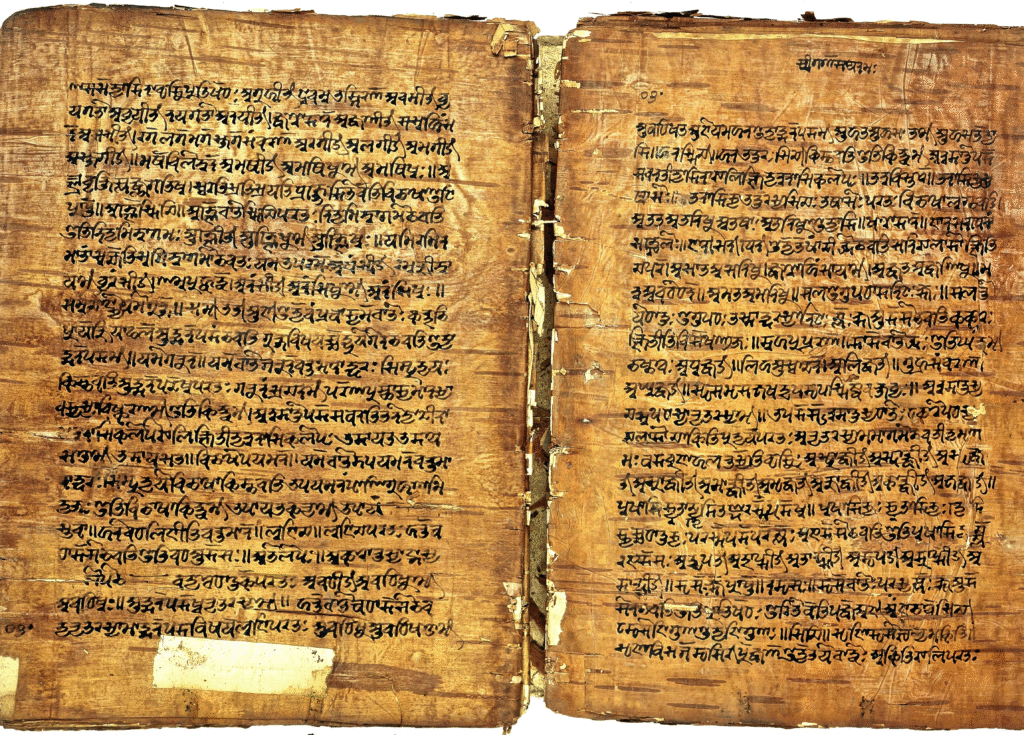
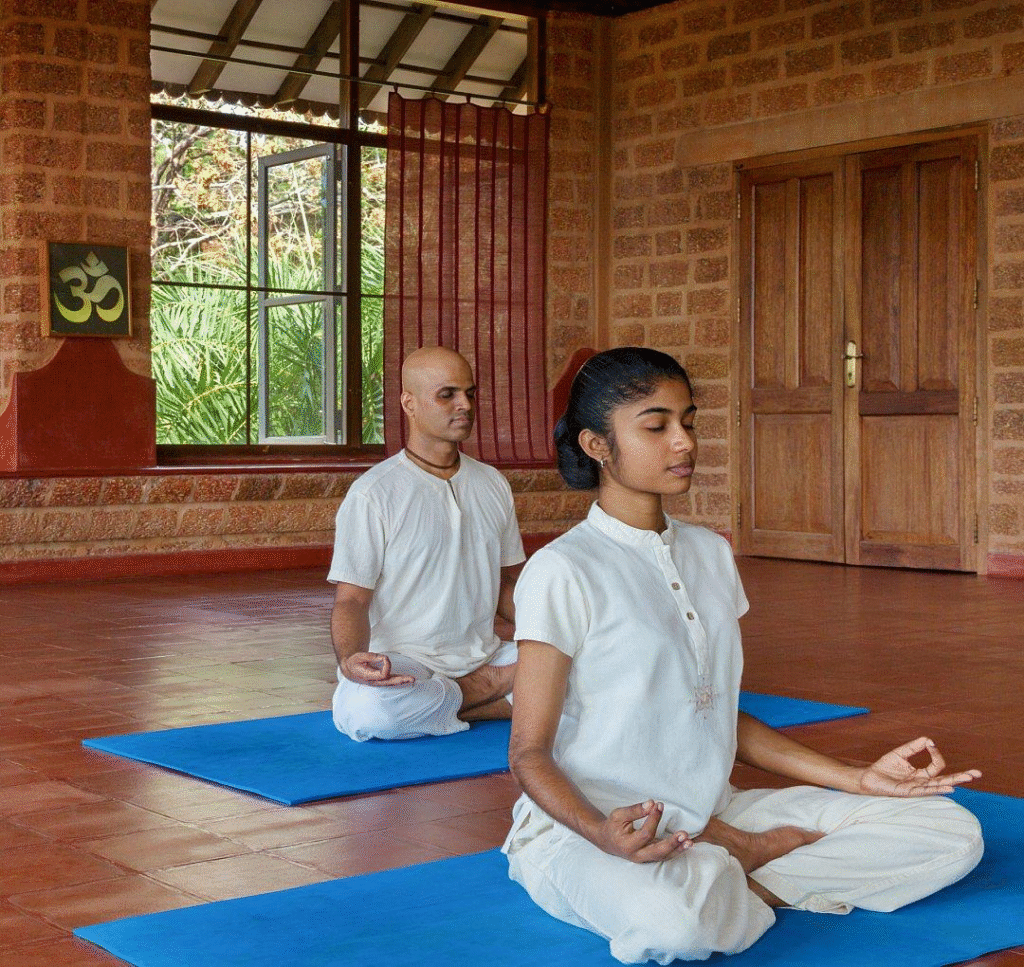
Pranayama in the Hatha Yoga Pradipika
One of the most influential texts on Hatha Yoga is the Hatha Yoga Pradipika, written by the yogi Swami Swatmarama around the 15th century.
This classical text gives detailed teachings about:
Pranayama techniques
Breath regulation
Purification practices
The relationship between breath and energy
The Hatha Yoga tradition explains that controlling the breath helps calm the fluctuations of the mind.
According to this approach, when the breath becomes steady, the mind naturally becomes more peaceful and focused.
These teachings continue to guide the Powerful Pranayama Techniques curriculum in our Hatha Yoga Teacher Training Course.
Pranayama in the Gheranda Samhita
Another important traditional text, the Gheranda Samhita, describes yoga as a complete system of purification, strengthening, and inner development.
It explains different aspects of yogic practice, including:
Physical purification
Asana practice
Pranayama
Meditation
Higher states of awareness
The text presents Powerful Pranayama Techniques as a method to refine the vital energy and prepare the practitioner for deeper yogic experiences.
How Ancient Yogis Developed Pranayama Practices
Ancient yogis did not develop Powerful Pranayama Techniques by simply creating breathing exercises. Their understanding came through deep observation of the relationship between breath, body, and consciousness.
Through meditation and disciplined practice, they observed that:
Fast breathing was often connected with agitation and restlessness.
Slow, controlled breathing encouraged calmness and stability.
Conscious breathing created greater awareness of thoughts and emotions.
Over generations, these observations developed into the structured Powerful Pranayama Techniques practiced today.
The Traditional Purpose of Pranayama
In modern times, Powerful Pranayama Techniques is often introduced as a method for relaxation and stress management. While these benefits are valuable, the traditional purpose of pranayama goes deeper.
In the yogic tradition, pranayama aims to:
Develop awareness of the life force (Prana)
Balance body and mind
Prepare the practitioner for meditation
Increase concentration and inner stability
Create a deeper connection with oneself
Powerful Pranayama Techniques teaches us that the breath is not only a physical process. It is a pathway toward greater awareness.
Pranayama in Modern Yoga Practice
Today, Powerful Pranayama Techniques continues to be an essential part of authentic yoga practice around the world.
From traditional Hatha Yoga schools to modern yoga teacher training programs, Powerful Pranayama Techniques remains an important foundation alongside:
Asana practice
Meditation
Yoga philosophy
Self-awareness
At Diksha Yoga School, we continue this traditional approach by teaching Powerful Pranayama Techniques as a practice of awareness, discipline, and connection between body, breath, and mind.
The Importance of Breath in Yoga
In normal daily life, breathing usually happens automatically. We breathe while working, talking, walking, and sleeping without conscious attention.
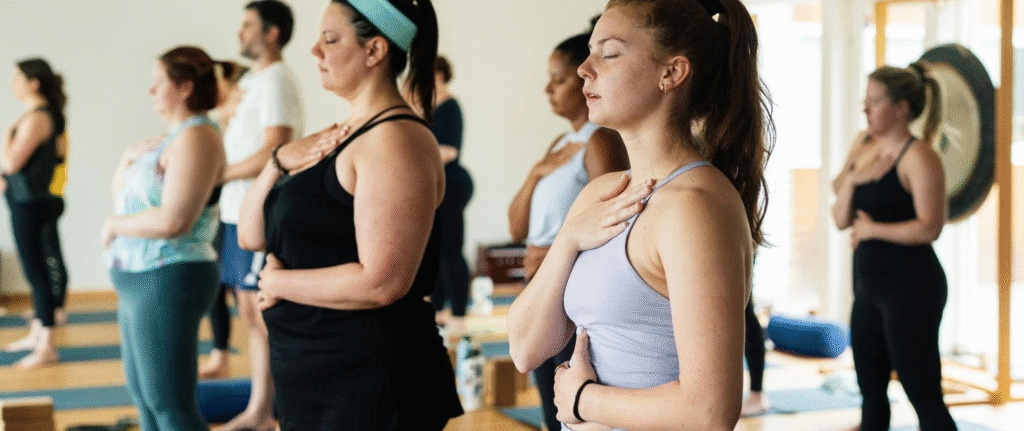
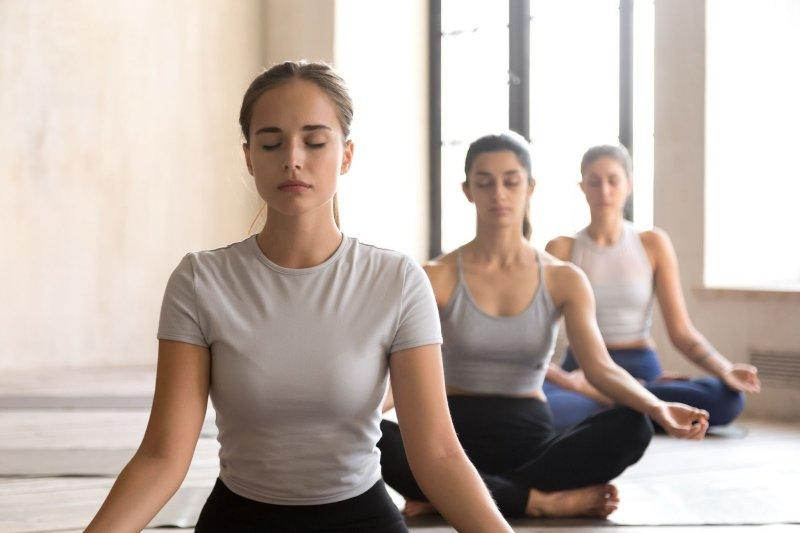
However, our breathing patterns are often affected by:
- Stress
- Emotional changes
- Poor posture
- Busy lifestyles
- Physical tension
Many people breathe quickly and shallowly without realizing it.
Yoga teaches us to return to a more balanced and mindful relationship with our breath.
A steady breath can help create:
Physical Balance
Conscious breathing supports better oxygen exchange, relaxation of muscles, and awareness of the body.
Mental Calmness
Slow and controlled breathing can help reduce mental restlessness and improve focus.
Emotional Stability
Breath awareness helps us observe emotions without immediately reacting to them.
Spiritual Awareness
Traditional yoga considers Powerful Pranayama Techniques an important preparation for meditation and deeper self-awareness.
Pranayama in the Eight Limbs of Yoga
Powerful Pranayama Techniques is an important part of the traditional yoga path described by Sage Patanjali in the Yoga Sutras.
The eight limbs of yoga are:
1. Yama – Ethical principles
2. Niyama – Personal discipline
3. Asana – Physical postures
4. Pranayama – Regulation of life force through breath
5. Pratyahara – Withdrawal of senses
6. Dharana – Concentration
7. Dhyana – Meditation
8. Samadhi – Deep absorption
Powerful Pranayama Techniques comes after asana because the body should first become stable and comfortable before practicing deeper breath control.
A steady body supports a steady breath, and a steady breath supports a steady mind.
If you’d like to study all eight limbs in depth, our Yoga Teacher Training Courses cover Patanjali’s philosophy alongside daily practical training.
How Does Pranayama Work?
Powerful Pranayama Techniques works through the relationship between breathing, the nervous system, and mental awareness.
When we consciously slow and regulate the breath:
- The body receives signals of relaxation
- The mind becomes more focused
- Physical tension begins to release
- Awareness becomes sharper
Different Powerful Pranayama Techniques techniques create different effects.
For example:
- Cooling Powerful Pranayama Techniques practices can create calmness
- Energizing techniques can increase alertness
- Balancing techniques can create mental stability
This is why Powerful Pranayama Techniques should be practiced with understanding rather than simply copying techniques.
Benefits of Pranayama
Regular Powerful Pranayama Techniques practice can support many aspects of health and well-being.
1. Improves Breath Awareness
Many people are unaware of their breathing habits. Powerful Pranayama Techniques teaches us to observe and improve the quality of our breath.
2. Reduces Stress and Mental Tension
Slow breathing practices help create a calmer internal state and encourage relaxation.
3. Improves Concentration
A steady breath helps train the mind to remain focused and present.
4. Supports Emotional Balance
Powerful Pranayama Techniques creates space between thoughts and reactions, helping practitioners develop greater awareness.
5. Enhances Meditation Practice
A calm breath naturally prepares the mind for meditation.
6. Develops Energy Awareness
Traditional yoga teaches that balanced breathing helps regulate pranic energy throughout the body.
Many of these breathing practices are combined with meditation and yoga postures during our immersive Yoga Retreats, allowing students to experience their effects in a peaceful environment.
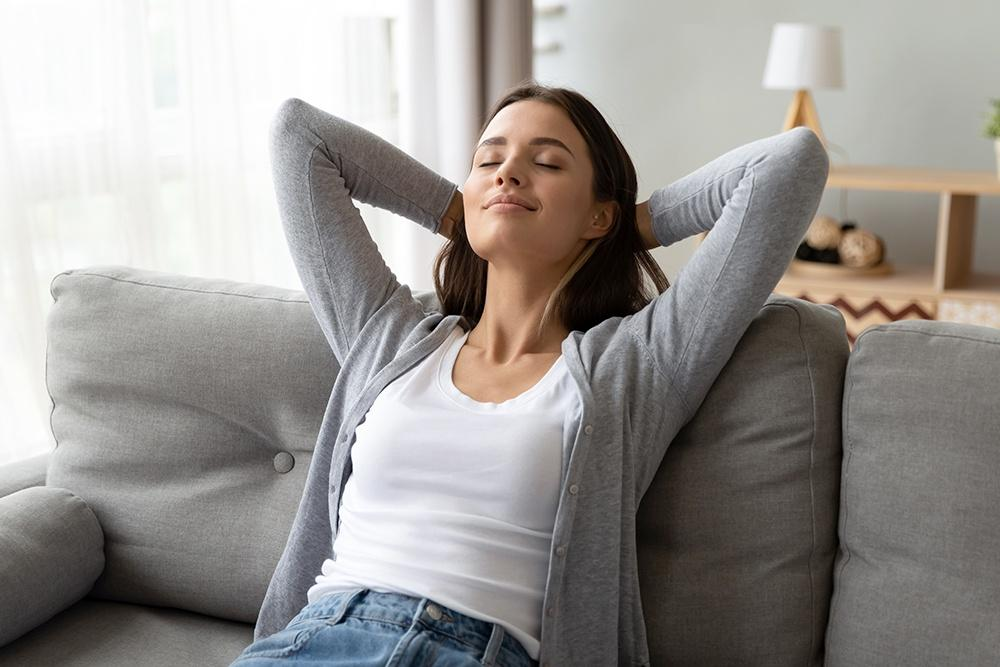
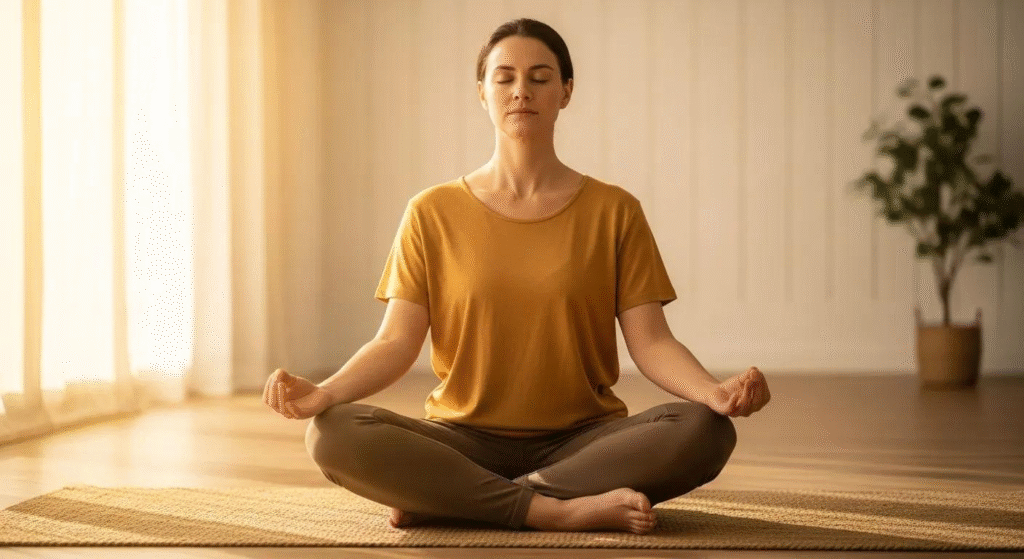
The Science Behind Pranayama: How Breath Affects the Body and Mind
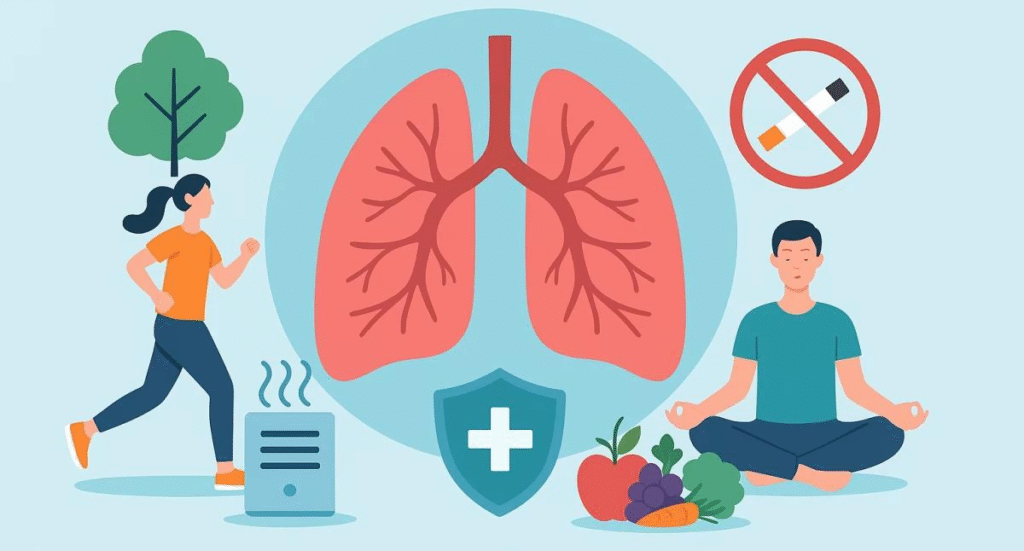
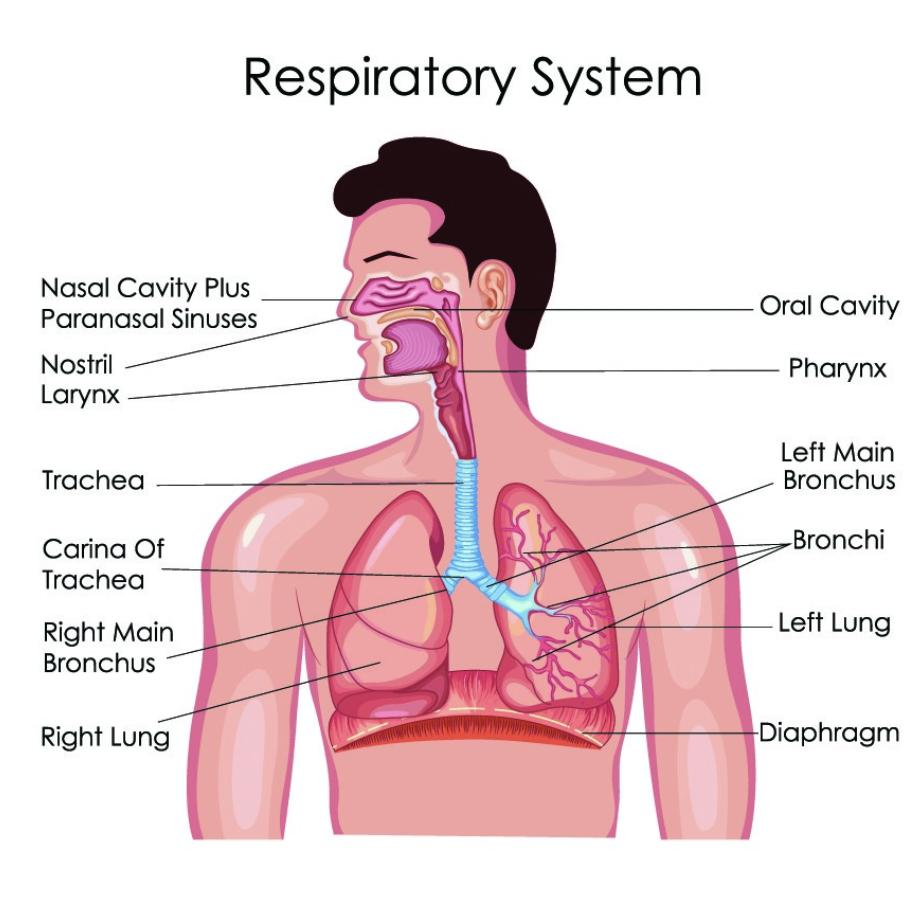
Powerful Pranayama Techniques is an ancient yogic practice, but its effects can also be understood through modern science. The way we breathe influences many systems within the body, including the nervous system, heart rate, stress response, and emotional state.
Modern research continues to explore how conscious breathing practices can support relaxation, focus, and overall well-being.
The ancient yogis observed this connection thousands of years ago through deep self-awareness and meditation. Today, science helps us understand some of the physical and psychological mechanisms behind these practices.
Pranayama and the Nervous System
The nervous system plays an important role in how we respond to daily experiences.
When we experience stress, the body can enter a state of alertness. Breathing often becomes faster and more shallow during these moments.
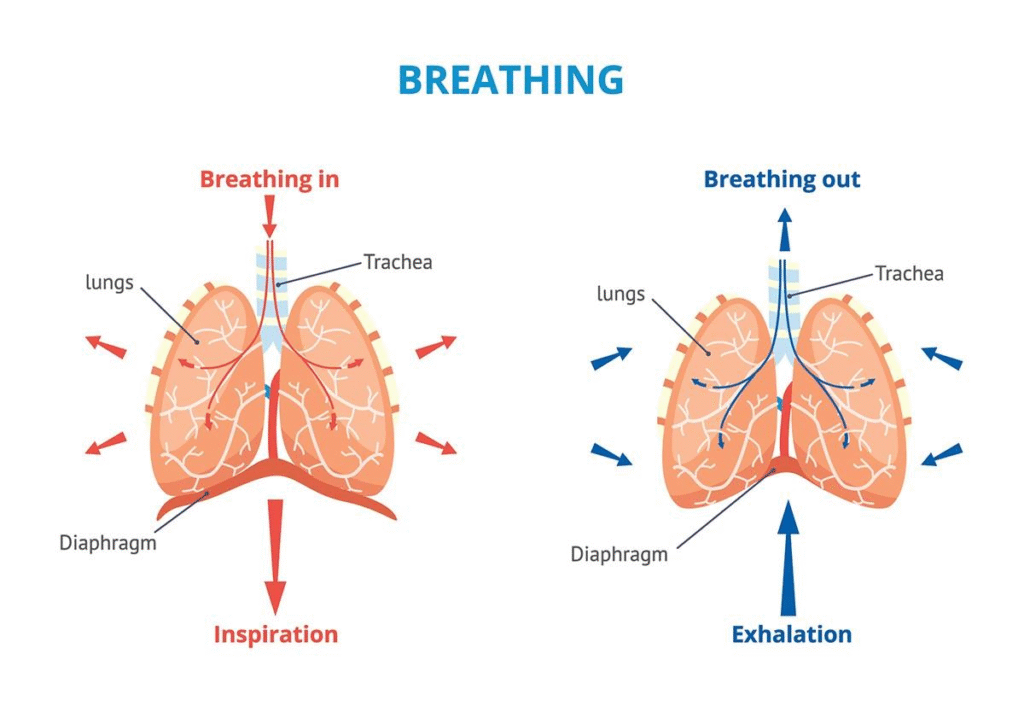
Conscious breathing practices like Powerful Pranayama Techniques encourage slower and more controlled breathing, which can send signals of calmness to the body.
Through regular practice, Powerful Pranayama Techniques helps develop greater awareness of the relationship between:
- Breath
- Thoughts
- Emotions
- Physical sensations
This awareness allows practitioners to respond to situations with more balance and clarity.
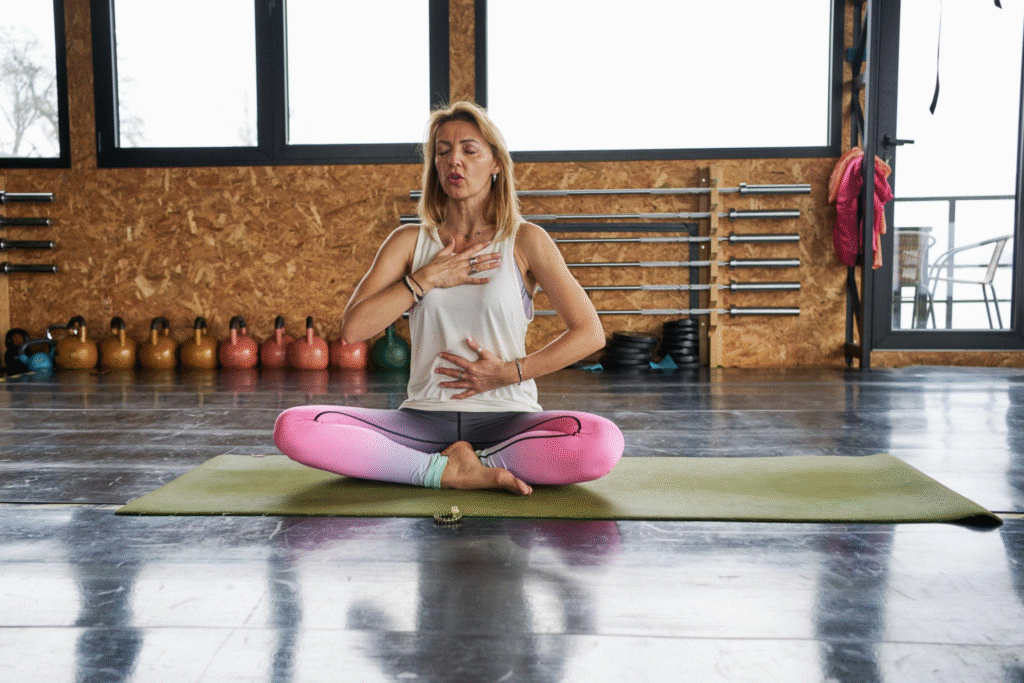
Pranayama and the Parasympathetic Nervous System
The body has two important branches of the autonomic nervous system:
Sympathetic Nervous System
Often associated with the body’s stress response, sometimes described as “fight or flight.”
It becomes more active during:
- Pressure
- Fear
- Physical stress
- Mental tension
Parasympathetic Nervous System
Associated with relaxation, recovery, and restoration.
Slow, mindful breathing practices can support activation of the parasympathetic response, helping the body move toward a calmer state.
This is one reason many people experience relaxation and mental quietness after practices such as:
- Nadi Shodhana
- Bhramari
- Slow diaphragmatic breathing
How Powerful Pranayama Techniques Influences Heart Rate and Breathing Rhythm
The breath and heart have a natural relationship.
When breathing becomes slow and steady, many people experience a sense of calmness throughout the body.
Practices that emphasize:
- Longer exhalation
- Smooth breathing patterns
- Relaxed awareness
can support a more balanced relationship between breath, heart rhythm, and mental state.
This is why traditional yoga places great importance on developing a steady and comfortable breath.
A steady breath creates a foundation for a steady mind.
Powerful Pranayama Techniques and the Stress Response
Modern lifestyles often involve continuous mental stimulation, busy schedules, and emotional pressure.
During stressful situations, the body naturally prepares itself to respond. Breathing patterns may change, muscles may become tense, and the mind may become more reactive.
Pranayama provides a conscious method to return attention to the present moment.
Through mindful breathing, practitioners learn to:
- Slow down reactions
- Create mental space
- Release unnecessary tension
- Develop emotional awareness
The goal of Powerful Pranayama Techniques is not to eliminate all stress, but to create a healthier relationship with life’s challenges.
The Mind-Body Connection Through Breath
One of the most beautiful aspects of Powerful Pranayama Techniques is the connection between the physical body and the mind.
Our emotional state affects our breathing.
For example:
- Anxiety may create rapid breathing
- Calmness often creates slower breathing
- Concentration creates more steady breathing
Yoga reverses this relationship by using conscious breathing to influence mental states.
By becoming aware of the breath, practitioners develop a deeper understanding of their own thoughts, emotions, and reactions.
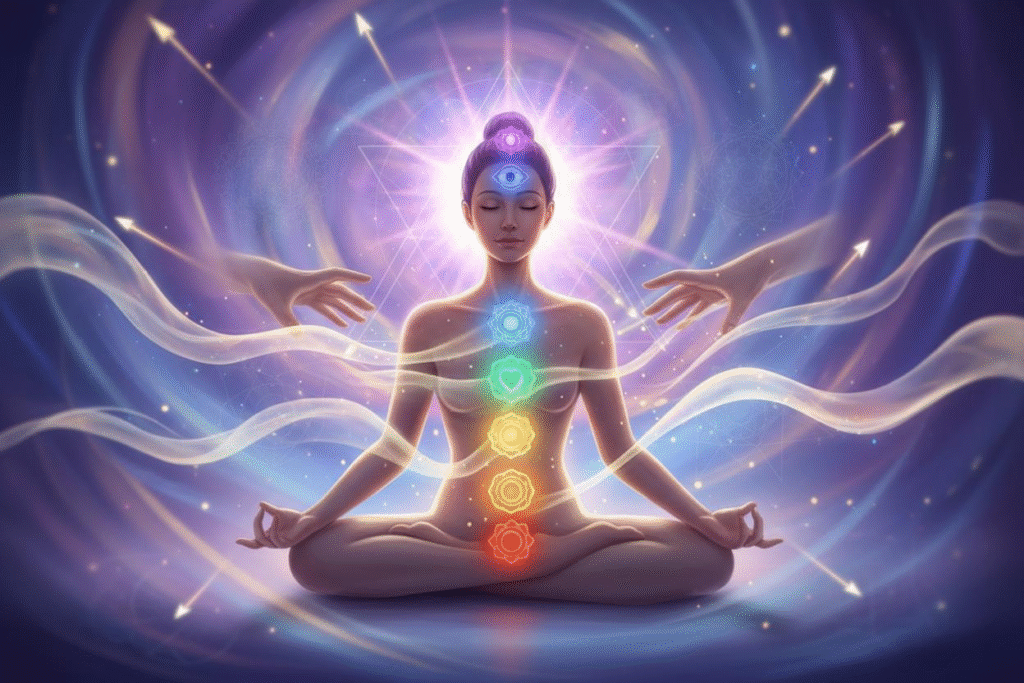
Traditional Yoga Perspective: Breath as a Bridge Between Body and Mind
In yogic philosophy, breath is connected with Prana, the vital energy that supports life.
Ancient yoga teachings explain that when prana becomes balanced, the body and mind become more harmonious.
This is why Powerful Pranayama Techniques is considered a preparation for meditation.
The practice moves through a natural progression:
Steady Body → Balanced Breath → Calm Mind → Deeper Awareness
Why Understanding the Science of Pranayama Matters
Combining traditional yoga knowledge with modern understanding helps practitioners approach Powerful Pranayama Techniques with greater awareness.
Powerful Pranayama Techniques is not simply about breathing more deeply or performing advanced techniques.
It is about:
- Developing awareness
- Creating balance
- Understanding the breath-body connection
- Supporting mental clarity
- Preparing for meditation
At Diksha Yoga School, we teach Powerful Pranayama Techniques as a complete yogic practice that combines traditional wisdom with practical understanding, helping students experience the deeper purpose behind conscious breathing.
Types of Pranayama: Traditional Yogic Breathing Techniques
There are many different types of Powerful Pranayama Techniques described in traditional yoga texts. Each technique has a specific purpose and effect on the body, breath, and mind.
A beginner should not try to practice every Powerful Pranayama Techniques immediately. It is important to first develop awareness of natural breathing, learn correct techniques, and gradually progress with proper guidance.
At Diksha Yoga School, we encourage students to understand the purpose behind each practice rather than simply performing breathing exercises mechanically. Powerful Pranayama Techniques is a practice of awareness, patience, and connection.
Pranayama Techniques Comparison: Understanding Different Breathing Practices
Different Powerful Pranayama Techniques techniques have different purposes and effects on the body, breath, and mind. Some practices are designed to create relaxation and balance, while others help develop energy, concentration, and deeper breath control.
For beginners, it is recommended to start with gentle and balancing practices before exploring more advanced techniques.
Pranayama Technique Main Purpose Practice Level
| Nadi Shodhana (Alternate Nostril Breathing) | Creates balance, calmness, and mental clarity | Beginner |
Bhramari (Humming Bee Breath) Encourages relaxation and inner awareness Beginner
Anulom Vilom Pranayama Develops breath awareness and balance Beginner
Dirga Pranayama (Three-Part Breath) Improves deep breathing and relaxation Beginner
Sheetali Pranayama Creates a cooling and calming effect Beginner
Sheetkari Pranayama Supports relaxation and breath awareness Beginner
Kapalabhati Pranayama Builds energy, purification, and breath control Intermediate
Bhastrika Pranayama Increases vitality, alertness, and respiratory strength Intermediate
Ujjayi Pranayama Develops breath control and mindful awareness Intermediate
Surya Bhedana Pranayama Creates warmth, energy, and focus Intermediate
Chandra Bhedana Pranayama Encourages calmness and cooling qualities Intermediate
| Sama Vritti Pranayama | Creates equal breathing rhythm and mental stability | Beginner–Intermediate |
Viloma Pranayama Develops awareness and control of breathing patterns Intermediate
Kumbhaka Pranayama Explores breath retention and deeper control Advanced
| Prana Mudra with Breath Awareness | Supports meditation and subtle awareness | Beginner–Intermediate |
During our Yoga Alliance-certified training, students learn not only how to practice these techniques but also when, why, and how to teach them safely.
Each Powerful Pranayama Techniques has its own unique purpose and traditional approach. A complete Powerful Pranayama Techniques practice is not about performing many techniques, but about understanding the relationship between breath, awareness, and inner balance.
Which Pranayama Should You Practice?
If you’re unsure where to begin, choosing a Powerful Pranayama Techniques based on your goal can make your practice more effective. While every breathing technique offers unique benefits, some are particularly suited for relaxation, concentration, energy, or meditation.
Your Goal Recommended Pranayama Why It’s Helpful
| Relaxation & Stress Relief | Bhramari Pranayama | Calms the nervous system and promotes inner peace. |
| Improve Focus & Concentration | Nadi Shodhana | Balances the mind and enhances mental clarity. |
| Increase Energy & Vitality | Kapalabhati | Energizes the body and improves breath awareness. |
| Cool the Body & Mind | Sheetali Pranayama | Creates a cooling, calming effect during hot weather or emotional tension. |
| Prepare for Meditation | Ujjayi Pranayama | Develops steady breathing and mindful awareness. |
| Best for Beginners | Dirga Pranayama (Three-Part Breath) | Builds a strong foundation for conscious breathing and relaxation. |
Tip: If you’re new to Powerful Pranayama Techniques, begin with Dirga Pranayama and Nadi Shodhana before progressing to more energizing or advanced techniques like Kapalabhati or Kumbhaka. Learning under the guidance of an experienced yoga teacher helps ensure correct technique and safe progression.
Beginners should first develop a steady foundation through simple breathing practices before progressing toward more advanced Powerful Pranayama Techniques methods under proper guidance.
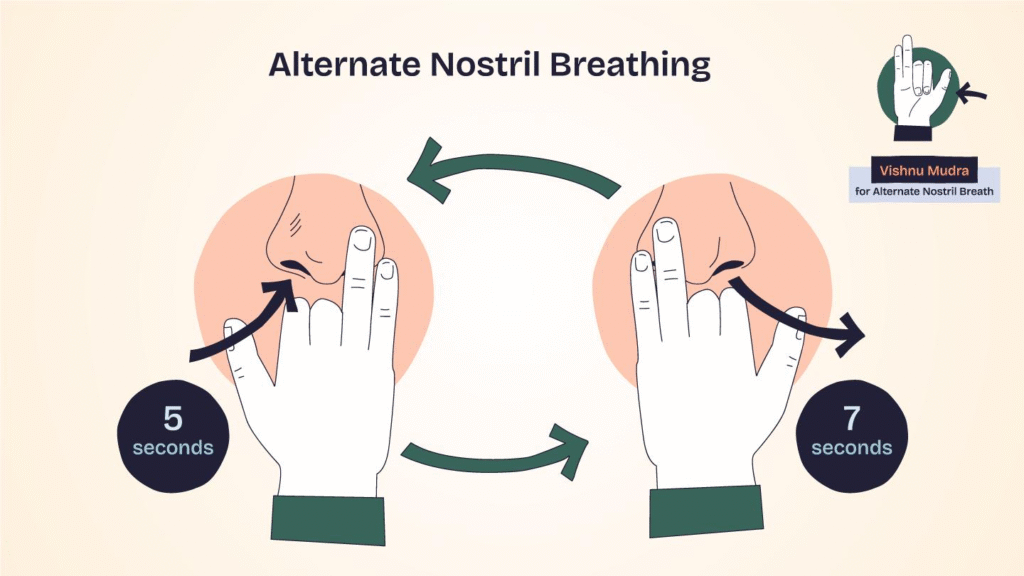
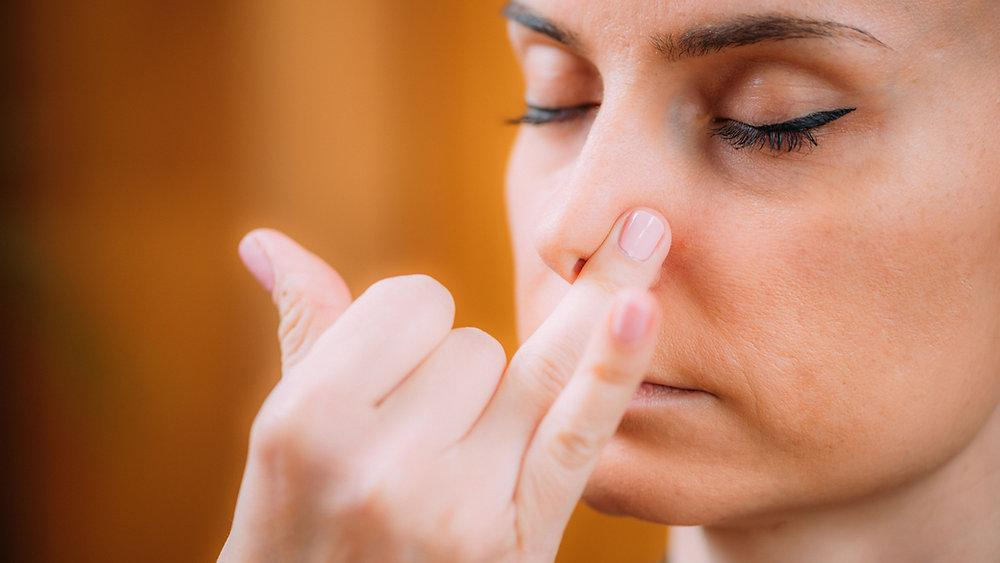
1. Nadi Shodhana Pranayama (Alternate Nostril Breathing)
Nadi Shodhana is one of the most widely practiced Powerful Pranayama Techniques in yoga traditions.
The word Nadi means energy channels, and Shodhana means purification or cleansing.
This practice involves alternating the breath between the left and right nostrils to create balance within the body and mind.
How to Practice Nadi Shodhana:
1. Sit comfortably in a meditation posture with the spine upright.
2. Relax the shoulders and close the eyes.
3. Use the right hand to gently control the nostrils.
4. Close the right nostril and inhale through the left nostril.
5. Close the left nostril and exhale through the right.
6. Inhale through the right nostril.
7. Exhale through the left nostril.
8. Continue slowly with awareness.
Benefits:
- Creates mental balance
- Improves concentration
- Encourages calm breathing
- Helps prepare the mind for meditation
Nadi Shodhana is especially suitable for beginners because it is gentle, balancing, and easy to integrate into a daily practice.
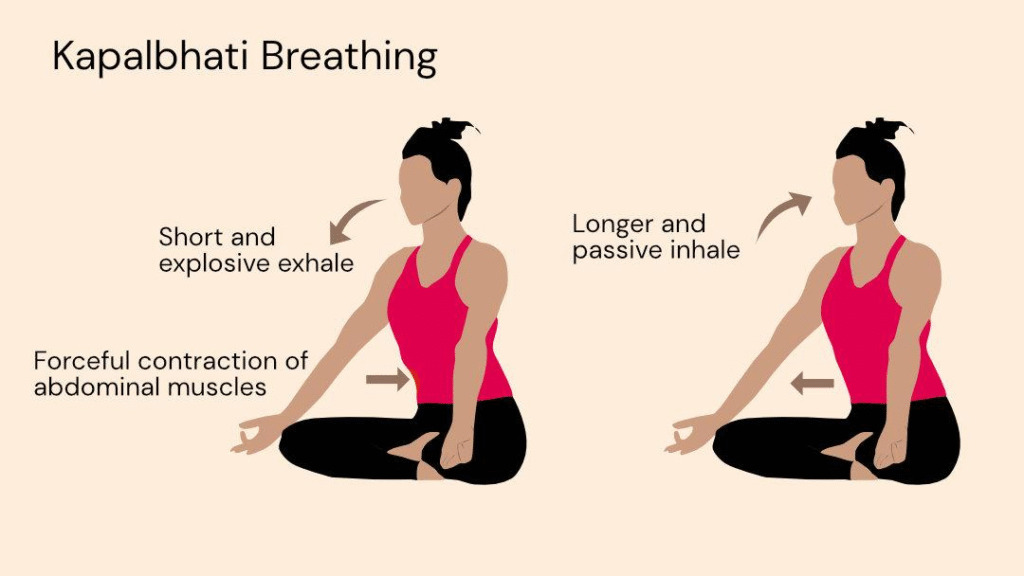
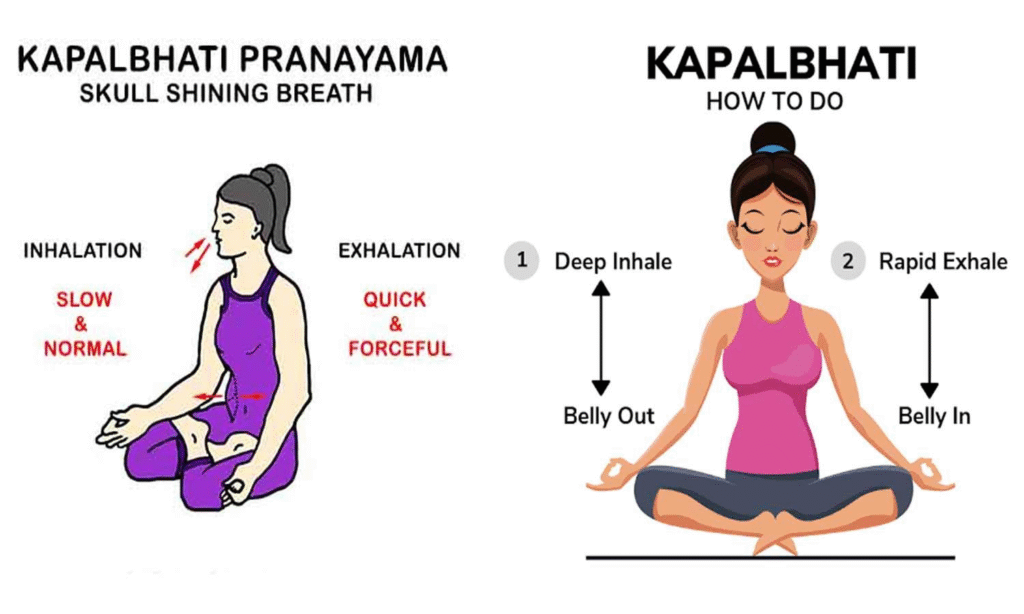
2. Kapalabhati Powerful Pranayama Techniques (Skull-Shining Breath)
Kapalabhati is a powerful breathing technique traditionally practiced for purification and energizing effects.
The word Kapala means “skull” and Bhati means “to shine.”
Unlike many Powerful Pranayama Techniques where inhalation and exhalation are equally emphasized, Kapalabhati focuses mainly on active exhalation.
How to Practice Kapalabhati:
1. Sit comfortably with a straight spine.
2. Take a natural inhalation.
3. Exhale forcefully by drawing the abdomen inward.
4. Allow the inhalation to happen naturally.
5. Repeat controlled abdominal exhalations.
Beginners should practice slowly and gradually increase duration under proper guidance.
Benefits:
- Improves breath awareness
- Strengthens respiratory muscles
- Creates energy and alertness
- Helps develop concentration
Kapalabhati is considered an intermediate practice and should be learned carefully, especially by beginners.
3. Bhastrika Pranayama (Bellows Breath)
Bhastrika means “bellows,” referring to the movement of the breath similar to a traditional bellows used to create fire.
This Powerful Pranayama Techniques is an energizing practice that involves active inhalation and exhalation.
How to Practice:
1. Sit comfortably with awareness.
2. Inhale deeply through the nose.
3. Exhale strongly through the nose.
4. Continue rhythmic breathing with control.
5. Relax after completing the round.
Benefits:
- Increases energy and vitality
- Improves breath capacity
- Creates alertness
- Builds respiratory awareness
Bhastrika should be practiced gradually because it is a more stimulating technique.
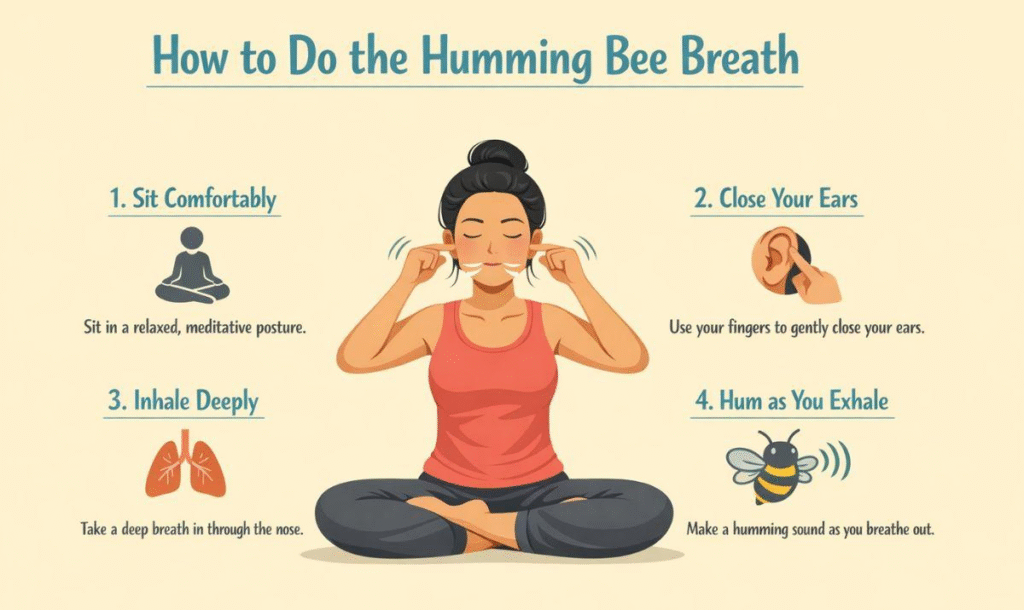
4. Bhramari Pranayama (Humming Bee Breath)
Bhramari comes from the Sanskrit word meaning “bee.”
This calming practice creates a gentle humming sound during exhalation.
How to Practice:
1. Sit comfortably and close your eyes.
2. Take a slow inhalation.
3. Exhale while creating a soft humming sound.
4. Feel the vibration throughout the body.
5. Repeat several rounds.
Benefits:
- Calms the nervous system
- Reduces mental tension
- Improves concentration
- Creates inner awareness
Bhramari is a beautiful practice for students who experience stress or mental restlessness.
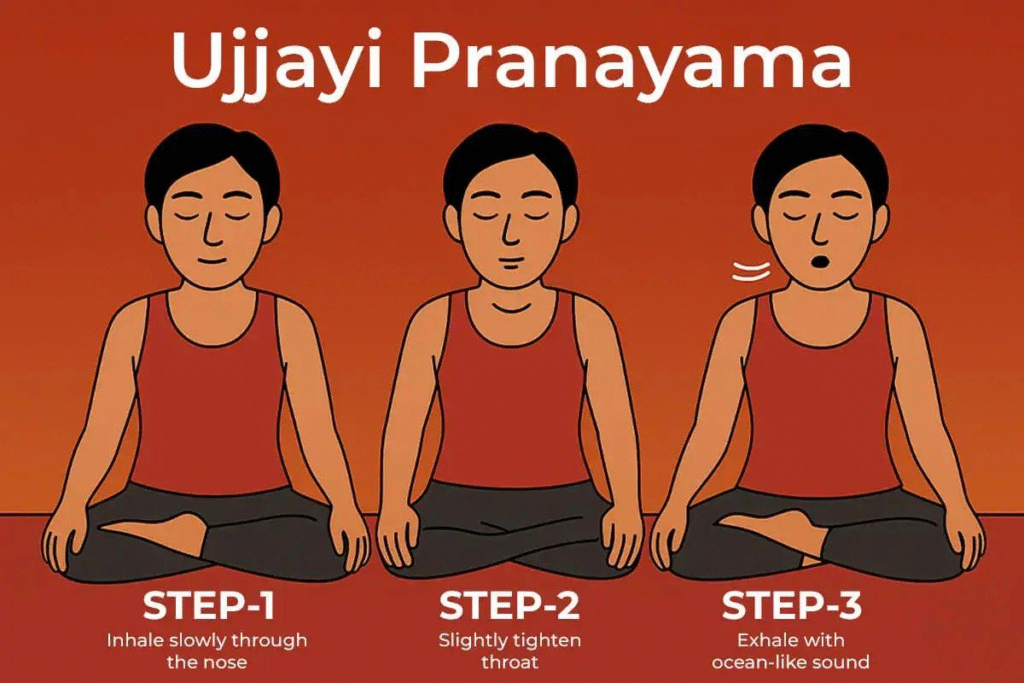
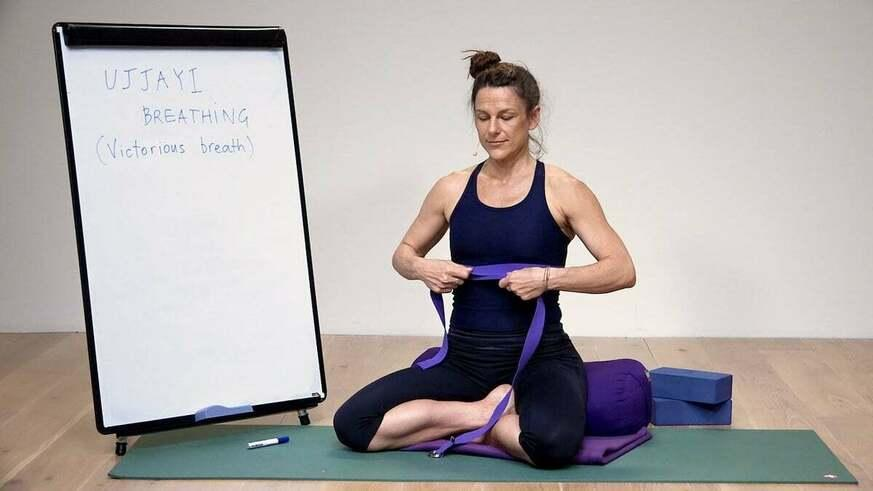
5. Ujjayi Pranayama (Victorious Breath)
Ujjayi is often practiced in Hatha Yoga and Vinyasa Yoga traditions.
It involves creating a gentle sound in the throat while breathing slowly and consciously.
How to Practice:
1. Sit comfortably or practice during yoga asanas.
2. Slightly contract the throat area.
3. Breathe slowly through the nose.
4. Create a soft ocean-like sound.
5. Maintain smooth and steady breathing.
Benefits:
- Improves breath control
- Increases concentration
- Creates internal warmth
- Supports mindful movement
Ujjayi is especially useful during asana practice because it connects movement with breath awareness. Ujjayi is widely used throughout Vinyasa Flow Yoga practice.
6. Sheetali Pranayama (Cooling Breath)
Sheetali is a cooling pranayama technique traditionally used to create a calming effect.
The word Sheetali means “cooling.”
How to Practice:
1. Sit comfortably.
2. Roll the tongue into a tube shape (if possible).
3. Inhale slowly through the tongue.
4. Close the mouth and exhale through the nose.
Benefits:
- Creates a cooling sensation
- Encourages relaxation
- Helps calm the body and mind
7. Sheetkari Pranayama
Sheetkari is another cooling breath technique.
Instead of rolling the tongue, practitioners inhale through slightly opened teeth, creating a gentle sound.
Benefits:
- Promotes calmness
- Develops breath awareness
- Supports relaxation
8. Surya Bhedana Pranayama (Right Nostril Breathing)
Surya Bhedana means “piercing the sun energy.”
This practice traditionally focuses on activating warming and energizing qualities.
Benefits:
- Creates alertness
- Increases energy awareness
- Supports focus
Because it is stimulating, it should be practiced according to individual needs and guidance.
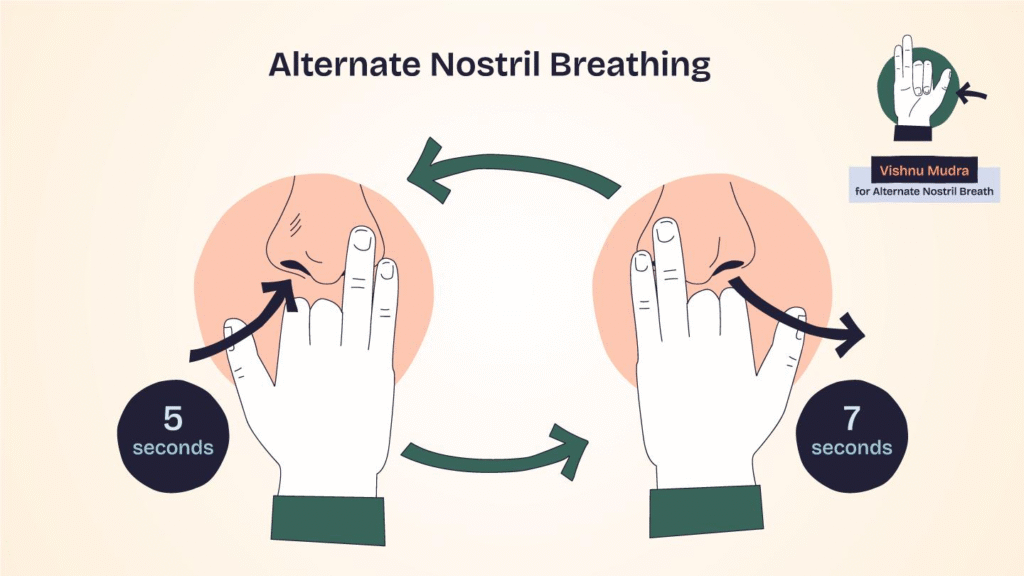
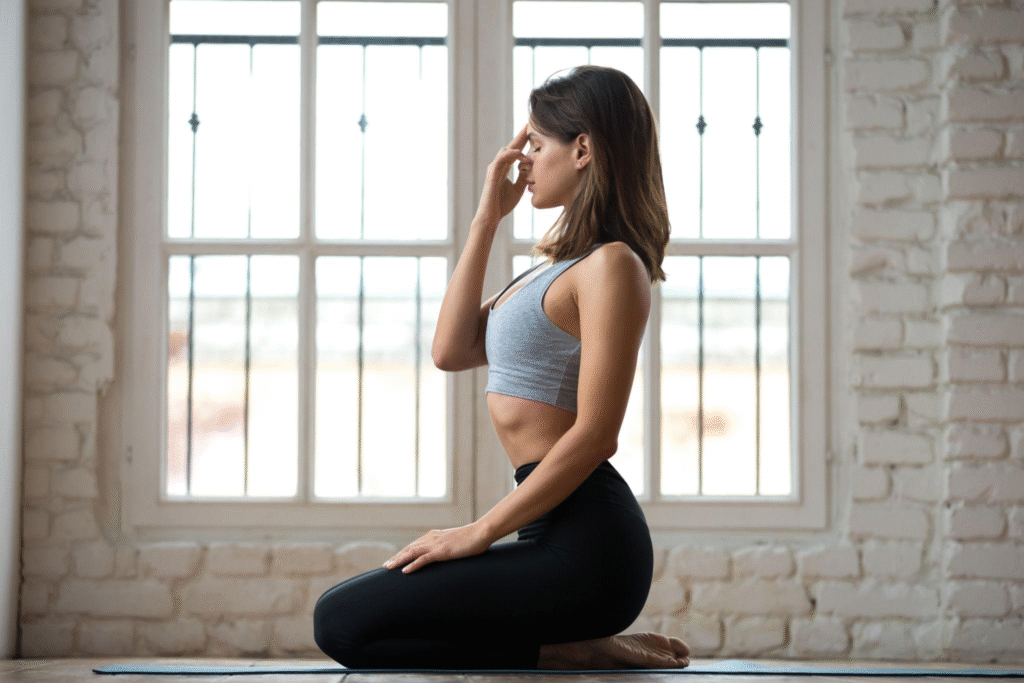
9. Anulom Vilom Pranayama (Alternate Nostril Breathing)
Anulom Vilom is a traditional balancing breathing practice commonly taught in Hatha Yoga.
Although it is often used interchangeably with Nadi Shodhana, many yoga traditions teach Anulom Vilom as a simpler form of alternate nostril breathing without extended breath retention.
The practice involves breathing through one nostril at a time in a slow and balanced rhythm.
How to Practice:
1. Sit comfortably with the spine upright.
2. Close the right nostril and inhale through the left.
3. Close the left nostril and exhale through the right.
4. Inhale through the right nostril.
5. Exhale through the left nostril.
6. Continue with awareness.
Benefits:
- Creates balance in breathing patterns
- Improves concentration
- Encourages relaxation
- Supports a calm and focused mind
Anulom Vilom is one of the most accessible pranayama practices for beginners.
10. Sama Vritti Pranayama (Equal Breathing)
Sama Vritti means “equal movement” or “equal rhythm.”
This practice focuses on creating balance by making the inhalation and exhalation equal in length.
For example:
Inhale for 4 counts → Exhale for 4 counts
How to Practice:
1. Sit in a comfortable meditation posture.
2. Inhale slowly for a chosen count.
3. Exhale slowly for the same count.
4. Maintain a smooth and relaxed rhythm.
Benefits:
- Develops breath control
- Improves focus
- Creates mental stability
- Helps calm the nervous system
Sama Vritti is a simple practice for developing awareness and steadiness.
11. Chandra Bhedana Pranayama (Left Nostril Breathing)
Chandra Bhedana means “piercing the moon energy.”
This traditional pranayama focuses on the left nostril, which is associated in yoga traditions with cooling and calming qualities.
How to Practice:
1. Sit comfortably.
2. Close the right nostril.
3. Inhale through the left nostril.
4. Exhale through the right nostril.
5. Repeat slowly.
Benefits:
- Encourages relaxation
- Creates a cooling effect
- Supports a peaceful state of mind
It is traditionally practiced when a calming effect is desired.
12. Dirga Pranayama (Three-Part Breath)
Dirga Pranayama is also known as the three-part yogic breath.
It develops awareness of breathing through three areas:
1. Abdomen
2. Rib cage
3. Upper chest
How to Practice:
1. Inhale slowly into the abdomen.
2. Continue the inhalation into the ribs.
3. Complete the breath into the upper chest.
4. Exhale slowly and completely.
Benefits:
- Improves breath awareness
- Encourages deeper breathing patterns
- Helps relax the body
- Prepares beginners for pranayama practice
Dirga breathing is an excellent foundation for beginners.
13. Viloma Pranayama (Interrupted Breath)
Viloma means “against the natural flow.”
This technique involves gentle pauses during inhalation or exhalation.
It is a more subtle practice that develops awareness and control of the breath.
How to Practice:
The breath is divided into sections with small pauses between them.
Example:
Inhale → pause → inhale again → complete inhalation
or
Exhale → pause → exhale again → complete exhalation
Benefits:
- Develops breath control
- Improves awareness of breathing patterns
- Encourages concentration
Viloma should be practiced gradually with proper understanding.
14. Kumbhaka Pranayama (Breath Retention)
Kumbhaka means “retention” or “holding.”
In traditional pranayama, breath retention is considered an advanced aspect of practice.
There are two main forms:
Antara Kumbhaka
- Retention after inhalation
Bahya Kumbhaka
- Retention after exhalation
Benefits:
- Develops concentration
- Improves awareness of breath
- Deepens pranayama practice
Breath retention should never be forced and is best learned under experienced guidance.
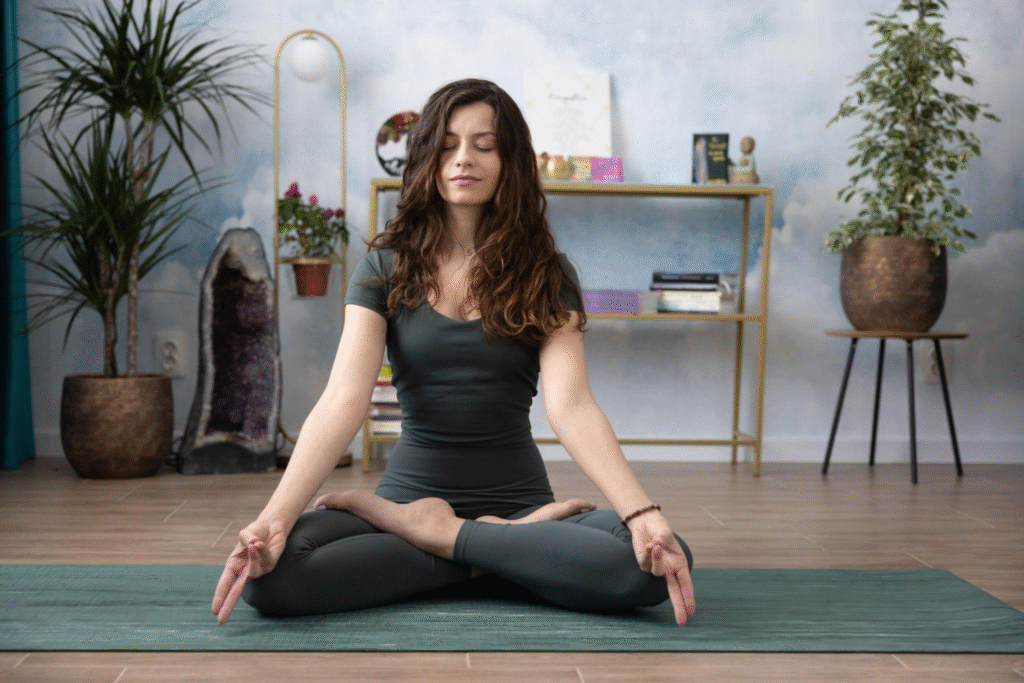
15. Prana Mudra With Breath Awareness
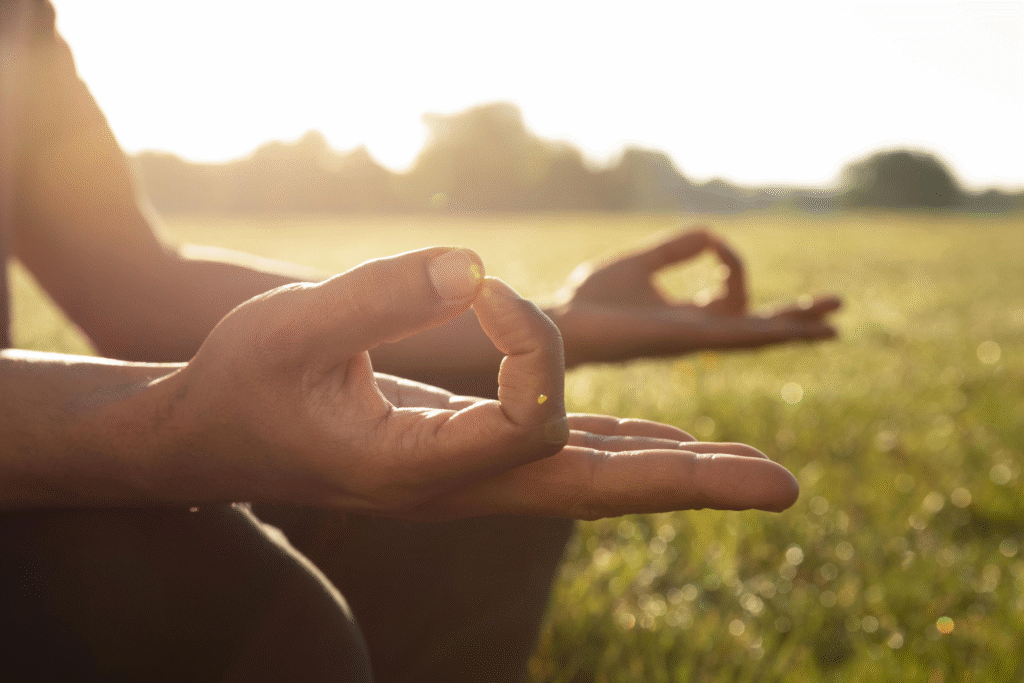
Prana Mudra is a traditional hand gesture used in yoga and meditation practices.
Combined with conscious breathing, it can support relaxation and inner awareness.
How to Practice:
1. Sit comfortably.
2. Bring the thumb, ring finger, and little finger together.
3. Keep the other fingers extended.
4. Practice slow and mindful breathing.
Benefits:
- Creates a meditative state
- Improves concentration
- Encourages awareness of breath and energy
Prana Mudra can be integrated with meditation and pranayama practices.
“Each pranayama technique has a different purpose and effect. Beginners should first develop breath awareness and learn foundational practices before exploring more advanced methods. In traditional yoga, pranayama is not about performing many techniques, but understanding the relationship between breath, awareness, and inner balance.”
9. Anulom Vilom Pranayama (Alternate Nostril Breathing)
Anulom Vilom is one of the most popular balancing breathing practices in Hatha Yoga. It involves breathing through alternate nostrils in a slow and controlled rhythm.
This practice is often taught to beginners because it is simple, calming, and helps develop awareness of the breath.
While Anulom Vilom and Nadi Shodhana are often used interchangeably, many yoga traditions describe Anulom Vilom as a simpler form of alternate nostril breathing that focuses on balance and relaxation.
How to Practice Anulom Vilom:
1. Sit comfortably with the spine naturally upright.
2. Relax the shoulders and close the eyes.
3. Close the right nostril and inhale slowly through the left nostril.
4. Close the left nostril and exhale through the right nostril.
5. Inhale through the right nostril.
6. Exhale through the left nostril.
7. Continue this slow and steady rhythm.
Benefits:
- Creates balance in breathing patterns
- Improves concentration and mental clarity
- Encourages relaxation
- Helps develop breath awareness
- Supports preparation for meditation
Anulom Vilom is an excellent practice for beginners who want to establish a regular pranayama routine.
10. Sama Vritti Pranayama (Equal Breathing)
The Sanskrit term Sama Vritti means “equal movement” or “equal rhythm.” This pranayama technique focuses on creating balance by making the inhalation and exhalation equal in duration.
For example, a practitioner may inhale for four counts and exhale for four counts while maintaining a smooth and comfortable rhythm.
How to Practice Sama Vritti:
1. Sit in a comfortable meditation posture.
2. Close the eyes and observe the natural breath.
3. Slowly inhale while counting mentally.
4. Exhale for the same number of counts.
5. Continue without creating tension or forcing the breath.
Benefits:
- Develops breath control
- Creates mental stability
- Improves concentration
- Encourages relaxation
- Helps prepare the mind for meditation
Sama Vritti is a simple yet powerful practice for developing steadiness and awareness.
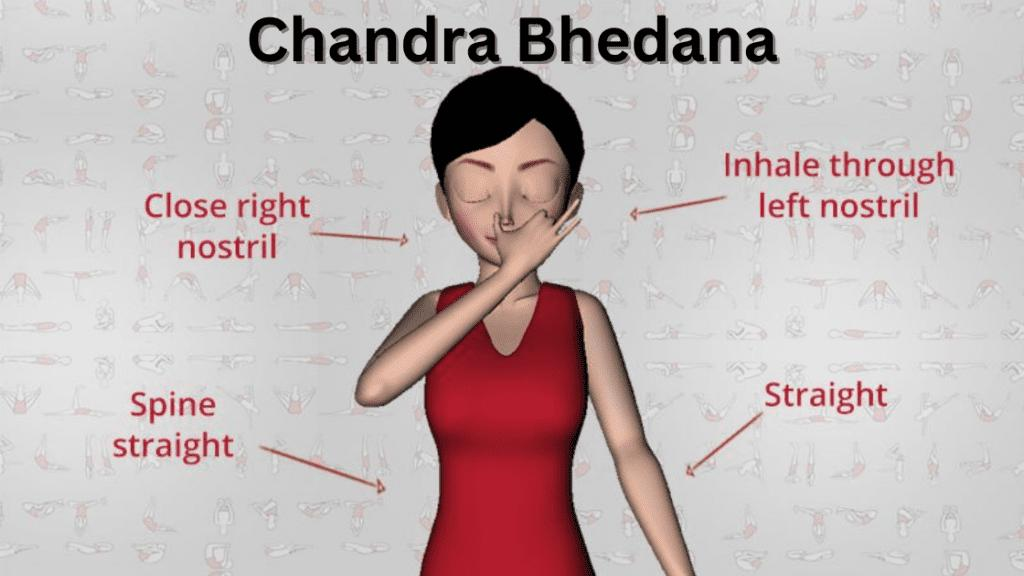
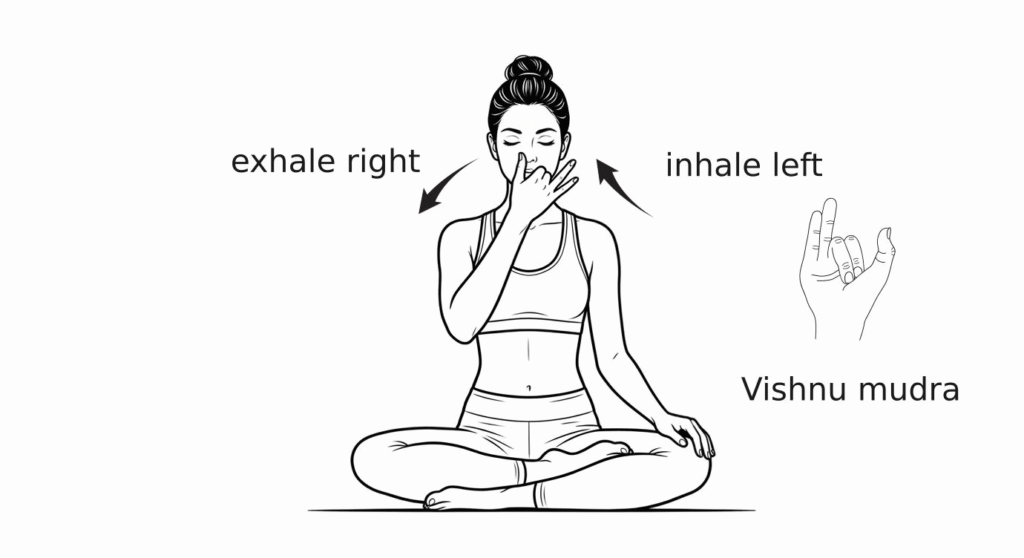
11. Chandra Bhedana Pranayama (Left Nostril Breathing)
Chandra Bhedana means “piercing the moon energy.” In traditional yoga, the left nostril is associated with cooling and calming qualities.
This practice focuses on breathing through the left nostril to encourage a peaceful and relaxed state.
How to Practice Chandra Bhedana:
1. Sit comfortably with an upright spine.
2. Close the right nostril using the right hand.
3. Inhale slowly through the left nostril.
4. Close the left nostril.
5. Exhale through the right nostril.
6. Repeat with awareness.
Benefits:
- Encourages relaxation
- Creates a cooling effect
- Supports a calm state of mind
- Develops breath awareness
Chandra Bhedana is traditionally practiced when a calming and balancing effect is desired.
12. Dirga Pranayama (Three-Part Breath)
Dirga Pranayama, also known as the three-part breath, is a foundational breathing practice that teaches awareness of the full breathing process.
The breath is experienced through three areas:
1. Abdomen
2. Rib cage
3. Upper chest
How to Practice Dirga Pranayama:
1. Sit comfortably or lie down in a relaxed position.
2. Begin with a slow inhalation into the abdomen.
3. Continue the inhalation into the rib cage.
4. Allow the breath to expand into the upper chest.
5. Exhale slowly and completely.
Benefits:
- Improves awareness of breathing patterns
- Encourages deeper breathing
- Helps release physical tension
- Creates relaxation and calmness
- Prepares beginners for deeper pranayama practices
Dirga Pranayama is an excellent starting point for students learning conscious breathing.
13. Viloma Pranayama (Interrupted Breath)
The word Viloma means “against the natural flow.” This pranayama introduces gentle pauses during inhalation or exhalation to develop greater awareness and control of the breath.
Unlike natural breathing, where the breath flows continuously, Viloma creates intentional breaks in the breathing pattern.
How to Practice Viloma:
A simple approach is:
1. Sit comfortably.
2. Begin a slow inhalation.
3. Pause briefly.
4. Continue inhaling until complete.
5. Exhale slowly and naturally.
The practice can also be performed with pauses during exhalation.
Benefits:
- Develops breath awareness
- Improves concentration
- Creates greater control over breathing patterns
- Encourages mindfulness
Viloma Pranayama should be practiced gradually without forcing the breath.
14. Kumbhaka Pranayama (Breath Retention)
The Sanskrit word Kumbhaka means “retention” or “holding.” In traditional pranayama, breath retention is considered a deeper practice that requires preparation and understanding.
There are two main forms:
Antara Kumbhaka
Retention after inhalation.
Bahya Kumbhaka
Retention after exhalation.
Benefits:
- Develops concentration
- Increases awareness of the breath
- Deepens pranayama practice
- Supports mental steadiness
Breath retention should always remain comfortable and should be learned gradually under proper guidance.
15. Prana Mudra With Breath Awareness
Prana Mudra is a traditional hand gesture practiced in yoga and meditation. When combined with conscious breathing, it can support a deeper sense of awareness and relaxation.
How to Practice:
1. Sit comfortably in a meditation posture.
2. Touch the tip of the thumb with the ring finger and little finger.
3. Keep the other fingers relaxed and extended.
4. Close the eyes and practice slow, mindful breathing.
Benefits:
- Supports meditation practice
- Encourages concentration
- Creates awareness of breath and inner energy
- Promotes relaxation
Prana Mudra can be combined with pranayama and meditation practices to create a more focused experience.
Understanding the Right Approach to Pranayama Practice
Each pranayama technique has a different purpose and effect. A complete pranayama practice is not about learning the maximum number of techniques, but about understanding the relationship between breath, body, and mind.
Beginners should first develop awareness through simple practices before exploring advanced techniques.
With patience, consistency, and proper guidance, pranayama becomes a powerful tool for creating balance, clarity, and deeper self-awareness.
Beginner-Friendly Pranayama Sequence
For someone new to pranayama, a simple daily practice may include:
Practice Duration
Natural Breath Awareness 2–5 minutes
Deep Diaphragmatic Breathing 5 minutes
Nadi Shodhana 5–10 minutes
Bhramari 3–5 rounds
Quiet Sitting Meditation 5 minutes
This gentle approach allows the breath to become steady before exploring stronger techniques.
Important Note About Pranayama Practice
Pranayama is not about holding the breath for long periods or forcing advanced techniques. The quality of awareness is more important than the complexity of the practice.
A peaceful, comfortable breath practiced regularly is more valuable than an intense practice performed without understanding.
Pranayama for Beginners: How to Start Your Breathing Practice Safely
Beginning a pranayama practice does not require advanced flexibility, complicated postures, or long breath retention. The most important qualities are patience, awareness, and consistency.
Many beginners make the mistake of trying powerful breathing techniques too quickly. In traditional yoga, pranayama is developed gradually. First, we learn to observe the breath. Then we learn to regulate it.
A calm and steady practice creates the foundation for deeper breathing techniques.
At Diksha Yoga School, we guide beginners to approach pranayama as a mindful practice rather than just a breathing exercise. The goal is not to control the breath forcefully, but to develop a harmonious relationship with it.
How Should Beginners Start Pranayama?
A beginner can start with simple practices that create breath awareness and relaxation.
Step 1: Develop Natural Breath Awareness
Before practicing any specific pranayama technique, spend a few minutes observing your natural breathing.
Notice:
- The movement of the abdomen
- The flow of inhalation and exhalation
- The rhythm of your breath
- Areas of tension in the body
This simple awareness is the first step toward conscious breathing.
Step 2: Practice Deep Diaphragmatic Breathing
Diaphragmatic breathing teaches the body to use the breath more efficiently.
Practice:
1. Sit comfortably or lie down.
2. Place one hand on the abdomen.
3. Slowly inhale through the nose.
4. Feel the abdomen gently expand.
5. Exhale slowly and allow the abdomen to relax.
Benefits:
- Creates relaxation
- Improves breath awareness
- Reduces unnecessary tension
- Prepares the body for pranayama
Step 3: Introduce Simple Pranayama Techniques
Beginners can start with gentle practices such as:
Nadi Shodhana
For balancing breath and calming the mind.
Bhramari
For relaxation and mental quietness.
Gentle Breath Awareness
For developing concentration and presence.
Once the foundation becomes stable, practitioners can gradually explore more advanced techniques.
Best Time to Practice Pranayama
Traditionally, pranayama is practiced during quiet times when the mind is naturally more peaceful.
The most recommended times are:
Early Morning
Morning practice helps create a calm and focused beginning to the day.
Before Meditation
Pranayama prepares the mind for deeper concentration and meditation.
Before Asana Practice
Gentle breathing awareness can help create a connection between breath and movement.
Evening Relaxation
Certain calming techniques can support relaxation after a busy day.
How Long Should Beginners Practice Pranayama?
The duration depends on experience and comfort level.
Beginner Level:
5–10 minutes daily
Intermediate Level:
15–30 minutes with proper understanding
Advanced Level:
Longer practices under experienced guidance
Remember, pranayama is not measured only by time. The quality of awareness is more important than the length of practice.
A calm five-minute practice with full attention can be more beneficial than a longer practice performed without awareness.
Creating a Daily Pranayama Routine
A simple beginner routine may look like this:
Practice Duration
Comfortable Sitting & Breath Awareness 3 minutes
Deep Relaxed Breathing 5 minutes
Nadi Shodhana Pranayama 5 minutes
Bhramari Pranayama 3 rounds
Quiet Meditation 5 minutes
This routine can be practiced daily and gradually expanded as your awareness develops.
Common Mistakes Beginners Should Avoid
Pranayama is a subtle practice. Avoiding common mistakes helps create a safe and meaningful experience.
1. Forcing the Breath
The breath should remain smooth and comfortable. Forcing inhalation, exhalation, or retention can create unnecessary strain.
2. Practicing Too Many Techniques at Once
It is better to understand one technique deeply than to perform many techniques without awareness.
3. Ignoring Body Position
A comfortable and stable sitting posture supports better breathing.
Important points:
- Keep the spine naturally upright
- Relax the shoulders
- Keep the face relaxed
- Avoid unnecessary tension
4. Practicing Immediately After Heavy Meals
Allow time for digestion before pranayama practice.
5. Comparing Your Practice With Others
Every person’s breath capacity and experience are different. Yoga is a personal journey.
Pranayama and Meditation: The Connection
In traditional yoga, pranayama and meditation are deeply connected.
When the breath becomes steady, the mind naturally becomes quieter. This is why many meditation traditions begin with breath awareness.
Pranayama helps practitioners:
- Develop concentration
- Reduce mental distractions
- Become more present
- Create inner stability
A steady breath becomes a support for a steady mind.
As Sage Patanjali explains in the Yoga Sutras, pranayama helps prepare the practitioner for deeper states of awareness.
The Role of Pranayama in Hatha Yoga
In Hatha Yoga tradition, pranayama is considered one of the essential practices for balancing body and mind.
Hatha Yoga does not separate the physical practice of asanas from breath awareness. The two work together.
Asanas prepare the body by creating:
- Stability
- Flexibility
- Strength
- Comfort
Pranayama refines the breath and energy.
Meditation develops deeper awareness.
Together, these practices create a complete yogic journey.
Pranayama Practice for Different Levels
Beginner Level
Focus on:
- Breath awareness
- Relaxation
- Simple balancing techniques
- Developing consistency
Recommended practices:
- Natural breathing
- Deep breathing
- Nadi Shodhana
- Bhramari
Intermediate Level
Focus on:
- Improving breath control
- Longer practice duration
- Understanding subtle effects
Practices may include:
- Extended Nadi Shodhana
- Ujjayi
- Gentle Kapalabhati
Advanced Level
Advanced pranayama requires proper guidance and preparation.
Practitioners may explore:
- Longer breath regulation
- Traditional ratios of breathing
- Bandhas (energy locks)
- Deeper meditation practices
Advanced practices should always be approached with respect and guidance from an experienced teacher.
Learning Pranayama With Proper Guidance
Although pranayama appears simple from the outside, it is a subtle practice that requires understanding.
An experienced teacher helps students learn:
- Correct breathing techniques
- Appropriate progression
- Proper posture
- Awareness during practice
- Traditional yogic principles
At Diksha Yoga School, pranayama is integrated into our yoga education programs along with Hatha Yoga, asana alignment, meditation, anatomy, and yoga philosophy to help students develop a complete understanding of the yogic path.
Pranayama Safety Guidelines: Practicing Breathwork With Awareness
Pranayama is a powerful yogic practice that influences the body, breath, and mind. When practiced correctly, it can become a deeply supportive part of a yoga journey. However, like any traditional practice, pranayama should be approached with awareness, patience, and proper understanding.
The purpose of pranayama is not to force the breath or achieve a particular result quickly. The true essence of pranayama is developing sensitivity, control, and harmony with the natural rhythm of breathing.
At Diksha Yoga School, we encourage students to respect their individual body, practice gradually, and learn techniques according to their experience level.
Important Guidelines for Safe Pranayama Practice
1. Practice With an Empty or Light Stomach
Pranayama is generally best practiced when the digestive system is not active.
Recommended:
- Practice in the morning before breakfast
- Or wait a few hours after a heavy meal
A comfortable body allows the breath to move naturally.
2. Choose a Comfortable Sitting Position
A stable posture supports steady breathing.
Suitable positions include:
- Sukhasana (Easy Pose)
- Padmasana (Lotus Pose)
- Vajrasana (Thunderbolt Pose)
- Comfortable seated positions on a yoga mat
The spine should remain naturally upright without unnecessary stiffness.
3. Never Force the Breath
One of the most important principles of pranayama is comfort.
Avoid:
- Aggressive inhalation
- Excessive breath retention
- Straining the face or shoulders
- Competing with others
The breath should remain smooth, controlled, and relaxed.
4. Progress Gradually
Traditional yoga emphasizes gradual development.
A beginner should first build:
- Breath awareness
- Relaxation
- Consistency
- Understanding of basic techniques
Advanced practices should only be introduced when the practitioner has developed proper preparation.
Who Should Be Careful With Certain Pranayama Practices?
While gentle breathing awareness is suitable for many people, some stronger techniques may require additional guidance.
People with certain health conditions should consult a qualified healthcare professional and experienced yoga teacher before practicing intense pranayama techniques.
Extra care may be needed with practices involving:
- Long breath retention
- Strong abdominal movements
- Forceful breathing patterns
Every person’s body is unique, and yoga encourages awareness rather than comparison.
Difference Between Gentle and Advanced Pranayama
Not all pranayama practices have the same intensity.
Gentle Practices:
Suitable for beginners:
- Breath awareness
- Deep breathing
- Nadi Shodhana
- Bhramari
These practices focus on relaxation, balance, and awareness.
Intermediate Practices:
Require more understanding:
- Ujjayi
- Longer alternate nostril breathing
- Gentle Kapalabhati
These practices develop greater breath control.
Advanced Practices:
Require experienced guidance:
- Advanced breath retention
- Bandha integration
- Traditional pranayama sequences
Advanced pranayama is not about performing difficult techniques. It is about developing deeper awareness and control.
The Relationship Between Pranayama, Asana, and Meditation
In a complete yoga practice, pranayama is not separate from asana and meditation. These practices support each other.
Asana Creates Stability
Physical postures help prepare the body by developing:
- Strength
- Flexibility
- Comfort
- Awareness
Pranayama Refines the Breath
Breathing practices help develop:
- Concentration
- Energy awareness
- Mental calmness
Meditation Develops Inner Awareness
A calm breath supports a focused and peaceful mind.
Together, these practices create a balanced approach to yoga.
Pranayama in Yoga Teacher Training
Learning pranayama deeply requires more than memorising breathing techniques. A yoga teacher should understand:
- The purpose behind each technique
- Correct practice methods
- Suitable modifications
- Teaching principles
- The relationship between breath and movement
At Diksha Yoga School, pranayama education is an important part of our 200 Hour Yoga Teacher Training, 300 Hour Yoga Teacher Training, and 100 Hour Yoga Teacher Training, which include daily pranayama practice. where students learn traditional breathing techniques alongside Hatha Yoga, Vinyasa Flow, anatomy, meditation, philosophy, and teaching methodology.
Through proper training, students develop the confidence to practice pranayama personally and share it responsibly with others.
How Pranayama Transforms Daily Life
The true benefit of pranayama is not limited to the time spent on the yoga mat.
A regular breathing practice can influence the way we experience everyday life.
Practitioners often develop:
Greater Awareness
You begin to notice your thoughts, emotions, and reactions more clearly.
Improved Self-Control
Conscious breathing creates a pause between experience and response.
Better Focus
A steady breath supports a more focused and present mind.
Inner Calmness
Pranayama becomes a tool to return to balance during challenging moments.
Yoga teaches that transformation happens through small, consistent practices repeated with awareness.
Building a Lifelong Pranayama Practice
A meaningful pranayama journey is not created overnight. Like any skill, it develops through regular practice and patience.
A sustainable approach is:
Start Simple → Practice Regularly → Develop Awareness → Learn Deeper Techniques
The goal is not to master the most advanced breathing practices. The goal is to create a peaceful relationship with your breath and discover greater awareness within yourself.
Final Thoughts: The True Essence of Pranayama
Pranayama is much more than a collection of breathing exercises. It is a journey of awareness that connects the body, breath, and mind.
Through conscious breathing, we learn to slow down, become present, and create balance within ourselves.
Whether you are a beginner taking your first steps into yoga or an experienced practitioner exploring deeper practices, pranayama offers a powerful path toward inner stability and self-awareness.
At Diksha Yoga School, we believe authentic yoga is not about perfection. It is about consistent practice, mindful awareness, and understanding the traditional wisdom behind each technique.
When practiced with patience and respect, pranayama becomes not just a practice on the mat, but a way of living with greater clarity, calmness, and connection.
Frequently Asked Questions: Choosing the Right Pranayama
1. Which pranayama is best for beginners?
If you’re just starting your pranayama journey, Dirga Pranayama (Three-Part Breath) and Nadi Shodhana (Alternate Nostril Breathing) are the best choices. These gentle techniques help develop breath awareness, improve concentration, and build a strong foundation before progressing to more advanced practices.
2. Which pranayama is best for reducing stress and anxiety?
Bhramari Pranayama (Humming Bee Breath) is one of the most effective techniques for calming the mind and relaxing the nervous system. Nadi Shodhana is another excellent option for reducing stress by balancing the breath and promoting emotional stability.
3. Which pranayama improves focus and concentration?
Nadi Shodhana Pranayama is widely recommended for improving mental clarity, concentration, and mindfulness. Regular practice helps balance the mind, making it easier to stay focused during work, study, or meditation.
4. Which pranayama increases energy and vitality?
Kapalabhati Pranayama and Bhastrika Pranayama are traditionally practiced to increase energy, improve breath capacity, and create alertness. These techniques are best learned gradually under the guidance of an experienced yoga teacher.
5. Which pranayama is best before meditation?
Ujjayi Pranayama and Nadi Shodhana are ideal before meditation. They create a steady breathing rhythm, calm the mind, and prepare the body for deeper states of awareness.
6. Which pranayama cools the body?
Sheetali Pranayama and Sheetkari Pranayama are traditional cooling breathing techniques. They are commonly practiced during warm weather or whenever you wish to create a refreshing and calming effect on the body and mind.
7. Which pranayama is best in the morning?
Morning is an excellent time for Nadi Shodhana, Ujjayi, or Kapalabhati, depending on your goal. Gentle techniques promote balance and clarity, while energizing practices like Kapalabhati can help you start the day with vitality.
8. Which pranayama is best before bedtime?
If your goal is relaxation before sleep, Bhramari, Nadi Shodhana, or slow diaphragmatic breathing are excellent choices. These calming practices help quiet the mind and encourage a peaceful transition to rest.
9. Can I practice more than one pranayama technique in a single session?
Yes. A balanced session may begin with Dirga Pranayama for breath awareness, continue with Nadi Shodhana for balance, and finish with Bhramari before meditation. The sequence should always suit your experience level and remain comfortable.
10. How do I know which pranayama is right for me?
The best pranayama depends on your personal goal. Choose Bhramari for relaxation, Nadi Shodhana for focus and balance, Kapalabhati for energy, Sheetali for cooling, and Ujjayi for meditation preparation. Beginners should always start with simple techniques before progressing to advanced practices.
11. Can I practice pranayama every day?
Yes. Gentle pranayama techniques such as Dirga Pranayama, Nadi Shodhana, and Bhramari can be practiced daily. Consistency is more beneficial than long or intense sessions, helping develop greater awareness and long-term benefits.
12. Should beginners practice advanced pranayama techniques?
No. Beginners should first master foundational techniques like Dirga Pranayama, Nadi Shodhana, and Bhramari. Advanced practices involving forceful breathing or breath retention, such as Kumbhaka, should only be learned under qualified guidance.
13. How long should I practice pranayama each day?
Beginners can start with 5–10 minutes of daily practice. As your experience grows, you can gradually increase the duration. The quality of your awareness and consistency is more important than practicing for a long time.
14. Do I need a yoga teacher to learn pranayama?
Basic breathing awareness can be learned independently, but traditional pranayama techniques are best practiced under the guidance of an experienced yoga teacher. Proper instruction helps ensure correct technique, safe progression, and a deeper understanding of the relationship between breath, body, and mind.
Experience the Power of Traditional Yogic Breathing – Enroll Now