How to Choose the Right Yoga School in Sri Lanka
Choose the Right Yoga School in Sri Lanka is an important investment in your education, personal development and future as a yoga teacher. With so many yoga teacher training programmes available in Sri Lanka, knowing which school to trust can make all the difference.
You may come across schools offering attractive course fees, beautiful accommodation, experienced-looking teachers and internationally recognised certificates. But how can you know whether a school genuinely meets the standards you are looking for?
Before paying a deposit or confirming your place, it is important to verify the school’s Yoga Alliance registration, understand its training curriculum, check the qualifications of its lead teachers and make sure the programme provides the practical experience you need.
If you are planning to join a 200-hour Yoga Teacher Training in Sri Lanka, this guide will help you understand exactly what to check before choosing your school.
At Diksha Yoga School, we believe that students should make informed decisions about their education. That is why we have created this guide to help you understand the important differences between registered schools, training certificates and professional yoga teacher credentials.
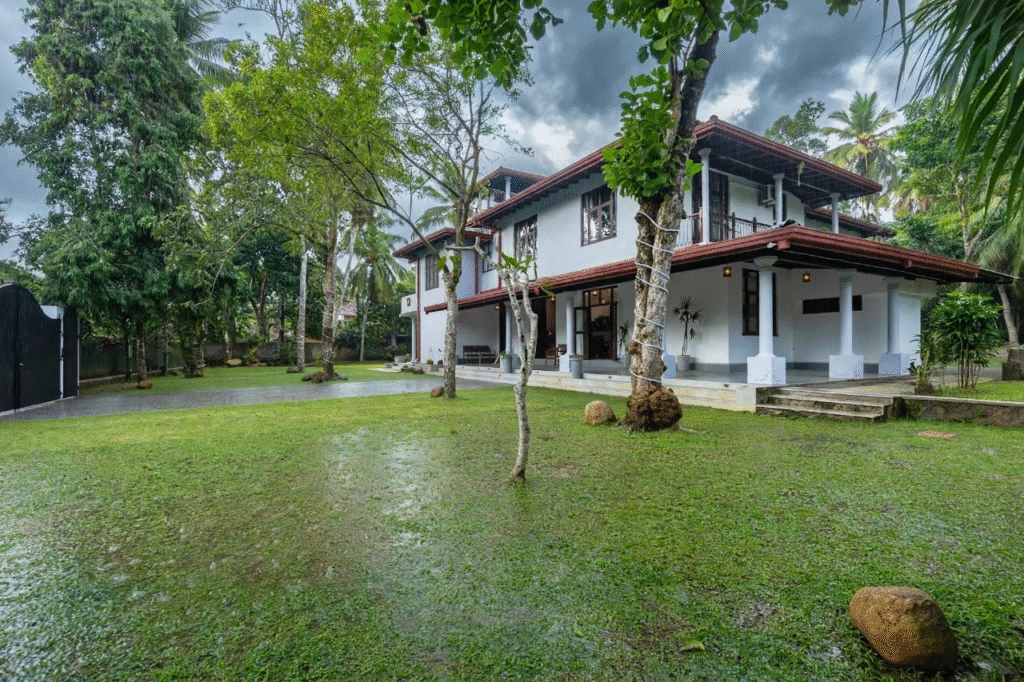
Table of Contents
1. Verify the Yoga School Directly Through the Official Yoga Alliance Website
The first and most important step is to check whether the yoga school is registered with Yoga Alliance USA.
Yoga Alliance maintains an official directory of Registered Yoga Schools (RYS). These schools follow defined educational standards for their respective teacher training programmes.
For students planning to complete their foundational teacher training, the relevant school designation is generally RYS 200.
Here is how you can verify a school:
- Visit the official Yoga Alliance website.
- Open the Find a Yoga School directory.
- Search for the school’s exact registered name.
- Check its current registration status.
- Look for the relevant RYS 200 designation.
- Confirm that the school is offering the programme under its registered credentials.
You can also check Diksha Yoga School’s Yoga Alliance registration profile.
Official verification link:
Do not rely only on a school’s website, social media posts or advertising claims. Always check the official Yoga Alliance directory yourself.
Is Yoga Alliance registration important?
Yoga Alliance registration provides a recognised professional framework for yoga schools and teachers. It helps students understand the school’s registered training level and the educational standards associated with its programme. You can review the official Yoga Alliance credentialing options to understand these designations.
However, registration alone does not guarantee that a school is the right choice for you. You should also evaluate its teaching team, curriculum, practical training and student experience.
2. Understand the Difference Between RYS 200 and RYT 200
This is one of the most important things to understand before booking your yoga teacher training.
Many students see the terms RYS 200 and RYT 200 on yoga school websites but are unsure what they mean.
They represent two different credentials.
RYS 200 – Registered Yoga School
This refers to a school registered with Yoga Alliance to offer a foundational 200-hour yoga teacher training programme. You can read the official RYS credential standards for more details.
RYT 200 – Registered Yoga Teacher
This refers to an individual yoga teacher who has completed an eligible 200-hour training programme and successfully applied for the corresponding Yoga Alliance teacher credential.
In simple terms:
- RYS 200 refers to the registered school.
- RYT 200 refers to the registered individual teacher.
- Completing your eligible training is the first step towards applying for RYT 200.
- Yoga Alliance membership and application requirements must also be fulfilled.
A school should explain this process clearly before you enrol.
You can learn more through the official Yoga Alliance website.
3. Check the Qualifications of the Lead Trainer
The qualifications and experience of your lead trainer are among the most important factors when choosing a yoga teacher training school.
A good teacher should have a strong understanding of traditional yoga, practical teaching experience and the ability to guide students with clarity and patience.
For Yoga Alliance RYS 200 foundational programmes, the published standards require an E-RYT 500 Lead Trainer.
Under the current Yoga Alliance RYS 200 standards, the Lead Trainer must hold an active E-RYT 500 credential and facilitate at least 150 of the programme’s 200 training hours. Before enrolling, ask the school to explain who will lead your training and how the teaching hours are distributed among the trainers and faculty.
You can verify these requirements through the official Yoga Alliance Lead Trainer requirements.
Before booking, ask the school:
- Who will lead the 200-hour yoga teacher training?
- Does the lead trainer hold an E-RYT 500 credential?
- How many years of teaching experience do they have?
- Have they trained and mentored other yoga teachers?
- Will they personally guide students during practical teaching sessions?
- Who else will teach the different subjects?
It is important to check the credentials of the actual teaching team rather than relying only on the school’s founder’s profile.
Meet the Lead Teacher at Diksha Yoga School
At Diksha Yoga School, our founder and lead teacher, Yogini Manisha, is an E-RYT 500 yoga teacher with more than 16 years of experience in teaching, training and mentoring yoga practitioners. You can also view her official Yoga Alliance teacher profile.
Her approach combines traditional yogic wisdom with modern teaching methods, helping students develop a deeper understanding of yoga beyond physical postures.
Our teaching philosophy focuses on awareness, correct alignment, sensitivity, discipline and developing your own teaching confidence.
We believe that becoming a good yoga teacher starts with understanding the principles behind the practice.
4. Examine the Actual 200-Hour Curriculum Before Enrolling
A genuine 200-hour teacher training programme should have a clearly structured curriculum that covers the essential areas of yoga education.
Do not choose a school simply because it advertises Hatha Yoga, Vinyasa Flow or Ashtanga Yoga.
Ask for the complete syllabus and understand what you will actually study.
Under Yoga Alliance’s RYS 200 framework, the core educational categories include:
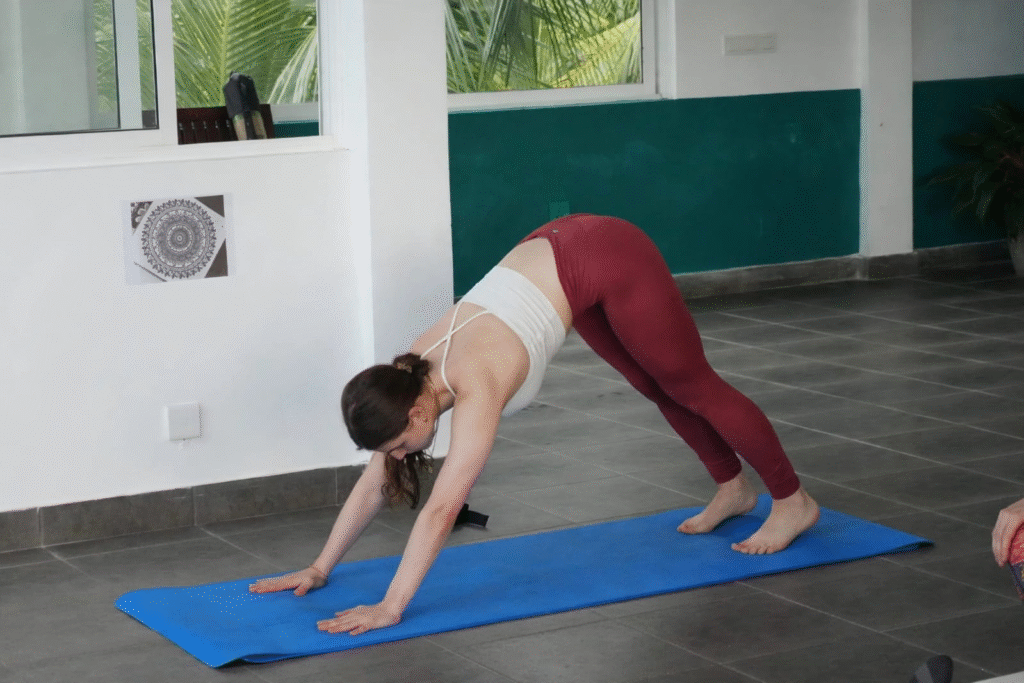
Techniques, Training and Practice
This includes the study and practice of yoga techniques, asanas, pranayama, meditation and other relevant practices.
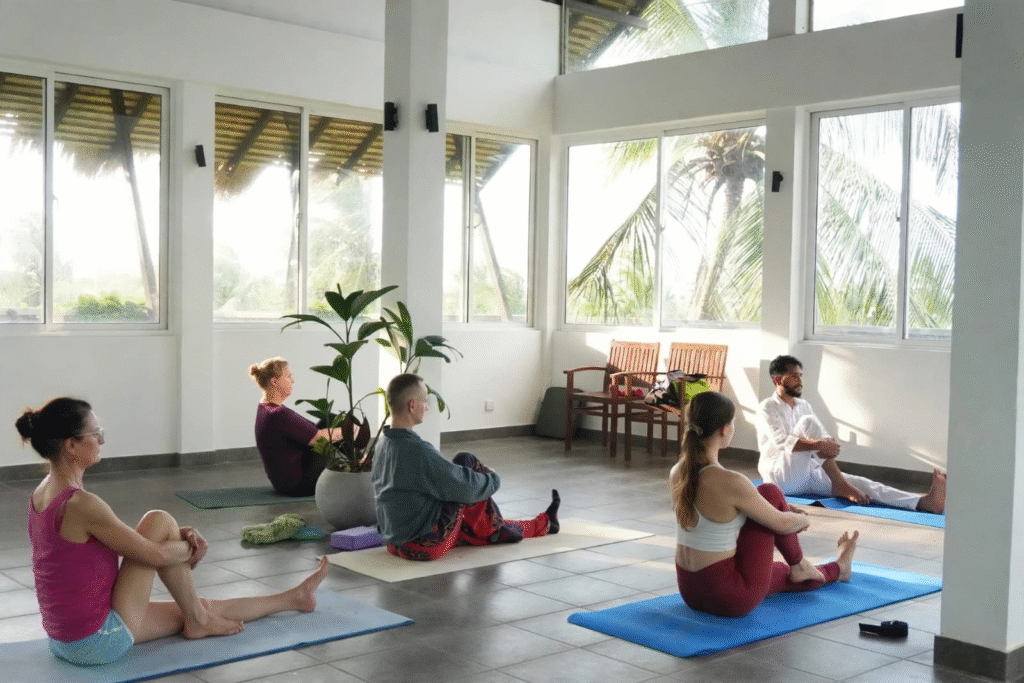
Anatomy and Physiology
Students develop an understanding of the human body, movement, anatomy and physiology as they relate to yoga practice.
Yoga Humanities
This category includes yoga history, philosophy and ethics and the wider context of yoga traditions.
Professional Essentials
Students learn the practical and professional skills needed to teach yoga, including class sequencing, communication, teaching methodology, professional development and teaching practice. You can also review the official Yoga Alliance RYS 200 educational standards for the complete framework.
At Diksha Yoga School, our 200-hour Yoga Teacher Training in Sri Lanka programme includes:
- Traditional Hatha Yoga
- Ashtanga Yoga foundations
- Vinyasa Flow
- Pranayama and meditation
- Patanjali Yoga Sutras
- Bhagavad Gita introduction
- Hatha Yoga philosophy
- Anatomy and alignment
- Teaching methodology
- Practical teaching sessions
Before making a booking, compare the school’s actual syllabus with the Yoga Alliance RYS 200 training standards and ask how students are assessed before graduation.
5. Confirm That the School Provides Proper Teaching Practice
Learning yoga postures is different from learning how to teach yoga.
A good teacher training programme should give you opportunities to practise teaching, receive feedback and gradually develop confidence in guiding others. You can explore the teaching practicum and practical training included in our Sri Lanka programme.
Before enrolling, ask:
- Will students practise teaching in front of their classmates?
- Are practical teaching sessions included?
- Will teachers observe and correct your instructions?
- Will you learn how to create a complete yoga sequence?
- Will you practise giving verbal instructions?
- How will your teaching skills be assessed?
At Diksha Yoga School, we believe that teaching confidence develops through consistent practice and personal guidance.
Our students participate in practical teaching sessions, learn to structure yoga classes and receive constructive feedback from their teachers.
The intention is to help you become comfortable guiding a class rather than simply memorising yoga sequences.
6. Check the Course Duration, Attendance and Training Hours
Before booking a 200-hour yoga teacher training, understand how the school delivers its programme.
Ask for the complete training schedule and check:
- Total programme hours
- Daily teaching schedule
- Course start and completion dates
- Attendance requirements
- Contact and online learning arrangements, if applicable
- Assessments and graduation requirements
Do not assume that a programme is a valid 200-hour training simply because it lasts 20 or 25 days.
The school should be able to explain how its curriculum meets the applicable 200-hour requirements and how the instructional hours are delivered.
Diksha Yoga School’s Sri Lanka Programme
Our residential 200-hour yoga teacher training in Galle, Sri Lanka is structured over:
23 Days / 22 Nights
Students follow a structured daily programme combining practical yoga sessions, theory classes, meditation, philosophy, anatomy and teaching methodology. You can explore the complete course curriculum and daily timetable before making your decision.
We encourage prospective students to request the complete timetable before reserving their place.
7. Understand the Accommodation, Meals and Complete Course Fees
Your training environment is an important part of your residential experience.
Before choosing a school, make sure you understand exactly what is included in the advertised course price. You can compare our Sri Lanka yoga teacher training fees and package inclusions before booking.
Some schools advertise tuition-only fees, while others provide complete residential packages.
Check whether your course includes:
- Yoga teacher training tuition
- Private or shared accommodation
- Three sattvic vegetarian meals daily
- Training manual and study materials
- Certificate upon successful completion
- Airport pickup, if included
- Excursions and activities, if included
- Wi-Fi and other facilities
- Additional charges and optional services
Also, ask for a written breakdown of the payment schedule and booking conditions and cancellation conditions.
Residential Yoga Teacher Training at Diksha Yoga School
Our Sri Lanka programme takes place at Green Serene Villa in Galle.

Depending on the selected package, students can enjoy:
- Private or shared accommodation
- Three sattvic vegetarian meals daily
- Complete 200-hour training
- Yoga training manual
- Teaching practicum and feedback
- Assessment and course certificate
- Airport pickup from Colombo International Airport
- Local excursions
We aim to make the booking process transparent so students understand their package and course inclusions before making a payment. You can check the latest course dates and fees or contact our admissions team for details.
8. Look for Genuine Student Reviews and Training Experiences
A school’s reputation should be based on more than its website or promotional photographs.
Take time to research what previous students say about their experience. You can also explore the Diksha Yoga School photo gallery and read about the 200-hour Yoga Teacher Training experience in Sri Lanka.
Check independent reviews and look for feedback about:
- Teaching quality
- Lead teacher experience
- Practical classes
- Individual attention
- Training organisation
- Accommodation and meals
- Student support
- Overall learning experience
You can also ask the school for photographs and videos from previous training batches.
If possible, speak with a former student and ask about their experience.
Look for consistent feedback rather than relying on a single positive or negative review.
A trustworthy school should be open about its teaching approach and willing to answer your questions. You can contact Diksha Yoga School if you would like more information about the training experience.
9. Ask About Student Group Size and Individual Attention
The number of students in a training group can influence your learning experience.
Large groups may provide opportunities to meet more people, but they can sometimes make individual feedback and personal interaction more difficult.
Before booking, ask:
- What is the maximum number of students per batch?
- How much individual feedback will you receive?
- Can you ask questions directly during classes?
- Will teachers observe your personal practice?
- Are practical sessions conducted in smaller groups?
At Diksha Yoga School, we maintain small training groups of a maximum of 10 students.
This allows our teachers to interact more closely with students, observe their practice and provide individual guidance.
We believe that yoga education should be personal, supportive and meaningful.
10. Verify the Certificate and Understand What Happens After Graduation
Before making your final decision, ask the school to explain exactly what certificate you will receive after completing the programme.
For an eligible RYS 200 programme, students who successfully complete the required training and assessments receive a 200-hour training certificate from the registered school.
You can then apply for the RYT 200 credential through Yoga Alliance, subject to its current application and membership requirements.
Before enrolling, confirm:
- The registered name of the school.
- The training designation.
- The course completion requirements.
- The certificate format and details.
- The process for applying for RYT 200.
- Any additional Yoga Alliance registration fees.
Remember that the school certificate and the individual RYT 200 credential are not the same document. Read the official Yoga Alliance certificate requirements to understand the distinction.
A professional school should explain this distinction clearly so you know what to expect after graduation.
Why Choose Diksha Yoga School for Your 200-Hour Yoga Teacher Training in Sri Lanka?
Choosing the right school is about finding an environment where you can learn, practise and grow with confidence.
At Diksha Yoga School, we believe that yoga teacher training should go beyond physical postures and certificate collection.
Our intention is to help students understand traditional yogic wisdom, develop their own practice and gain the skills required to guide others.
Experienced Lead Teacher
Our founder and lead teacher, Yogini Manisha, is an E-RYT 500 yoga teacher with more than 16 years of experience in teaching, training and mentoring. You can also view her official Yoga Alliance teacher profile.
Her teaching approach combines traditional yoga knowledge with modern teaching techniques and practical experience.
Yoga Alliance Registered School
Diksha Yoga School holds RYS 200 and RYS 300 school credentials.
Prospective students can independently verify the school through the official Yoga Alliance directory.
Small Group Learning
We welcome a maximum of 10 students per training batch, allowing for meaningful interaction, practical guidance and individual feedback.
Comprehensive 200-Hour Curriculum
Our 200-hour programme in Sri Lanka includes Traditional Hatha Yoga, Ashtanga foundations, Vinyasa Flow, pranayama, meditation, yoga philosophy, anatomy, alignment and teaching methodology.
Residential Training in Galle
Our Sri Lanka yoga teacher training takes place at Green Serene Villa in Galle, providing a residential environment where students can focus on their practice and studies.
Accommodation and Food
Depending on the selected package, students enjoy comfortable accommodation and three sattvic vegetarian meals daily.
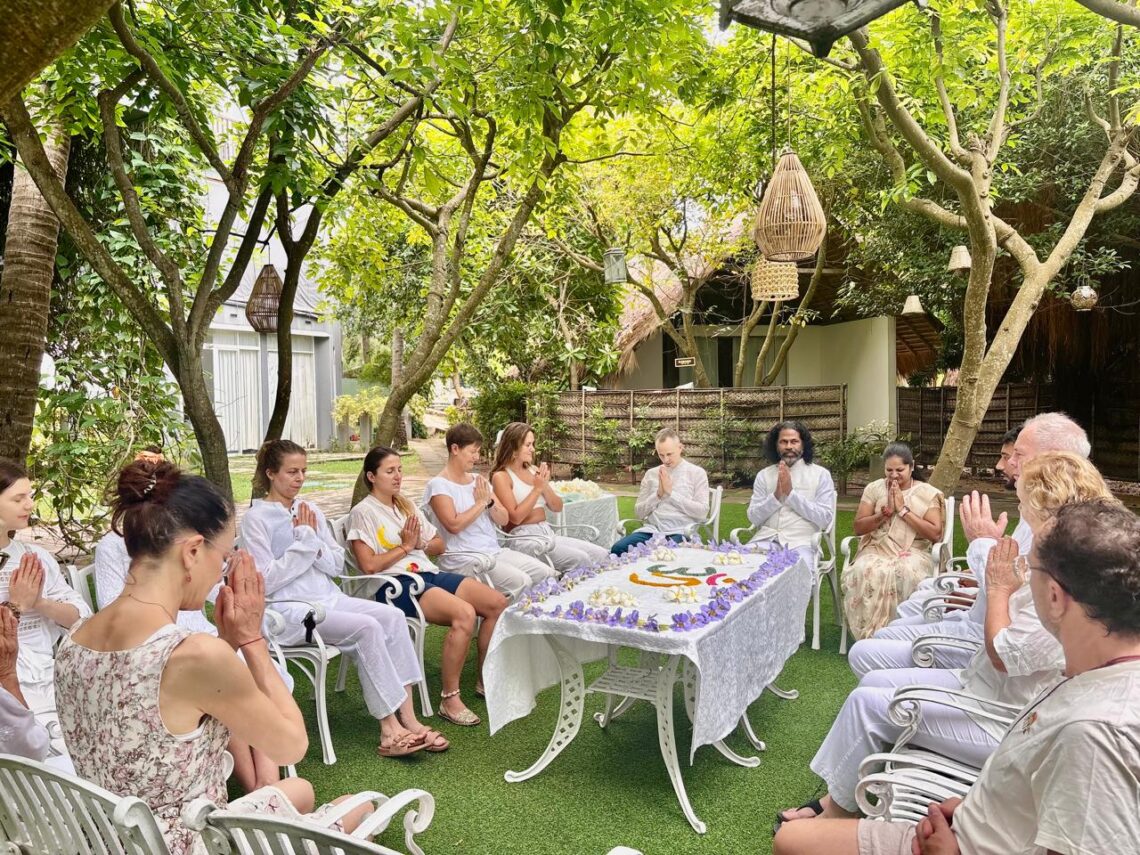
International Student Community
We welcome students from different countries and backgrounds, creating opportunities to share experiences, develop friendships and learn together. You can explore our student training experiences and testimonials to learn more.
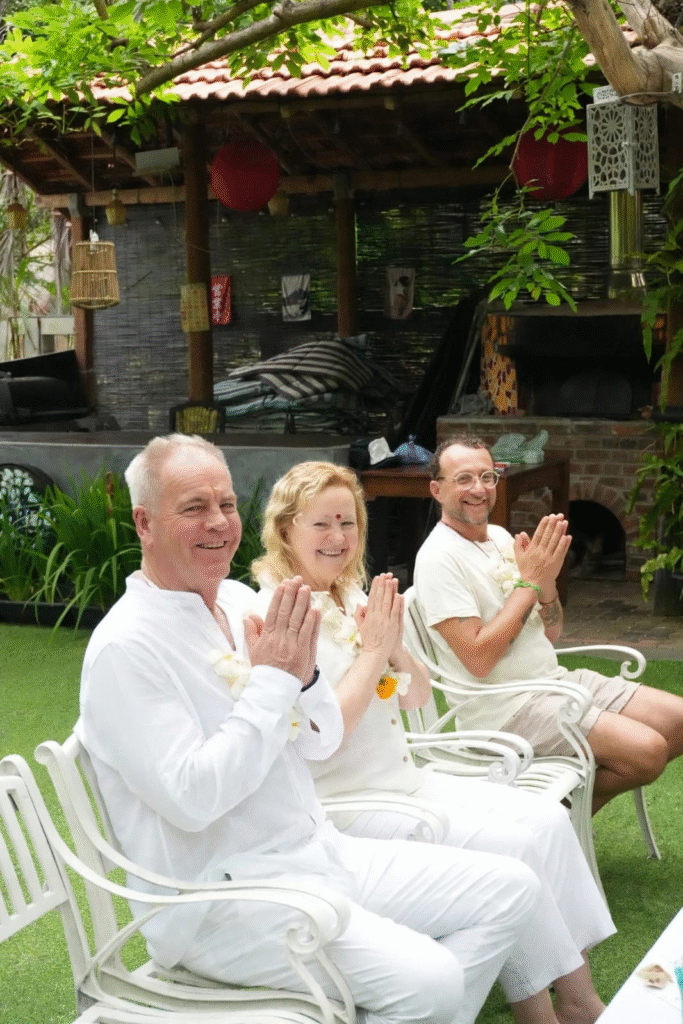
Our aim is to provide an authentic, supportive and meaningful yoga education experience.
Frequently Asked Questions About Yoga Alliance Registered Yoga Schools in Sri Lanka
1. How can I verify a Yoga Alliance Registered Yoga School in Sri Lanka?
Visit the official Yoga Alliance website and use the Find a Yoga School directory. Search for the school’s registered name and check its current registration status and RYS designation. You can also view the Diksha Yoga School registration profile.
2. What does RYS 200 mean in yoga teacher training?
RYS 200 means Registered Yoga School at the 200-hour level. It identifies a school registered to offer a foundational 200-hour yoga teacher training programme under Yoga Alliance standards.
3. Is Yoga Alliance registration the same as government accreditation?
No. Yoga Alliance is a professional membership and school registration organisation. Its RYS credentials should not be confused with government university accreditation or a government-issued teaching licence.
4. What qualifications should the lead trainer have?
Under the published Yoga Alliance standards for foundational RYS programmes, the Lead Trainer must hold an active E-RYT 500 credential. You should verify the actual lead trainer’s qualifications and teaching experience. You can also check Yogini Manisha’s Yoga Alliance teacher profile.
5. Can international students join a 200-hour yoga teacher training in Sri Lanka?
Yes. International students can enrol in suitable residential programmes in Sri Lanka. Check the applicable Sri Lanka immigration and visa requirements for your nationality before travelling.
6. What is included in a 200-hour yoga teacher training?
A comprehensive programme covers yoga techniques and practice, anatomy and physiology, yoga humanities and professional essentials. Residential packages may also include accommodation, meals and airport transfers.
7. How long does a 200-hour yoga teacher training take?
The duration depends on the school’s programme and delivery format. Many residential courses run for approximately three to four weeks. Check the actual instructional hours and attendance requirements before booking. At Diksha Yoga School, the Sri Lanka residential 200-hour course runs for 23 days, and you can view the course schedule and upcoming dates.
8. Can beginners join a 200-hour yoga teacher training?
Many foundational programmes welcome beginners and intermediate practitioners. However, students should check the school’s entry requirements and understand the physical and academic commitment involved. Read more about the 200-hour Yoga Teacher Training in Sri Lanka.
9. Can I become a registered yoga teacher after completing a 200-hour course?
After successfully completing an eligible 200-hour programme at a registered school, you can apply for the RYT 200 credential through Yoga Alliance, subject to its application and membership requirements. You can read the official RYT credential requirements before applying.
10. How can I book a 200-hour yoga teacher training with Diksha Yoga School?
Contact our team to receive the latest course dates, curriculum, accommodation options, fees and availability. You can also check our upcoming course dates and fees. We will be happy to guide you through the programme and booking process.
11. Is Galle a good location for yoga teacher training in Sri Lanka?
Galle offers a peaceful coastal environment for students who want to combine yoga education with a residential experience in Sri Lanka. Before booking, check the school’s location, accommodation, meals and transport arrangements.
12. What should I check before paying a yoga teacher training deposit?
Verify the school’s Yoga Alliance registration, lead trainer credentials, complete curriculum, accommodation details, course inclusions, cancellation policy and payment terms before paying your deposit.
13. Does a 200-hour yoga teacher training include accommodation and meals?
This depends on the school and selected package. At Diksha Yoga School, residential Sri Lanka packages offer accommodation and three sattvic vegetarian meals daily, depending on the selected package. Confirm the exact inclusions with the admissions team before booking.
Ready to Begin Your Yoga Teacher Training Journey in Sri Lanka?
Choosing a yoga school is an important decision. Take the time to verify its Yoga Alliance registration, understand its curriculum, research its teachers and compare the complete course inclusions and fees.
At Diksha Yoga School, we welcome students from around the world who wish to deepen their understanding of traditional yoga and develop the confidence to share its teachings.
If you are looking for a residential 200-hour Yoga Teacher Training in Galle, Sri Lanka, we would love to help you explore our programme.
Explore our 200-Hour Yoga Teacher Training in Sri Lanka
Discover the curriculum, upcoming course dates, accommodation options and fees. Contact our team to discuss your training journey and reserve your place.
Your journey towards becoming a yoga teacher begins with the right guidance, dedication and willingness to learn.
Namaste. 🙏