How to Choose the Right Yoga School in Thailand
“Choosing the right yoga school in Thailand is one of the most important decisions you will make on your journey towards becoming a yoga teacher.”With so many yoga teacher training programmes available across Thailand, finding a school that offers authentic yoga education, experienced teachers, a supportive learning environment and recognised training standards can feel overwhelming.
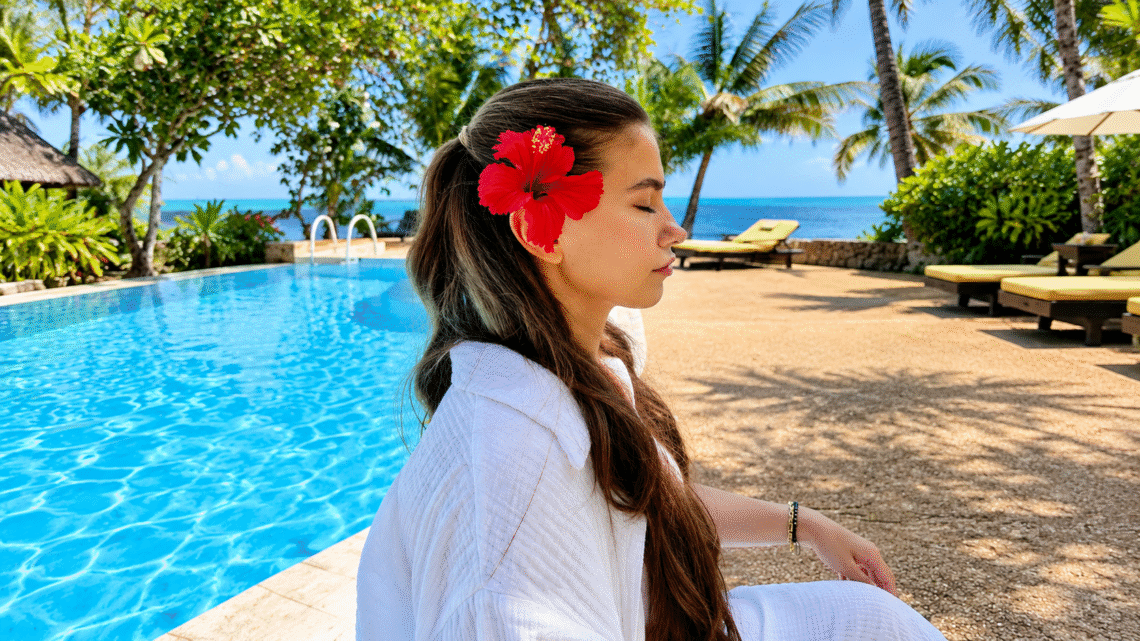
Thailand has become a popular destination for international yoga students because of its tropical surroundings, peaceful beaches, wellness culture and opportunities to deepen a personal yoga practice. Koh Samui, in particular, offers beautiful beaches and opportunities to enjoy yoga and other wellness activities. At Diksha Yoga School, our Thailand training takes place in Koh Samui.
However, choosing a school should involve more than looking at beautiful photographs, attractive course prices or a convenient location. The quality of your education, the experience of your teachers and the structure of your training will shape your development as a yoga practitioner and future teacher. Before booking, learn more about our experienced yoga teachers, Yogini Manisha, our founder, and how to prepare for yoga teacher training.
If you are considering a 200-hour Yoga Teacher Training in Thailand, this guide explains ten important things to check before choosing a Yoga Alliance Registered School and booking your course. You can also review the official Yoga Alliance RYS 200 standards and check upcoming course dates and fees before making your decision.
Table of Contents
1. Check Whether the Yoga School Is Registered with Yoga Alliance
One of the first things to check when researching a yoga teacher training school is its registration status with Yoga Alliance USA.
Yoga Alliance is an international membership organisation that maintains a registry of yoga teachers and yoga schools. Its Registered Yoga School (RYS) credentials identify training programmes that meet its published educational standards.
For a foundational teacher training programme, look for the RYS 200 designation. You can also review the official RYS credential standards before choosing a programme.
Before making a booking, take a few minutes to:
- Visit the official Yoga Alliance website.
- Open the Find a Yoga School directory.
- Search for the school’s exact name, such as Diksha Yoga School.
- Check its registration status and relevant credential.
- Confirm that the programme you intend to join corresponds to the school’s registered training level. For example, you can review Diksha Yoga School’s 200-hour Yoga Teacher Training in Koh Samui, Thailand and its course dates and fees.
You can verify schools directly through the official directory:
Why does this matter?
It helps you understand whether the school has a registered training programme and whether your intended course is associated with the appropriate school credential. You can also review the Yoga Alliance RYS credential standards to understand the registration requirements.
Remember that registration is an important starting point, not a guarantee that every aspect of a school’s teaching quality or student experience will be right for you.
2. Understand What Is Included in a 200-Hour Yoga Teacher Training
Not every 200-hour yoga teacher training programme offers the same learning experience. Compare the course curriculum, training structure and fees before choosing your school.
A good foundational programme should provide a balanced understanding of yoga practice, teaching skills, anatomy, philosophy and the practical knowledge needed to guide students safely.
Before booking, ask the school for its complete curriculum. You can also check the Yoga Alliance educational standards and review the school’s teaching team to understand who will guide your training.
A comprehensive 200-hour programme should address the following educational areas:
Yoga Asana and Practical Training
- Traditional Hatha Yoga
- Ashtanga Yoga foundations
- Vinyasa Flow
- Asana alignment and adjustments
- Correct posture techniques
- Sequencing and modifications
Pranayama and Meditation
- Nadi Shodhana
- Kapalabhati
- Bhastrika
- Ujjayi Pranayama
- Meditation techniques
- Mantra meditation
- Yoga Nidra
Yoga Philosophy
- Patanjali Yoga Sutras
- Eight Limbs of Yoga
- Bhagavad Gita introduction
- Hatha Yoga Pradipika
- Yogic lifestyle and ethics
Anatomy and Physiology
- Musculoskeletal anatomy
- Movement and joint mechanics
- Breathing and respiratory function
- Understanding common injuries
- Safe alignment and modifications
Teaching Methodology
- How to structure a yoga class
- Verbal instructions and demonstrations
- Voice modulation
- Class management
- Teaching practice
- Building confidence as a yoga teacher
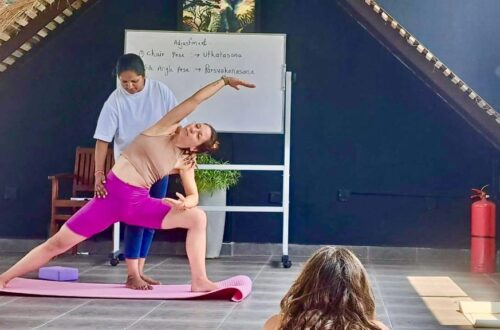
A well-structured curriculum should help you develop both your personal practice and the ability to guide other people. Explore how Diksha Yoga School approaches yoga education and teaching methodology.
3. Research the Experience and Qualifications of the Teachers
The teachers leading your training will have a significant influence on your learning experience. Learn more about the experienced yoga teachers at Diksha Yoga School and their teaching specialisations.
A beautiful yoga shala cannot replace knowledgeable, experienced and supportive teachers.
Before enrolling, research:
- How many years have the teachers been practising and teaching yoga?
- What qualifications and credentials do they hold? You can check the Yoga Alliance teacher profile of Yogini Manisha.
- Do they have experience conducting 200-hour teacher training programmes?
- Are they familiar with traditional yoga philosophy and teaching methodology? Read about Yoga Philosophy at Diksha Yoga School.
- Do they provide individual feedback and practical guidance? Learn more about the school’s teaching approach and experienced faculty.
Also, check who will actually teach the course rather than relying only on the qualifications of the school’s founder. You can explore the Diksha Yoga School teaching team to learn about the teachers and their areas of expertise.
At Diksha Yoga School, our teaching approach brings together traditional yogic knowledge and practical teaching experience. Our founder and lead teacher, Yogini Manisha, is an E-RYT 500 yoga teacher with more than 16 years of experience in teaching, training and mentoring yoga practitioners.
Our aim is to help students develop a deeper understanding of yoga rather than simply memorising postures. Read What Years of Teaching Can Teach You to understand why experience, observation and personal guidance matter in yoga education.
4. Look Beyond the Location and Choose the Right Learning Environment
Thailand offers many beautiful destinations for yoga teacher training, including Koh Samui, Chiang Mai, Phuket and other coastal locations. You can explore the official Thailand tourism destination guide to learn more about the country’s different regions.
However, the best destination is not necessarily the most popular one. Consider the kind of environment in which you would feel comfortable learning and practising every day. Read our guide on why Koh Samui is a great place for yoga teacher training to understand what makes the island suitable for a residential learning experience.
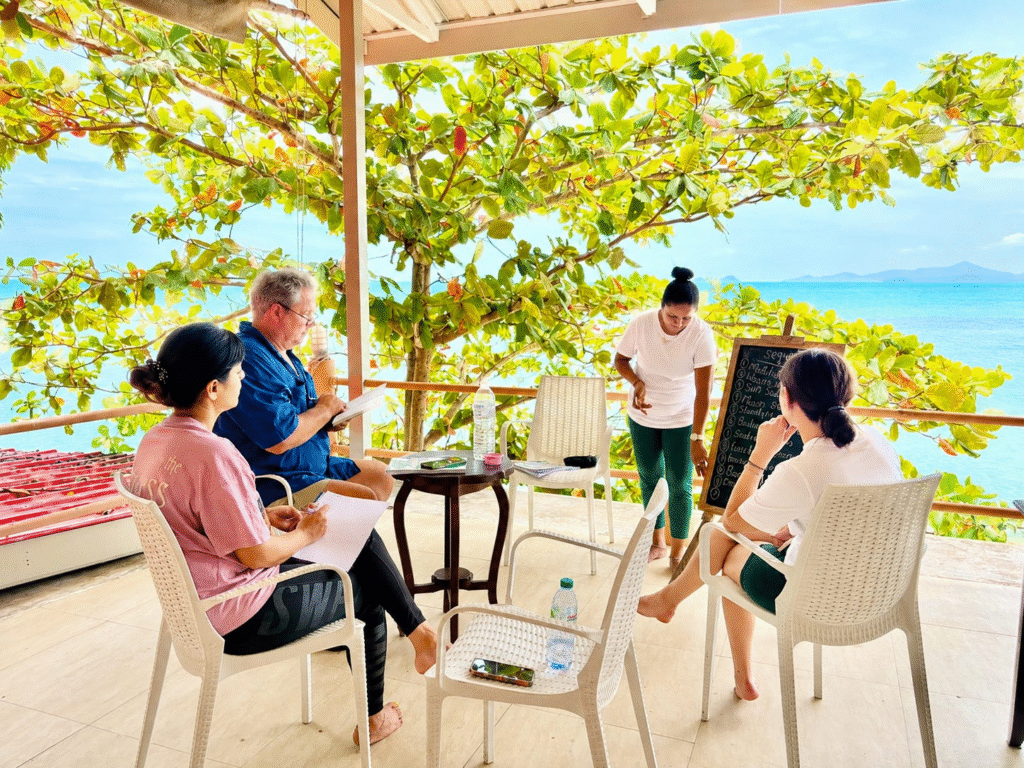
Koh Samui is an appealing destination for students who enjoy tropical surroundings, peaceful beaches and a wellness-focused lifestyle. At Diksha Yoga School’s 200-hour Yoga Teacher Training in Koh Samui, students train at Health Oasis Resort on Bang Por Beach, a quieter part of the island’s north coast. You can also read our Koh Samui yoga teacher training guide to learn more about the location and residential training environment.
When choosing a school, consider:
- Is the yoga practice space comfortable and suitable for daily training?
- Is the accommodation clean and peaceful?
- Are meals provided?
- Is there enough time for rest and personal reflection?
- Is the school conveniently located? Explore Koh Samui, Thailand.
- Does the environment support concentration and learning?
At Diksha Yoga School, our Thailand yoga teacher training programme in Koh Samui takes place at Health Oasis Resort, offering students an opportunity to study yoga while experiencing the island’s natural surroundings.
The intention is to create a welcoming residential learning environment where students can focus on their practice, studies and personal development.
5. Compare Course Fees and Understand What Is Included
Course fees are another important factor when choosing a yoga teacher training school in Thailand.
You may find programmes at very different price points. However, choosing the cheapest course without understanding what is included can lead to unexpected expenses. Read our detailed guide to Yoga Teacher Training in Thailand Cost 2026–27 to understand course prices and additional expenses.
Before booking, request a complete breakdown of the course package. You can also compare Diksha Yoga School’s course dates, fees and accommodation options.
Check whether the following are included:
- Yoga teacher training tuition
- Private or shared accommodation
- Two daily vegetarian meals
- Yoga training manual and study materials
- Yoga Alliance certificate upon successful completion
- Airport pickup, if included
- Excursions and cultural activities, if included
- Additional charges or optional services
Compare the overall value of the programme rather than tuition fees alone. Our guide to the cost of a 200-hour yoga teacher training in Thailand explains what is included and what students should budget for separately.
A residential programme that includes accommodation, meals and structured daily classes may offer a different overall value from a tuition-only course.
At Diksha Yoga School, we aim to make the training experience clear and transparent by sharing the course inclusions, accommodation options, dates and fees before students confirm their bookings.
6. Check the Daily Timetable and Training Duration
A 200-hour yoga teacher training requires commitment, discipline and consistent participation. Read more about the 200-hour Yoga Teacher Training in Thailand to understand the residential training experience.
Before choosing a school, ask for a sample daily timetable so you understand how your days will be structured. You can also review the school’s course dates and fees before booking.
A typical residential training day may include:
- Morning meditation and pranayama
- Hatha Yoga practice
- Breakfast and rest
- Yoga anatomy and philosophy
- Teaching methodology
- Lunch and personal time
- Vinyasa Flow practice
- Teaching practice and feedback
- Evening meditation or self-study
The actual timetable will vary depending on the school and programme.
Also, check the total programme hours, training dates, attendance requirements and assessment arrangements. Review the Yoga Alliance RYS 200 credential standards and confirm the school’s registration details.
Do not assume that the number of calendar days alone establishes that a programme meets the required 200-hour training standards. The school should be able to explain how its curriculum and instructional hours are structured.
7. Read Genuine Student Reviews and Testimonials
Student reviews can help you understand what it is actually like to study at a particular yoga school. Read genuine student experiences at Diksha Yoga School to learn how previous students describe their yoga teacher training journey.
Look beyond the overall star rating and read detailed experiences from previous students. You can also explore what students say about their experience at Diksha Yoga School.
Pay attention to comments about:
- Teacher knowledge and teaching style
- Quality of practical training
- Individual attention
- Accommodation and food
- Organisation and communication
- Student support
- Overall learning experience
You can also look for photographs and videos shared by previous students in the school’s student gallery.
If possible, ask the school whether you can speak with a former student about their experience.
A trustworthy school should be comfortable answering questions about its training programme and student experience. You can also learn more about the Diksha Yoga School teaching team before making your decision.
8. Understand the Difference Between Hatha, Ashtanga and Vinyasa Yoga
Before choosing your training, consider which yoga styles you want to study. Read our guide to Hatha vs Vinyasa Yoga in a 200-hour Yoga Teacher Training in Thailand to understand the differences between these approaches. You can also explore our detailed guide to Ashtanga Vinyasa Flow Yoga.
A good 200-hour foundational programme can introduce you to different approaches to practice and teaching. Explore the yoga styles and teaching specialisations at Diksha Yoga School to learn more.
Traditional Hatha Yoga
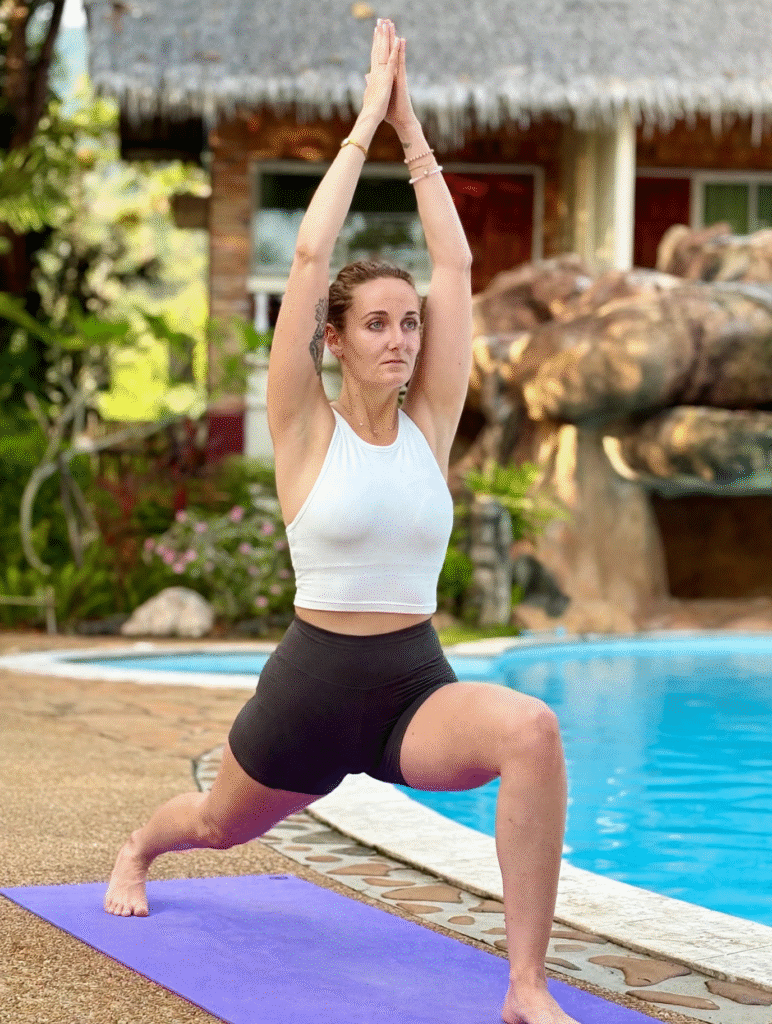
Hatha Yoga provides a foundation for understanding asanas, alignment, breathing techniques and the relationship between body and mind.
It is especially valuable for developing awareness, stability and a deeper understanding of individual postures.
Ashtanga Yoga
Ashtanga Yoga introduces students to a structured approach to asana practice, linking movement with breath and developing strength, discipline and concentration.
Vinyasa Flow
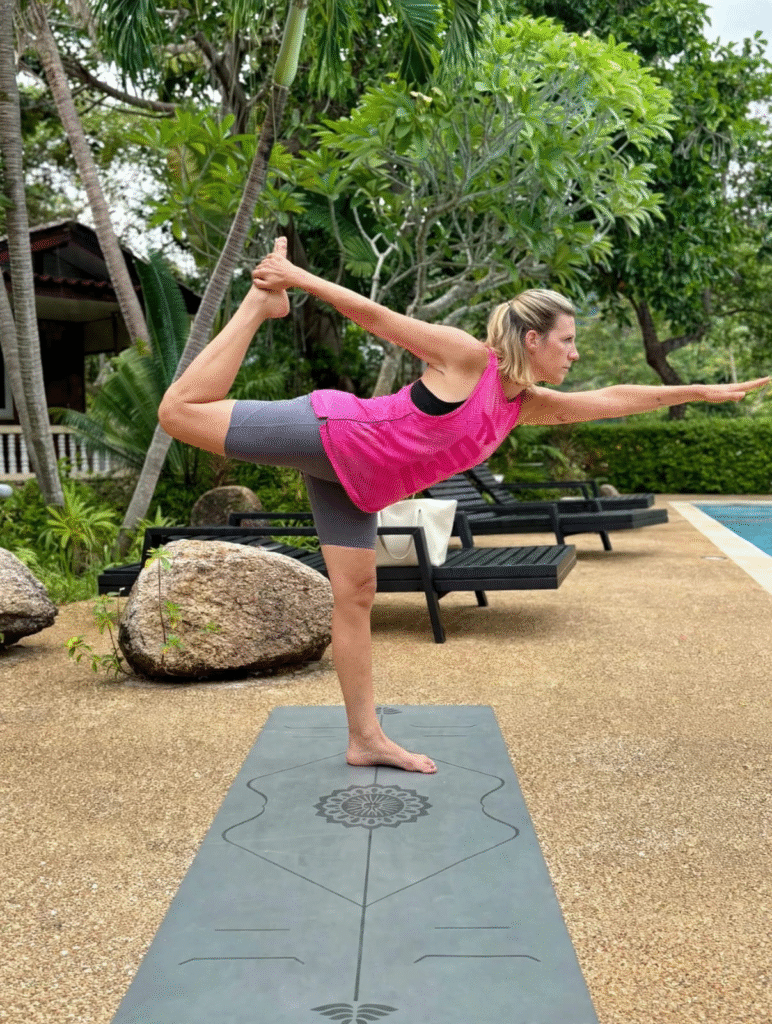
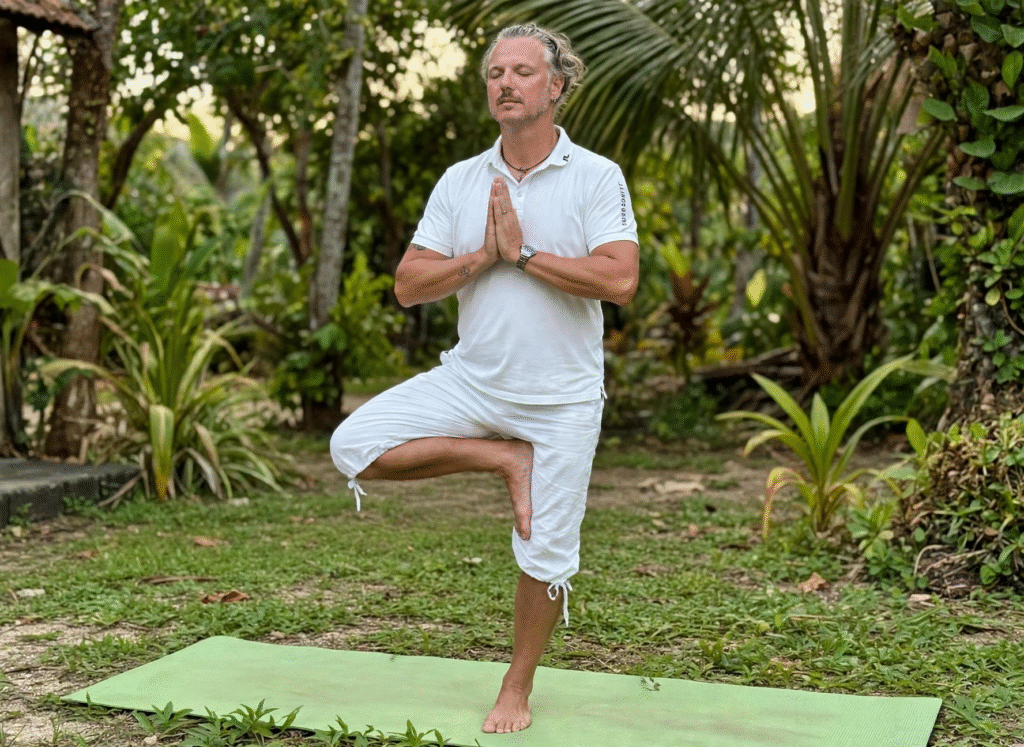
Vinyasa Flow connects breath with movement through creative sequences.
Students learn how to create balanced classes, understand transitions and develop their own teaching style.
At Diksha Yoga School, our 200-hour Yoga Teacher Training in Thailand introduces students to Traditional Hatha Yoga, Ashtanga foundations and Vinyasa Flow.
This combination helps students explore different aspects of yoga while building a strong foundation for their future teaching journey.
9. Ask About Teaching Practice and Personal Feedback
One of the most important parts of becoming a yoga teacher is learning how to teach other people.
Practising asanas yourself is different from guiding a class.
Your training should give you opportunities to practise teaching, receive feedback and improve your communication skills. Learn more about teaching methodology and practical training at Diksha Yoga School.
Ask the school:
- How many teaching practice sessions are included?
- Will students practise teaching in small groups?
- Will teachers provide individual feedback?
- Will you learn how to plan and sequence a class?
- Will you practise giving verbal instructions and demonstrations?
- How are students assessed before graduation?
A supportive learning environment should encourage students to make mistakes, ask questions and gradually develop confidence.
At Diksha Yoga School, we believe that teaching is a skill that develops through practice, observation, guidance and self-reflection.
Our approach encourages students to understand the principles behind each practice rather than simply copying the teacher. Read more about our yoga teaching philosophy and student development.
10. Choose a School That Supports Your Learning Journey
Your relationship with a yoga school should not end when the training programme finishes. At Diksha Yoga School, students become part of an international yoga community that encourages continued learning and connection after graduation.
A good school should help you understand your next steps and encourage continued learning.
Before booking, find out whether the school offers:
- Guidance for beginning your yoga teaching journey
- Support with understanding Yoga Alliance registration
- Recommendations for further yoga teacher training
- Opportunities for continued practice
- Access to learning resources
- Guidance from experienced teachers through continued mentorship and community support
Also, understand the certification process.
Completing an eligible 200-hour programme at a Registered Yoga School is the training requirement for applying for the RYT 200 credential. Students must complete the programme and meet the applicable Yoga Alliance membership and application requirements.
The school’s training certificate and an individual Yoga Alliance teacher credential are not the same thing. Read the official Yoga Alliance certificate requirements for RYT registration to understand the difference.
A professional school should explain this clearly before you enrol.
Why Choose Diksha Yoga School for Your 200-Hour Yoga Teacher Training in Thailand?
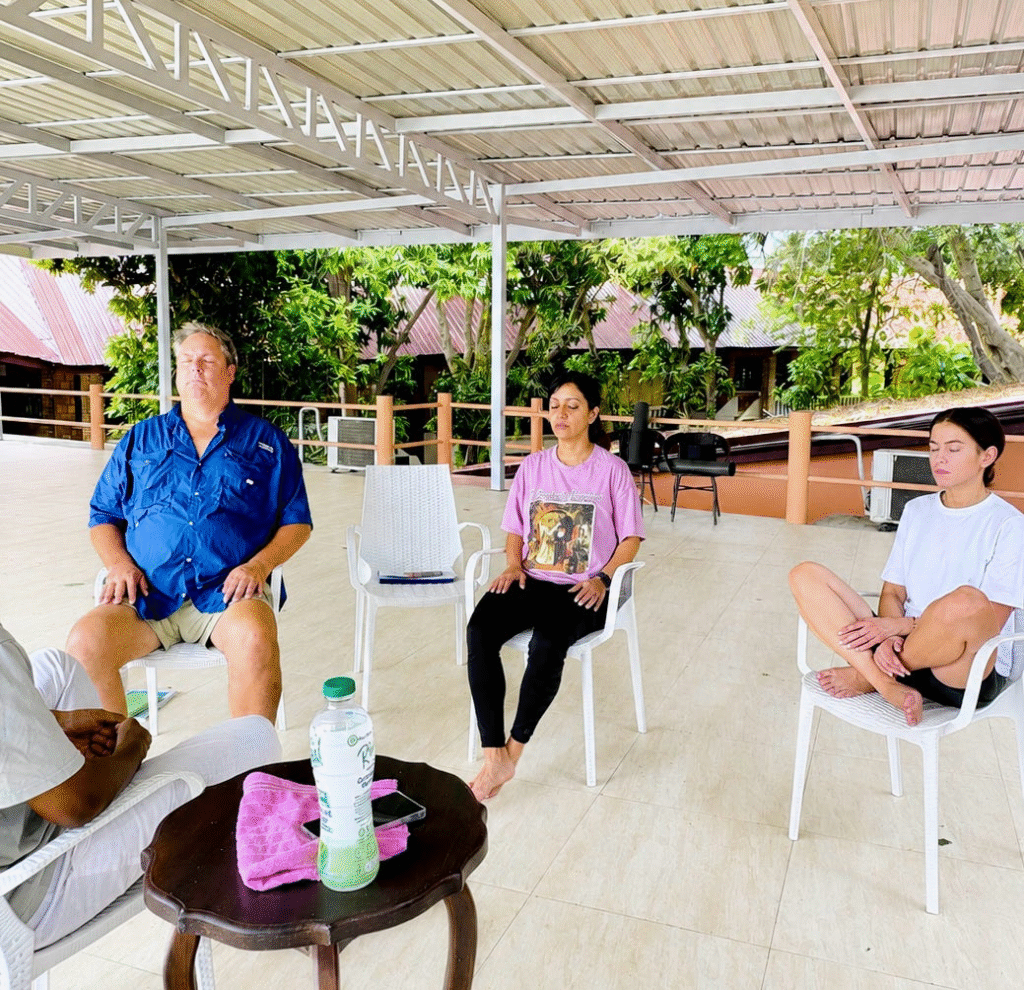
Choosing a yoga teacher training school is a personal decision. At Diksha Yoga School, we aim to provide an authentic and supportive learning experience that combines traditional yogic wisdom with practical teaching methods.
Our 200-hour Yoga Teacher Training programme in Koh Samui, Thailand is designed for students who want to deepen their personal practice, understand yoga philosophy and develop the confidence to guide others. Learn more about our founder and lead teacher, Yogini Manisha, and explore our course dates and fees before booking.
Learn from Experienced Yoga Teachers
Our founder and lead teacher, Yogini Manisha, brings more than 16 years of experience in teaching, training and mentoring yoga practitioners. You can also read Meet Yogini Manisha to learn more about her teaching journey and experience.
Her approach combines traditional Hatha Yoga, Vinyasa Flow, pranayama, meditation, philosophy and practical teaching methodology.
Explore Different Yoga Traditions
Our 200-hour Yoga Teacher Training programme in Thailand introduces students to:
- Traditional Hatha Yoga
- Ashtanga Yoga foundations
- Vinyasa Flow
- Pranayama and meditation
- Yoga philosophy
- Anatomy and alignment
- Teaching methodology and practice
Residential Learning Experience
Students can focus on their studies in a peaceful tropical environment.
Depending on the selected package, accommodation and meal inclusions are provided as part of the residential training experience.
Small and Supportive Learning Environment
We value meaningful interaction between teachers and students.
Our intention is to provide personal guidance, encourage questions and help every student develop confidence throughout the training. Learn more about our experienced yoga teachers and their individual guidance.
Continue Your Yoga Journey
Completing a 200-hour training is an important beginning. We encourage our students to continue exploring yoga, developing their teaching abilities and deepening their understanding of traditional practices. Explore our 300-hour advanced yoga teacher training programmes for further study.
If you are looking for a residential yoga teacher training in Thailand, we would be happy to share our curriculum, upcoming dates, accommodation options and course fees, and complete course information.
Frequently Asked Questions About Choosing a Yoga Alliance Registered School in Thailand
1. How do I check whether a yoga school in Thailand is registered with Yoga Alliance?
Visit the official Yoga Alliance website and use its Find a Yoga School directory. Search by the school’s name or location and check the relevant RYS designation and current registration information. You can also view the Diksha Yoga School official Yoga Alliance profile.
2. What does RYS 200 mean?
RYS 200 stands for Registered Yoga School at the 200-hour level. It identifies a school with a registered foundational yoga teacher training programme that meets the applicable Yoga Alliance RYS 200 standards.
3. Is a Yoga Alliance Registered School the same as a government-accredited university?
No. Yoga Alliance registration is a professional credentialing and registry system for yoga schools and teachers. It should not be confused with government university accreditation or a state-issued teaching licence. Learn more about Yoga Alliance and its credentialing system.
4. Can international students join a 200-hour yoga teacher training in Thailand?
Yes. International students can enrol in eligible residential programmes in Thailand. They should check the school’s 200-hour Yoga Teacher Training in Thailand, entry requirements, travel arrangements and applicable Thai visa conditions before travelling.
5. What is the duration of a 200-hour yoga teacher training in Thailand?
The duration varies between schools. Many residential programmes run for approximately three to four weeks. Always check the actual instructional hours, curriculum, attendance and assessment requirements. At Diksha Yoga School, the 200-hour Koh Samui programme runs for 23 days. Check the upcoming training dates before booking.
6. What yoga styles should I learn during a 200-hour teacher training?
A foundational programme can include Hatha Yoga, Vinyasa Flow and other traditional approaches. Ashtanga foundations, pranayama, meditation, anatomy, philosophy and teaching methodology are also valuable areas of study. Explore the 200-hour Thailand training curriculum to learn about the subjects covered at Diksha Yoga School.
7. Does the course fee include accommodation and meals?
This depends on the school and package selected. Some residential programmes include accommodation and daily meals, while others charge separately. Always request a written list of inclusions before booking. Review Diksha Yoga School’s Thailand course fees and inclusions and compare the available accommodation options and course packages.
8. Can I teach yoga after completing a 200-hour course?
Completing an eligible 200-hour programme allows you to apply for the RYT 200 credential with Yoga Alliance, subject to its registration requirements. Your ability to teach professionally may also depend on local laws, employer requirements and your practical teaching competence. Read the official Yoga Alliance certificate requirements before applying.
9. Is Koh Samui a good destination for yoga teacher training?
Koh Samui offers tropical surroundings, beaches and a wellness-oriented atmosphere. It can be a wonderful setting for students who want to combine structured yoga education with a peaceful residential experience. Explore Diksha Yoga School’s 200-hour yoga teacher training in Koh Samui to learn more about the location.
10. How can I book a 200-hour yoga teacher training with Diksha Yoga School?
You can contact Diksha Yoga School directly to request the latest course dates, curriculum, fees and accommodation details. You can also check our course schedule and fees. Our team will help you understand the programme and guide you through the booking process.
Begin Your Yoga Teacher Training Journey in Thailand
Choosing the right yoga school is about finding a place where you feel supported, inspired and encouraged to grow.
Take the time to research the curriculum, meet the teachers, compare course inclusions and fees and understand the certification process before making your decision.
At Diksha Yoga School, we welcome students from different backgrounds and countries who wish to explore yoga beyond physical postures and develop a deeper connection to traditional yogic practices.
If you are considering a 200-hour Yoga Teacher Training in Koh Samui, Thailand, we would love to hear from you.
Explore our 200-hour Yoga Teacher Training in Thailand and contact our team for upcoming dates, course fees and availability.
Your journey towards becoming a yoga teacher can begin with the right learning environment, dedicated teachers and a willingness to grow.
Namaste. 🙏