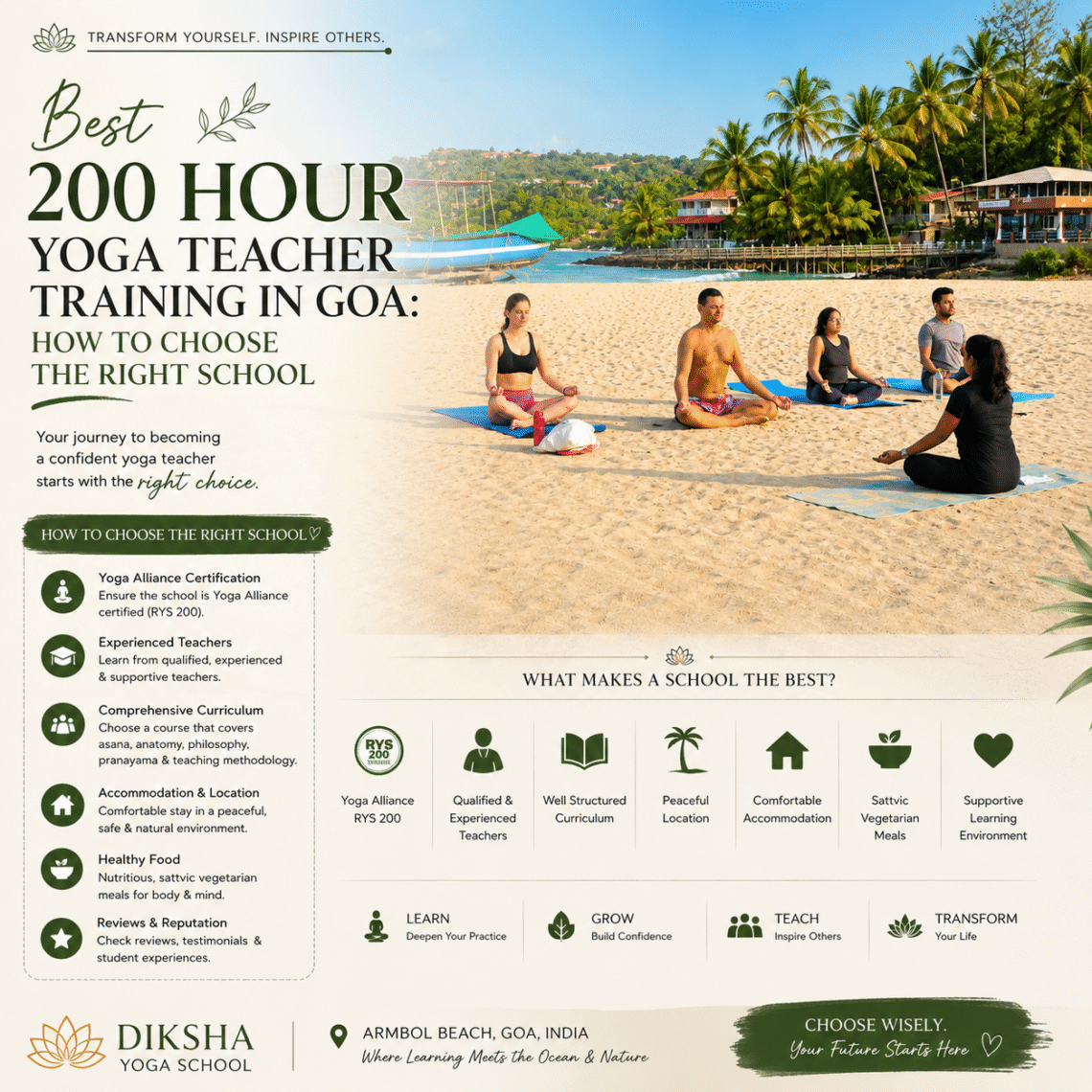
How to Choose the Right School a 200 Hour Yoga Teacher Training in Goa is a major decision. You are not simply choosing a course, a certificate, or a beautiful place to practice yoga.
You are choosing teachers, a learning environment, a curriculum, a daily lifestyle, and an experience that can influence how you understand and teach yoga for years to come . Goa has become one of India’s most popular destinations for yoga teacher training, with schools offering different teaching styles, accommodation options, certification pathways, class structures, and philosophies. Some programs are highly traditional, some emphasise modern teaching methodology, while others focus on particular styles such as Ashtanga, Vinyasa, Yin, or therapeutic approaches.
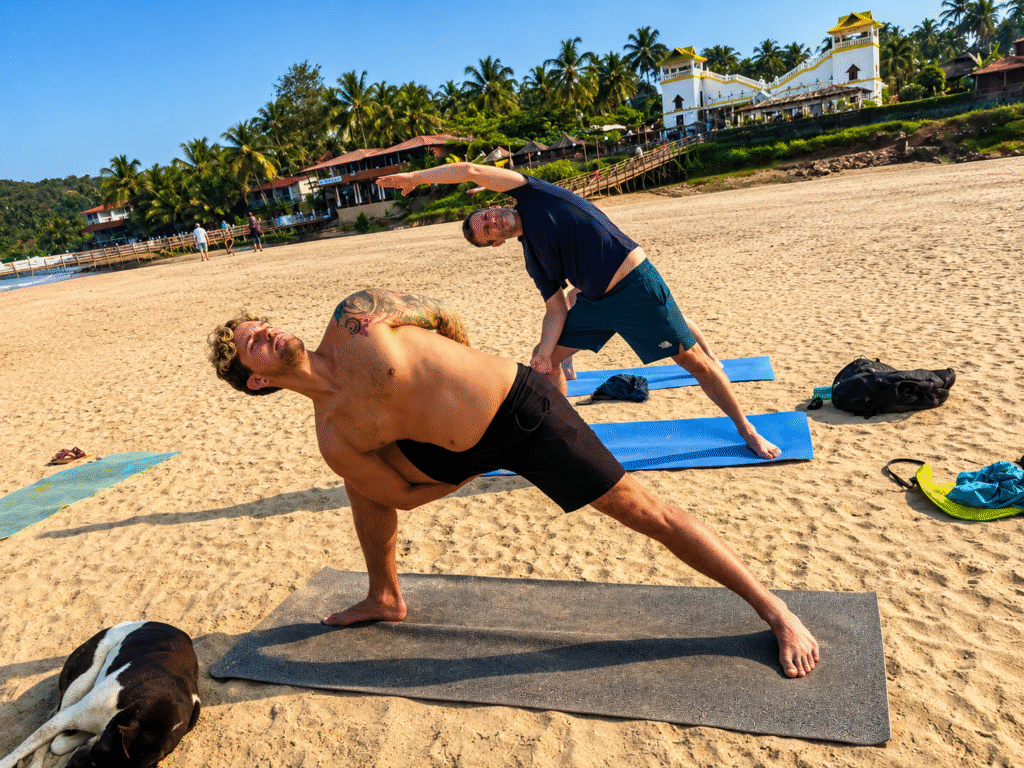
Table of Contents
So how do you choose the right one?
The answer is not simply to search for the school with the word “best” in its title.
A genuinely good 200-hour yoga teacher training should give you something much more valuable: knowledge you can understand, skills you can practice, teachers who can guide you, and the confidence to continue your yoga journey independently.
At Diksha Yoga School, our approach is rooted in this principle. Our 23-day residential program in Arambol, Goa combines traditional Hatha Yoga, Ashtanga, Vinyasa Flow, Pranayama, Meditation, Yoga Philosophy, Anatomy, Alignment, Ayurveda, and Teaching Methodology with practical teaching experience and personal guidance.
This guide explains exactly what to look for before choosing a 200-hour yoga teacher training in Goa.
About the Author
Yogini Manisha Founder & Lead Teacher, Diksha Yoga School
Yogini Manisha is the founder and lead teacher of Diksha Yoga School, with 16+ years of experience in yoga teaching, teacher training, and student mentorship. Her teaching approach combines traditional Hatha Yoga, Vinyasa Flow, Pranayama, Meditation, Yoga Philosophy and yogic practices with practical teaching methodology, alignment and anatomy.
Over the years, she has guided and trained thousands of yoga practitioners and aspiring teachers through immersive yoga education in India and across Asia. Her approach focuses on helping students understand yoga beyond physical postures, while developing awareness, confidence, teaching skills and a deeper connection with traditional yogic knowledge.
Areas of expertise: Traditional Hatha Yoga • Vinyasa Flow • Pranayama • Meditation • Yoga Philosophy • Alignment • Anatomy • Teaching Methodology
Role: Founder & Lead Teacher, Diksha Yoga School
Experience: 16+ years of yoga teaching and mentorship
What Is a 200 Hour Yoga Teacher Training?
A 200-hour yoga teacher training is an intensive educational program designed to develop a strong foundation in yoga practice, philosophy, anatomy, teaching methodology, pranayama, meditation, alignment, and practical teaching.
For many students, it is also a personal journey.
You may arrive wanting to become a yoga teacher and discover that the training also changes the way you understand your own body, breath, mind, habits, relationships, and daily life.
A strong program should therefore go beyond teaching you a collection of yoga postures.
You should learn:
- How to practice asana safely
- How to understand alignment and modifications
- How to work with breath through pranayama
- How to introduce meditation
- How to understand traditional yoga philosophy
- How anatomy relates to movement
- How to sequence a yoga class
- How to give clear instructions
- How to communicate with different students
- How to observe and support students safely
- How to develop your own authentic teaching voice
- How to approach yoga as a complete discipline rather than only physical exercise
Diksha Yoga School’s current Goa program is structured as a 23-day residential training and includes Hatha, Ashtanga and Vinyasa practices alongside philosophy, anatomy, meditation, pranayama, Ayurveda and teaching methodology.
10 Things to Check Before Choosing a 200 Hour Yoga Teacher Training in Goa
How to Compare 200 Hour Yoga Teacher Training Schools in Goa
Choosing between yoga schools in Goa can be difficult because many programs appear similar on the surface. A better approach is to compare the areas that actually affect your education and daily experience.
| What to Compare | What to Look For |
| Teachers | Experience, teaching background, yoga tradition and direct student interaction |
| Curriculum | Asana, pranayama, meditation, philosophy, anatomy and teaching methodology |
| Teaching Practice | Opportunities to teach, receive feedback and develop sequencing skills |
| Class Size | Enough personal attention for questions, corrections and individual guidance |
| Yoga Tradition | Whether the school teaches yoga as a complete discipline rather than only physical postures |
| Certification | Verify the school’s current registration and exactly what certificate the course provides |
| Accommodation | Room options, cleanliness, comfort and learning environment |
| Food | Meal plan, dietary requirements and suitability for residential training |
| Student Support | Communication before arrival and support during the course |
| Teaching Philosophy | Whether the school’s approach matches your goals and values |
| Practical Experience | Whether you actually practice teaching rather than only study theory |
| Student Experience | Specific, authentic testimonials and first-hand evidence |
Thereis no single “best” yoga school for every student. The right school depends on your previous experience, teaching goals, preferred yoga tradition, budget, learning style and the type of environment in which you learn best.
1. Check Who Is Actually Teaching You
The school matters, but the teachers matter even more.
Before booking, investigate:
- Who are the lead teachers?
- How long have they been teaching?
- What traditions have they studied?
- Do they teach regularly?
- Do they have practical experience working with beginners?
- Will you actually learn directly from experienced teachers?
- Is there personal interaction during the training?
A beautiful location cannot compensate for weak teaching.
Yoga teacher training is an educational experience. You should know who will be responsible for your education before paying a deposit.
Why teacher experience matters at Diksha Yoga School
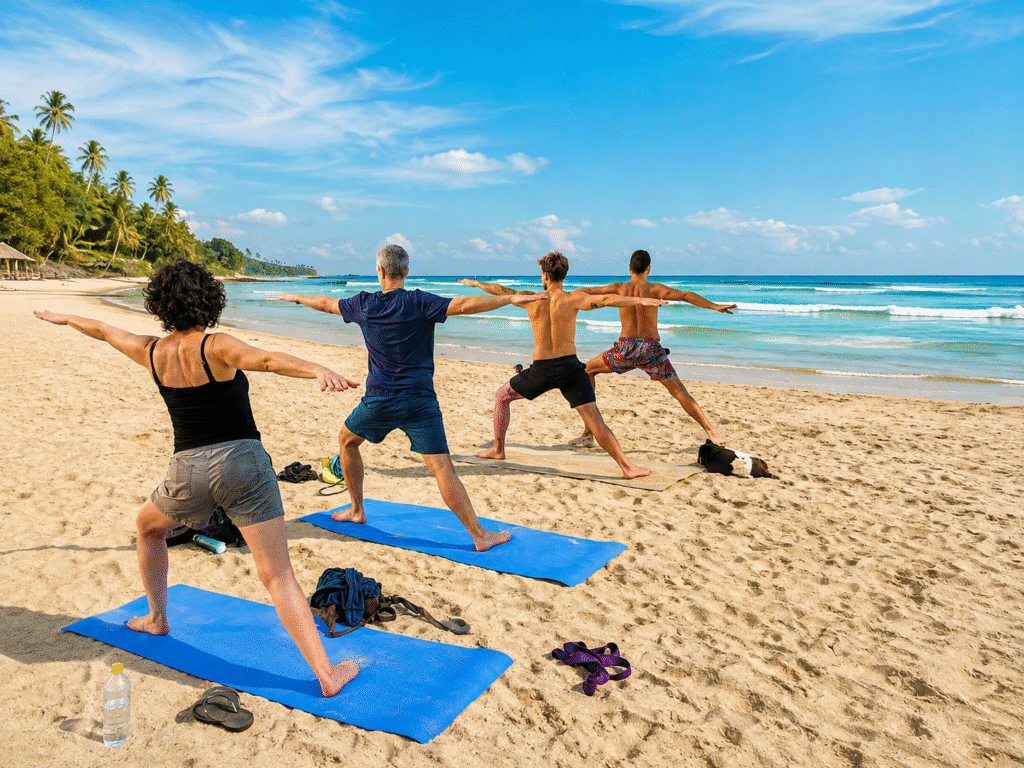
Diksha Yoga School grew from a yoga teaching journey that began in Goa and has developed into an international yoga community across Asia. The school’s founder, Yogini Manisha, has more than 16 years of teaching experience, and Diksha currently states that more than 23,000 students have been trained.
But experience is not only about a number.
For us, teaching experience means understanding that every student learns differently.
Some students need more alignment guidance.
Some need help building confidence.
Some understand asana quickly but struggle with philosophy.
Others are naturally flexible but need to develop awareness, stability, patience, or teaching communication.
Good teacher training recognizes these differences.
2. Look Beyond the Word “Yoga Alliance”
Yoga Alliance registration can be an important factor when comparing teacher-training schools, but it should not be your only criterion.
Ask:
- Is the school currently registered?
- What designation does it hold?
- What does the specific course provide?
- What does the certification mean for your intended career?
- Does the curriculum provide substantial practical education?
- Who is actually teaching the course?
- How much teaching practice is included?
Diksha Yoga School’s Goa 200-hour program is presented as an RYS 200 program and provides a 200-hour certificate upon successful completion.
Certification should be viewed as one part of your education—not the entire purpose of it.
A certificate may open a door.
Your knowledge, teaching ability, confidence, ethics, and practical experience determine what you can do after walking through that door.
3. Study the Curriculum Carefully
One of the biggest mistakes students make is choosing a course based only on its location, photographs, accommodation, or price.
Read the curriculum.
A serious 200-hour program should provide a balanced education.
Asana
Look for:
- Traditional Hatha Yoga
- Vinyasa Flow
- Ashtanga foundations
- Alignment
- Modifications
- Safe practice
- Sequencing
- Teaching application
You should understand both the theory and practical application of traditional breathing practices.
A good program should introduce meditation as a genuine yogic practice rather than simply using relaxation techniques.
Look for meaningful study of traditional sources such as:
- Patanjali’s Yoga Sutras
- Bhagavad Gita
- Hatha Yoga traditions
- Eight Limbs of Yoga
- Yamas and Niyamas
- Yogic lifestyle
You should understand enough functional anatomy to teach movement more responsibly.
Teaching Methodology
This is one of the most important parts of teacher training.
You should learn:
- Verbal cueing
- Demonstration
- Class planning
- Sequencing
- Observation
- Communication
- Adjustments
- Modifications
- Teaching presence
- Managing different student levels
Diksha’s Goa curriculum combines asana, philosophy, yogic lifestyle and ethics, alignment, adjustments, teaching methodology, pranayama, meditation and Ayurveda.
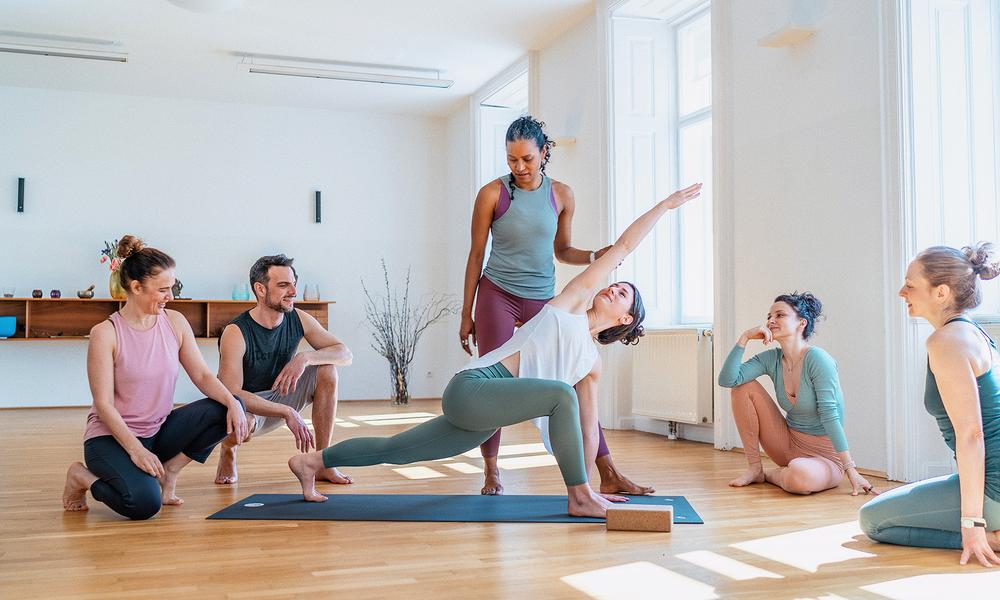
4. Make Sure You Actually Practice Teaching
There is a major difference between learning about teaching and actually teaching.
Before choosing a school, ask:
How much practical teaching experience will I receive during the course?
You should have opportunities to:
- Teach short sequences
- Practice giving instructions
- Receive teacher feedback
- Work with classmates
- Build a class sequence
- Practice modifications
- Develop confidence speaking in front of a group
- Learn how to observe students
Teaching practice is where theoretical knowledge starts becoming a real skill.
At Diksha Yoga School, teaching practicum is included as part of the residential program
5. Ask About Class Size and Personal Attention
Two schools may offer the same number of training hours but provide completely different learning experiences.
Imagine one class where students rarely have an opportunity to ask questions.
Now compare that with a smaller learning environment where teachers can observe your alignment, listen to your questions, correct your technique, and give individual feedback.
For teacher training, personal attention can make a significant difference.
Diksha Yoga School emphasizes small-group learning and personalized guidance as part of its Goa training approach.
Ask the school directly:
“How many students will be in my batch?”
That simple question can tell you a lot.
6. Understand What Is Actually Included in the Price
Never compare yoga teacher training prices without comparing what you receive.
A lower headline price does not necessarily mean better value.
Check whether the fee includes:
- Tuition
- Accommodation
- Meals
- Course manual
- Yoga practice
- Teaching practicum
- Assessment
- Certification
- Wi-Fi
- Airport assistance
- Excursions
- Other student support
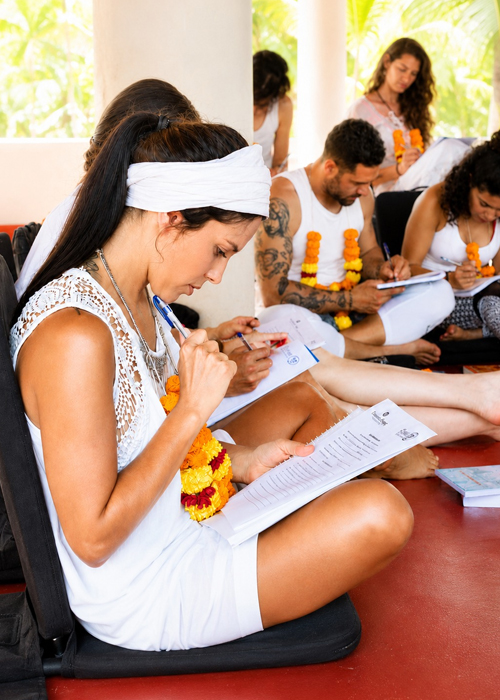
Diksha’s current Goa 200-hour page lists residential accommodation, vegetarian meals, a course manual, teaching practicum, assessment and certification, Wi-Fi, student support, and local excursions among its course inclusions.
The important question is not:
“Which school is cheapest?”
It is:
“Which program provides the strongest overall educational value for what I want to achieve?”
7. Consider the Location—but Don’t Choose Only for Instagram
Goa is beautiful, but your training environment should support your learning.
Think about:
- Noise levels
- Climate
- Access to nature
- Distance from the beach
- Accommodation
- Food
- Daily routine
- Community
- Opportunities for quiet reflection
The ideal environment allows you to step away from your normal routine and concentrate on your practice.
Diksha’s current Goa program is based at The Lotus Sutra in Arambol Beach, combining residential training with a coastal environment and an international yoga community.
But the location is only part of the experience.
The real value is what happens inside the classroom and within your daily practice.
8. Find Out Whether the School Teaches Yoga as a Complete Discipline
Yoga is much more than physical flexibility.
If a school talks almost exclusively about advanced postures, ask yourself whether you are receiving a complete yoga education.
Traditional yoga also involves:
- Breath
- Meditation
- Ethics
- Self-discipline
- Awareness
- Philosophy
- Concentration
- Lifestyle
- Self-study
- Compassion
- Inner transformation
At Diksha Yoga School, the educational approach combines traditional yogic teachings with modern teaching methodology. The school’s philosophy emphasizes that yoga is more than mastering postures and that training should support self-awareness, discipline, compassion and transformation.
This distinction is important.
A yoga teacher should not only demonstrate a posture. A yoga teacher should understand what they are teaching and why they are teaching it.
9. Look for a School That Helps You Develop Your Own Teaching Voice
One of the most valuable outcomes of a good teacher training is not learning to copy your teacher.
It is learning how to teach responsibly in your own voice.
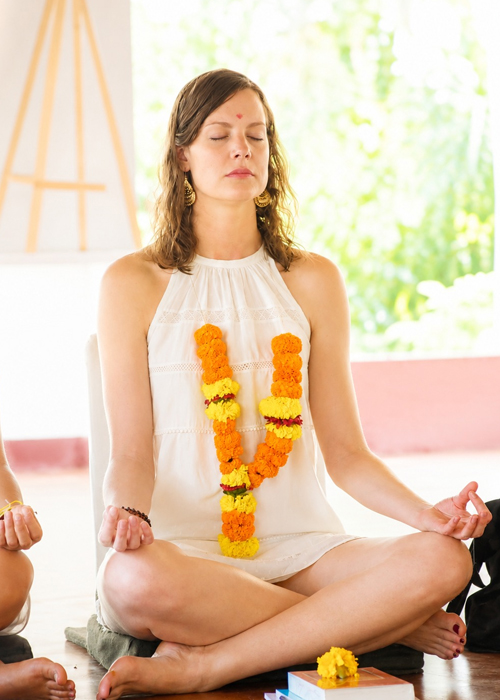
At Diksha Yoga School, Yogini Manisha describes the school’s teaching philosophy as creating a learning environment where students are encouraged to ask questions, explore ideas, and develop their own authentic teaching voice rather than simply copying another teacher.
This matters because every future teacher will eventually face a classroom containing different bodies, personalities, abilities and learning styles.
You need principles—not scripts.
You need understanding—not imitation.
A Real Learning Experience at Diksha Yoga School
At Diksha Yoga School, teacher training is not limited to listening to lectures or practicing asanas. Students are expected to participate, ask questions, teach, receive feedback and reflect on their own development.
During teaching practice, a student may initially feel confident demonstrating asanas but become less confident when asked to create and teach a complete sequence. Instead of simply providing the answer, the teacher guides the student through the reasoning behind sequencing, transitions, verbal cues and modifications. The student then teaches the sequence again and receives specific feedback.
What the student learns from this process
- How to structure a class
- How to give clearer instructions
- How to observe students
- How to offer modifications
- How to manage transitions
- How to develop confidence
- How to understand the reasoning behind a sequence
10. Read Student Experiences—But Look for Specificity
Testimonials can be useful, but don’t judge a school only by five-star ratings.
Look for detailed student experiences.
Ask:
- What did the student actually learn?
- Did the teachers provide individual support?
- How was the daily schedule?
- What was the accommodation like?
- Was the curriculum practical?
- Did the student gain confidence teaching?
- Did the training change their personal practice?
Specific experiences are more useful than generic statements such as:
“Amazing course!”
A strong school should be able to show evidence of the student experience through authentic testimonials, photographs, teaching environments, and real educational details.
What Makes Diksha Yoga School Different?
There are many yoga schools in Goa, and students should compare them carefully.
At Diksha Yoga School, our difference is not simply the destination.
It is the combination of traditional yoga education, experienced teaching, personal mentorship, practical learning, and a student-centered approach.
16+ Years of Teaching Experience
Diksha’s journey began in Goa and has developed into an international yoga community across Asia. The school currently describes more than 16 years of authentic yoga teaching experience.
A Founder-Led Teaching Philosophy
Yogini Manisha’s approach emphasizes education beyond certification.
The objective is to help students become more confident, self-aware and capable of developing their own authentic relationship with yoga and teaching.
Traditional Yoga + Modern Teaching Methodology
Diksha’s programs combine traditional Hatha Yoga, Ashtanga, Vinyasa, Pranayama, Meditation and Yoga Philosophy with Anatomy, Alignment and contemporary teaching methodology.
Small-Group Learning
Students receive personalized guidance rather than being treated simply as names on a course attendance list.
Practical Teaching
A teacher-training course should prepare you to teach—not only pass an examination.
Teaching practicum is therefore an important part of the Diksha approach.
A Learning Experience Beyond the Certificate
The certificate is important, but it should not be the finish line.
The deeper objective is to leave the training with:
- Greater self-awareness
- Better understanding of yoga
- Stronger personal practice
- Better communication
- Teaching confidence
- Practical classroom skills
- Respect for traditional teachings
- A foundation for continued learning
200 Hour Yoga Teacher Training in Goa: Questions to Ask Before Booking
Before you pay your deposit, send the school these questions.
1. Who will teach my course?
Ask for teacher names and professional backgrounds.
2. How large is the batch?
Ask for the expected number of students.
3. What exactly is included?
Request a complete list of inclusions and exclusions.
4. How much teaching practice is included?
Don’t accept only theoretical teaching methodology.
5. What yoga styles are taught?
Check whether they match your goals.
6. How much philosophy is included?
If traditional yoga matters to you, this is important.
7. What accommodation will I receive?
Ask about room types and facilities.
8. What meals are included?
Ask about meal frequency and dietary options.
9. What happens if I struggle with a posture?
A good school should have a clear approach to modifications and individual support.
10. What happens after graduation?
Ask about continued learning, community, advanced training and teacher development.
Who Should Choose a 200 Hour Yoga Teacher Training in Goa?
A 200-hour residential training may be suitable if you are:
- A complete beginner who wants a structured immersion
- An existing yoga practitioner
- Someone interested in becoming a yoga teacher
- A fitness professional
- A wellness professional
- Someone wanting a deeper personal practice
- Someone interested in traditional yoga philosophy
- Someone looking for an immersive residential experience
- Someone considering further 300-hour or advanced yoga education
You do not need to arrive as a perfect yoga practitioner.
You need curiosity, commitment, willingness to learn, and respect for the practice.
What Should You NOT Use to Choose a Yoga School?
Avoid choosing a school based only on:
- The lowest price
- The most beautiful Instagram photographs
- The word “best” in the title
- A large number of generic testimonials
- A famous location
- A long list of yoga poses
- Claims without evidence
- A certificate without meaningful practical education
Instead, compare teachers + curriculum + teaching practice + learn ing environment + accommodation + student support + certification + educational philosophy.
That gives you a much more realistic picture of the school.

Goa or Another Yoga Destination?
Goa is not the only place to complete a 200-hour yoga teacher training.
Students also consider destinations such as:
- Rishikesh
- Bali
- Sri Lanka
- Thailand
- Nepal
The right destination depends on what you want from your experience.
If you want a combination of traditional yoga education, tropical surroundings, residential learning, international community and the unique culture of Goa, then Goa can be an excellent choice.
Diksha Yoga School also operates training programs in other destinations, so students can compare locations according to their goals rather than choosing a destination simply because it is fashionable.
How to Choose the Right 200 Hour Yoga Teacher Training in Goa: Final Checklist
Before booking, make sure you can answer yes to most of these:
- Does the school have experienced teachers?
- Is the school properly registered for the certification it offers?
- Is the curriculum comprehensive?
- Does it include philosophy?
- Does it include anatomy?
- Does it include pranayama and meditation?
- Does it include teaching methodology?
- Does it include practical teaching?
- Is there personal guidance?
- Is the batch size reasonable?
- Is accommodation clearly explained?
- Are meals clearly explained?
- Are all inclusions transparent?
- Can you verify the teachers?
- Can you find genuine student experiences?
- Does the teaching philosophy match your values?
- Will you leave with practical teaching confidence rather than only a certificate?
If the answer is yes, you are much closer to finding the right program.
Why Diksha Yoga School in Goa?
Choosing a yoga teacher training is ultimately a personal decision.
At Diksha Yoga School, our purpose is not simply to help students complete 200 hours.
We want students to understand why they practice, what they teach, how they teach, and how they continue learning after graduation.
Our Goa 200-hour training brings together traditional Hatha Yoga, Ashtanga, Vinyasa Flow, Pranayama, Meditation, Yoga Philosophy, Anatomy, Ayurveda, Alignment and Teaching Methodology within a 23-day residential experience.
The learning is supported by experienced teachers, small-group attention, practical teaching, a residential environment and an international student community.
Most importantly, we encourage students to develop understanding rather than simply memorize information.
Because becoming a yoga teacher is not about becoming a copy of your teacher.
It is about developing enough understanding, awareness and confidence to guide another person with authenticity, responsibility and compassion.
Start Your 200 Hour Yoga Teacher Training Journey in Goa
If you are comparing yoga schools in Goa, take your time.
Read the curriculum.
Research the teachers.
Ask questions.
Understand the certification.
Compare what is included.
Look beyond photographs and marketing claims.
And choose the school where you believe you will receive the best education for your individual goals—not simply the cheapest course or the most attractive advertisement.
For students looking for a residential 200 Hour Yoga Teacher Training in Goa, Diksha Yoga School offers a traditional and comprehensive learning experience designed around practice, knowledge, teaching skills, personal guidance and transformation.
Your yoga teacher training should give you more than a certificate.
It should give you a foundation that stays with you long after you leave Goa.
Frequently Asked Questions
Is Goa a good place for 200 Hour Yoga Teacher Training?
Yes. Goa combines a long-standing yoga and wellness culture with beaches, nature and an international community. However, the quality of the school and teaching should matter more than the destination alone.
Can beginners join a 200 Hour Yoga Teacher Training in Goa?
Many 200-hour programs are designed to accommodate beginners, but requirements differ between schools. Always check the school’s current eligibility requirements before booking.
What should I look for in a 200 Hour Yoga Teacher Training?
Look at teacher experience, curriculum, practical teaching, class size, certification, accommodation, meals, student support and the school’s overall teaching philosophy.
How long does a 200 Hour Yoga Teacher Training in Goa take?
Program length varies. Diksha Yoga School’s current Goa program is a 23-day residential training.
Do I need to be flexible to join?
No. Flexibility is not the same as yoga ability. A good training should teach students how to practice safely according to their individual bodies and current level.
What styles are taught at Diksha Yoga School?
The current Goa 200-hour curriculum includes Traditional Hatha Yoga, Ashtanga, Vinyasa Flow, Pranayama, Meditation, Yoga Philosophy, Anatomy, Alignment, Ayurveda and Teaching Methodology.
Does Diksha Yoga School offer practical teaching experience?
Yes. Teaching practicum is included in the current Goa 200-hour program.
Where is the 200 Hour Yoga Teacher Training held?
The current program is held at The Lotus Sutra in Arambol Beach, Goa.
How do I choose between different yoga schools in Goa?
Compare teachers, curriculum, practical teaching, batch size, certification, accommodation, meals, student support and educational philosophy. Don’t choose only on price or location.
What makes Diksha Yoga School different?
Diksha emphasizes traditional yoga education combined with modern teaching methodology, experienced teachers, small-group learning, practical teaching and personal mentorship. Its journey began in Goa and now extends across several Asian destinations.