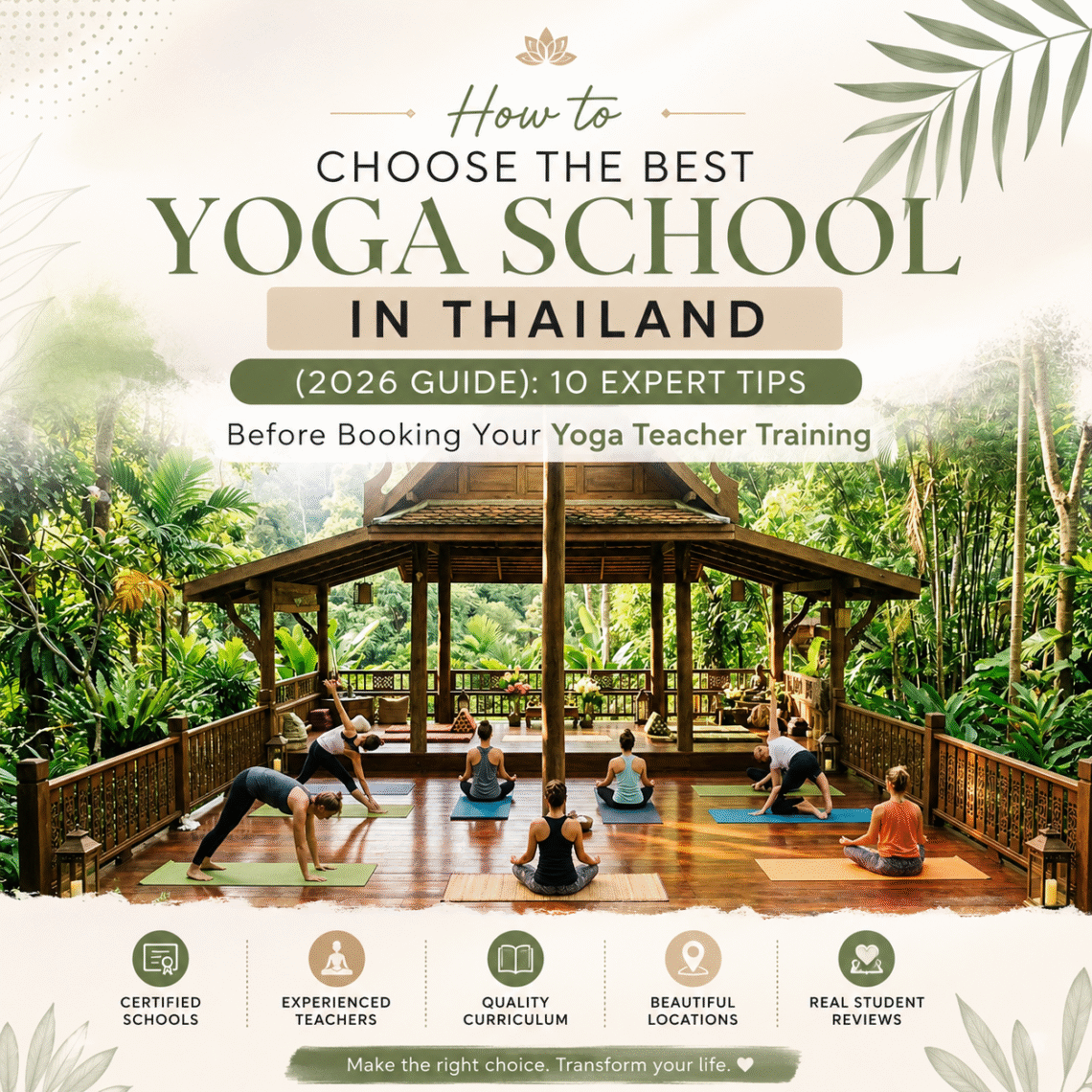
Choose the Best Yoga School in Thailand has become one of the world’s most sought-after destinations for Yoga Teacher Training. With its peaceful tropical landscapes, welcoming wellness culture, and internationally recognised yoga schools, thousands of students travel here every year to deepen their practice or begin a new career as yoga teachers.
However, with so many schools offering seemingly similar programs, choosing the right one can feel overwhelming.
Many prospective students compare only the course fee, accommodation, or location. While these factors matter, they rarely determine the quality of your overall experience. The teachers, curriculum, learning environment, class size, teaching methodology, and ongoing support often have a far greater impact on your personal growth and confidence as a future yoga teacher.
A Yoga Teacher Training is much more than earning a certificate. It is an opportunity to develop discipline, deepen self-awareness, understand the philosophy behind yoga, and learn how to guide others safely and authentically.
Whether you are a complete beginner, an experienced practitioner, or someone considering a career in yoga, this comprehensive guide will help you understand what truly matters when Choose the Best Yoga School in Thailand.
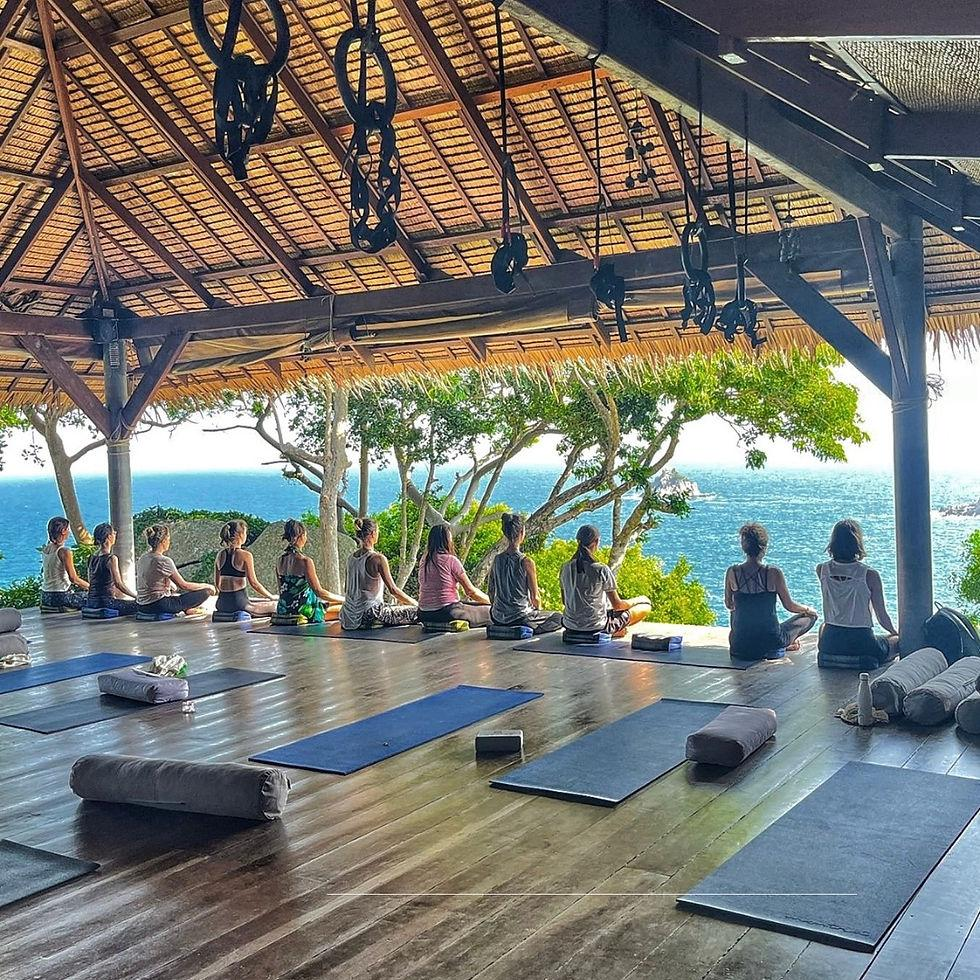
Table of Contents
You’ll discover:
- What separates an excellent yoga school from an average one
- The biggest mistakes students make before booking
- Questions you should always ask before enrolling
- Red flags to avoid
- How to compare different yoga schools objectively
- Why your teachers matter more than your destination
- How Diksha Yoga School approaches authentic yoga education in Koh Samui
By the end of this guide, you’ll have the confidence to choose a yoga teacher training program that aligns with your goals, learning style, and long-term aspirations.
Why Trust This Guide?
Choosing a yoga school is a significant investment of your time, energy, and finances. That’s why this guide is based on practical considerations that experienced yoga educators consistently encourage students to evaluate before making a decision.
At Diksha Yoga School Choose the Best Yoga School in Thailand, we’ve welcomed students from diverse countries, age groups, and professional backgrounds. While every student’s journey is unique, one common pattern stands out: those who carefully research a school’s teachers, curriculum, and learning environment before booking tend to feel more confident and satisfied with their training experience.
This guide has been created to help you make an informed decision—not simply to choose one school over another, but to understand the qualities that define an authentic and high-quality Yoga Teacher Training program.
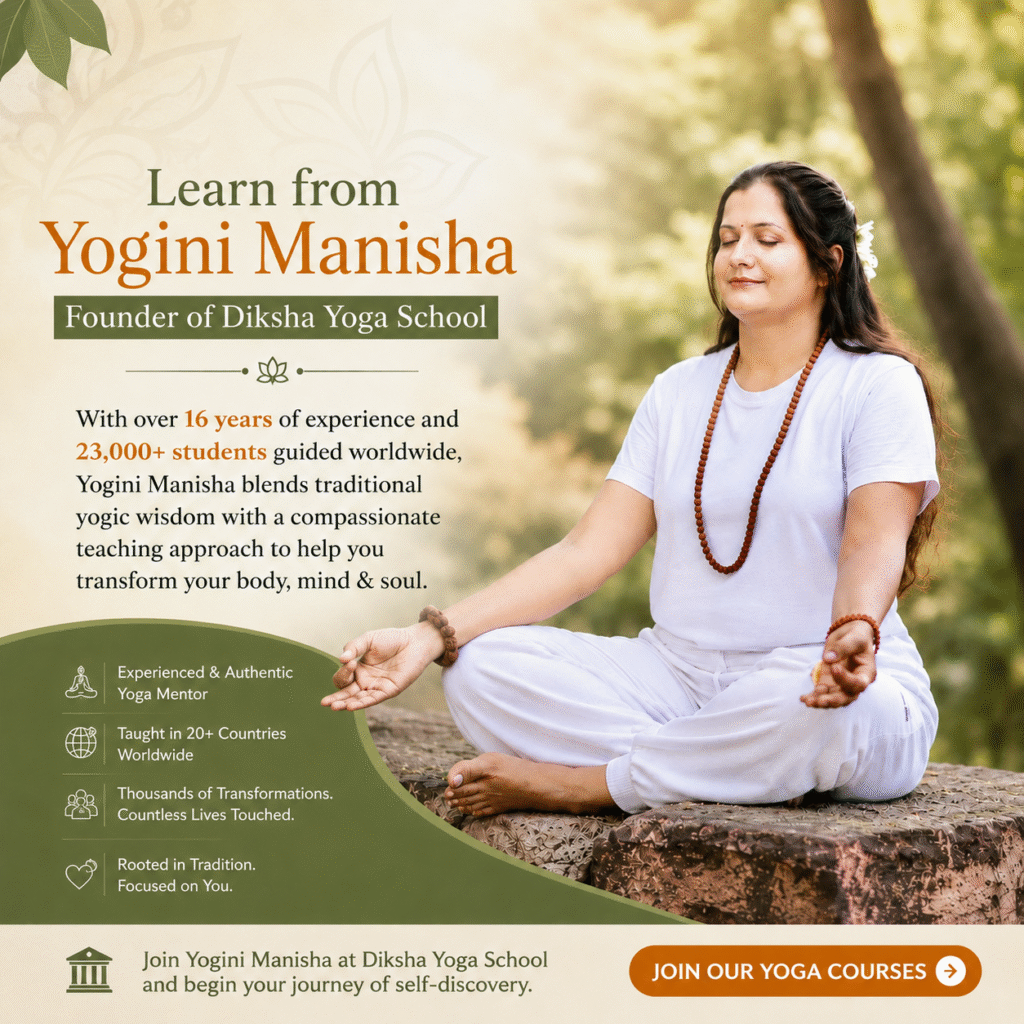
Learn from Yogini Manisha – Founder of Diksha Yoga School
Choosing a Yoga Teacher Training is one of the most important decisions in your yoga journey, and learning from experienced teachers can make all the difference.
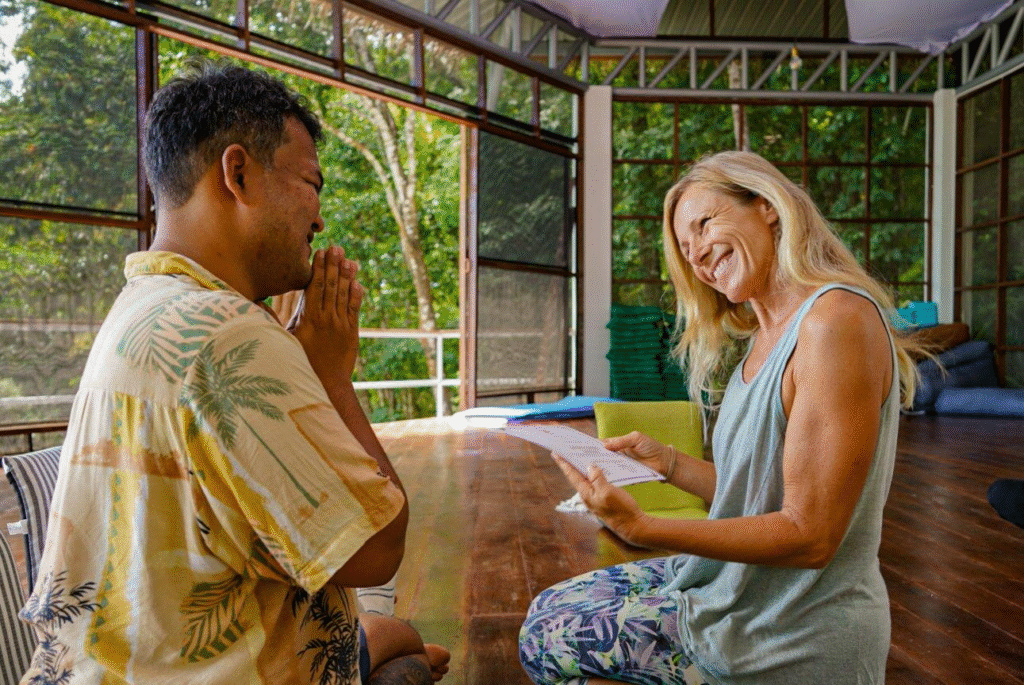
Yogini Manisha, Founder of Diksha Yoga School, is an E-RYT 500 certified yoga teacher with over 16 years of teaching experience. Throughout her teaching journey, she has guided thousands of students from around the world through Yoga Teacher Training programs, helping beginners build confidence and supporting experienced practitioners in becoming knowledgeable and compassionate yoga teachers.
Her teaching philosophy is rooted in the traditional principles of Indian yoga while embracing a practical, modern approach to education. Rather than focusing solely on advanced postures, she believes that authentic yoga begins with proper alignment, breath awareness, mindfulness, self-discipline, and understanding the deeper philosophy behind every practice.
At Diksha Yoga School, this philosophy is reflected throughout every course. Students are encouraged to ask questions, develop their own practice, learn through experience, and gradually build the confidence to teach safely and authentically. The goal is not simply to earn a certificate but to cultivate lifelong knowledge, personal growth, and a meaningful connection with yoga.
Why Choose the Best Yoga School in Thailand is One of the Best Places for Yoga Teacher Training
Choose the Best Yoga School in Thailand has earned an excellent reputation as one of Asia’s leading wellness destinations. Alongside its stunning beaches and tropical climate, the country offers a peaceful atmosphere that naturally supports mindfulness, meditation, and self-development.
Many students Choose the Best Yoga School in Thailand because it offers the opportunity to temporarily step away from daily routines and fully immerse themselves in yoga.
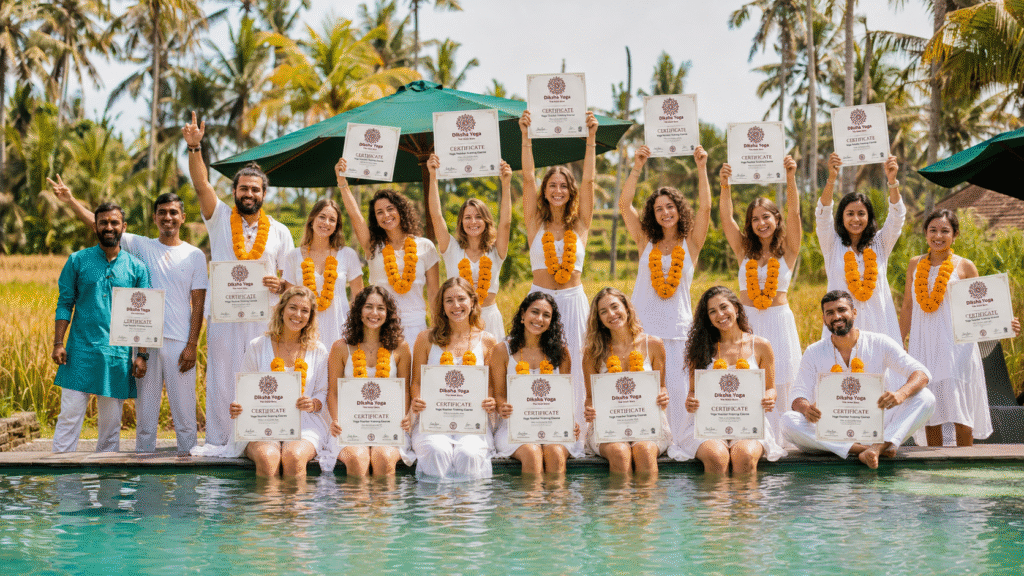
Some of the reasons Choose the Best Yoga School in Thailand has become a popular destination include:
- Beautiful natural surroundings that encourage relaxation
- A thriving international wellness community
- Peaceful islands and coastal towns ideal for focused study
- Healthy vegetarian and vegan food options
- Affordable accommodation compared with many Western countries
- A welcoming environment for international students
Among Choose the Best Yoga School in Thailand many wellness destinations, Koh Samui has become especially popular for Yoga Teacher Training due to its tranquil beaches, lush tropical scenery, and calm atmosphere. Many students find that learning in a peaceful environment allows them to concentrate more deeply on their yoga practice and personal growth.
Tip #1: Choose a Yoga School With Experienced Teachers—Not Just an Attractive Website
One of the biggest mistakes students make is selecting a yoga school based only on beautiful photographs, social media content, or low course fees.
While attractive accommodation and beach locations certainly enhance the experience, they cannot replace knowledgeable teachers.
The quality of your teachers will influence every aspect of your Yoga Teacher Training, including:
- Your understanding of yoga philosophy
- Safe alignment and injury prevention
- Confidence in teaching classes
- Breath awareness and pranayama
- Meditation practice
- Personal development throughout the course
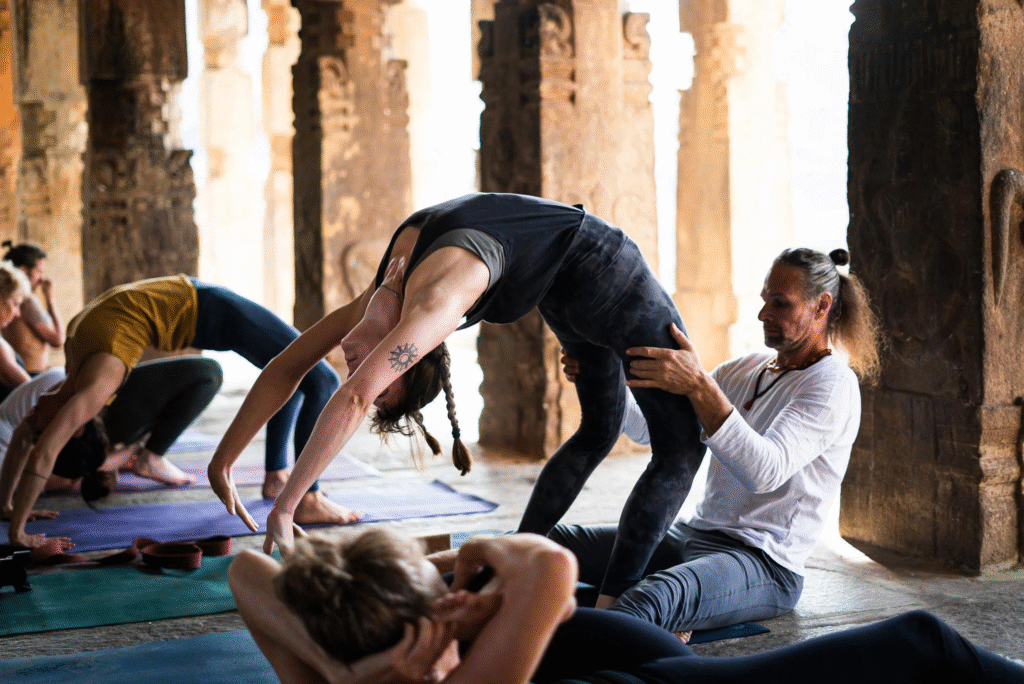
A truly experienced teacher doesn’t simply demonstrate yoga poses. They explain why each practice matters, adapt techniques for different students, answer questions with clarity, and help you build confidence through constructive guidance.
What to Look for in a Yoga Teacher
Before booking a Yoga Teacher Training in Thailand, research the teaching team carefully.
Ask yourself:
✔ Do the teachers have several years of teaching experience?
✔ Are their qualifications clearly explained?
✔ Do they specialise in different areas of yoga?
✔ Can you find genuine student reviews about their teaching?
✔ Do they continue practising and studying yoga themselves?
An experienced faculty usually brings together expertise in:
- Hatha Yoga
- Vinyasa Flow Yoga
- Pranayama
- Meditation
- Yoga Philosophy
- Anatomy & Physiology
- Teaching Methodology
The wider the teaching expertise, the more balanced and complete your learning experience will be.
Founder Insight: Why Experienced Teachers Make Such a Difference
One lesson that experienced yoga educators often observe is that students rarely struggle because they lack flexibility. More commonly, they struggle with self-confidence, body awareness, breathing techniques, or understanding why yoga is practised in a particular way.
An experienced teacher recognises these challenges early and adapts their guidance to support each student’s individual learning process.
This is why choosing a school with knowledgeable and approachable teachers often has a greater impact than choosing one with the most luxurious facilities.
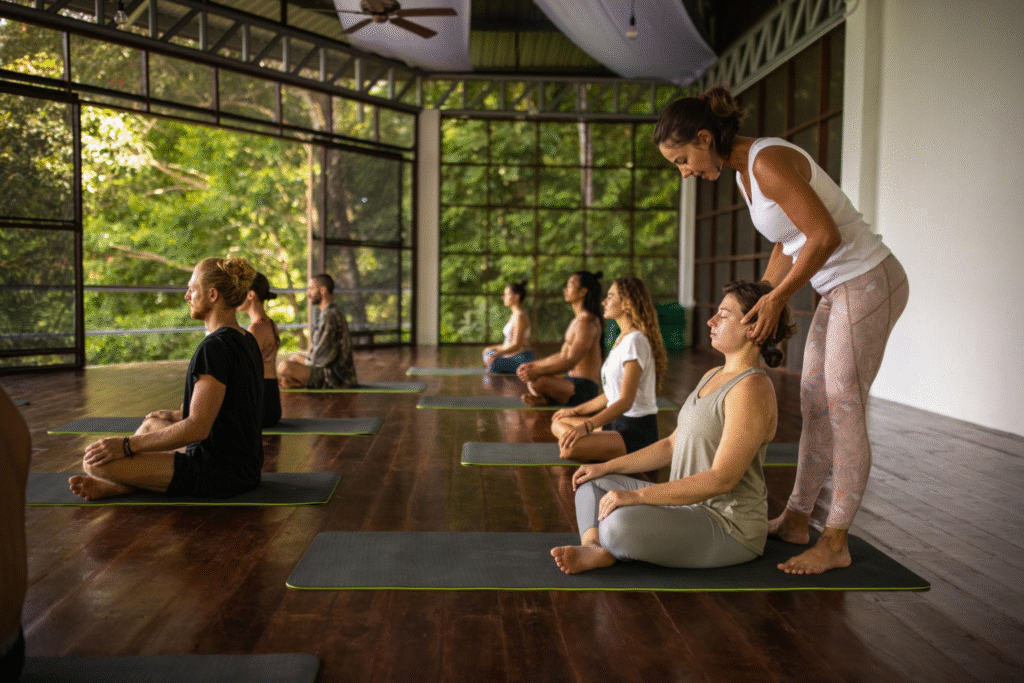
How We Approach Teaching at Diksha Yoga School Choose the Best Yoga School in Thailand
Choose the Best Yoga School in Thailand, our teaching philosophy combines traditional Indian yoga wisdom with practical teaching methods suitable for today’s yoga practitioners.
Rather than focusing only on achieving advanced postures, our aim is to help students build a strong foundation through:
- Correct alignment and body awareness
- Safe and sustainable practice
- Breath-led movement
- Meditation and mindfulness
- Understanding yoga beyond the physical practice
- Developing confidence to teach with authenticity
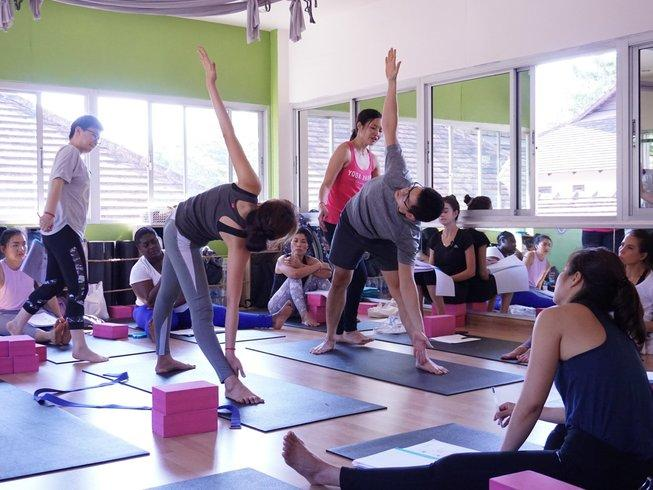
Students are encouraged to ask questions, participate actively, practise teaching, and receive supportive feedback throughout the course.
Our goal is not simply to help students complete a certification—it is to help them develop the knowledge, confidence, and self-awareness needed to continue growing long after the training has finished.
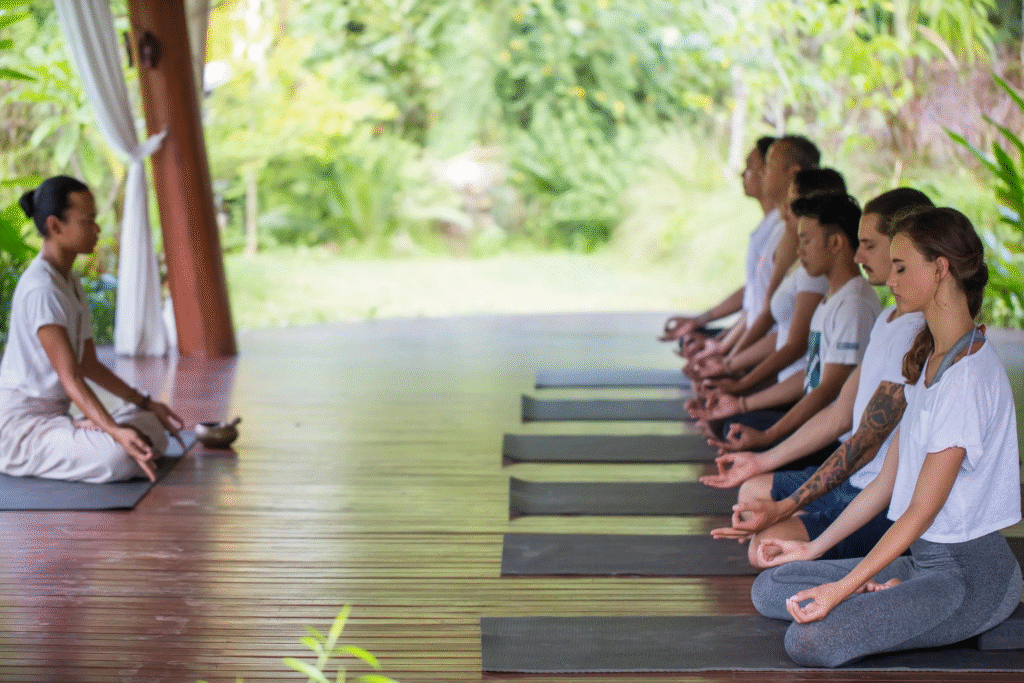
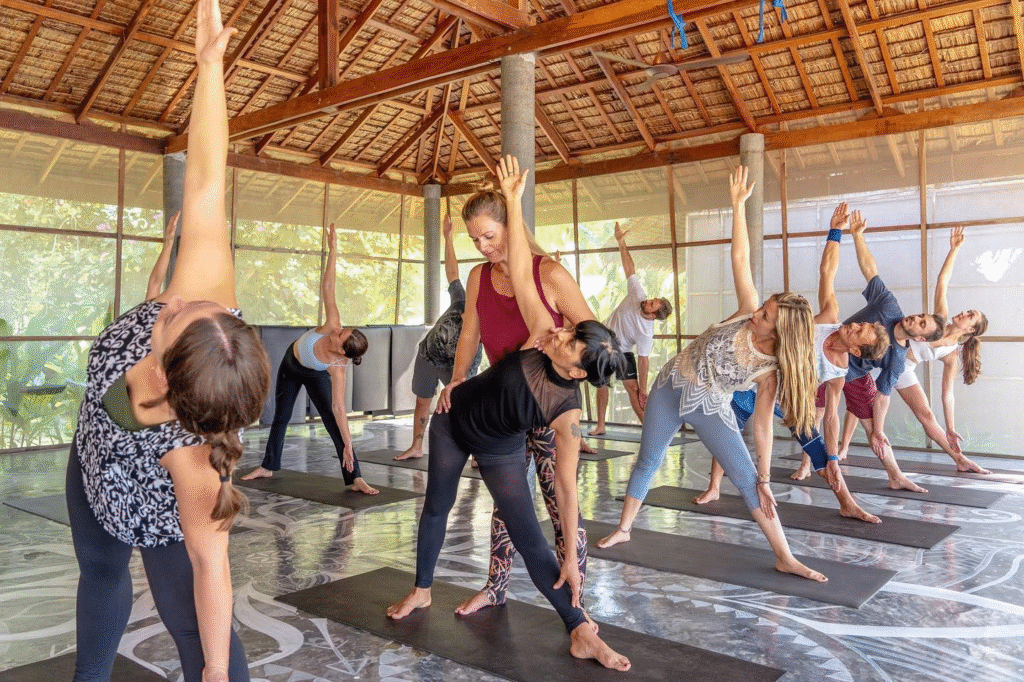
Tip #2: Look Beyond Yoga Alliance Certification
One of the first questions many students ask is:
“Is the school Yoga Alliance registered?”
The answer is important—but it shouldn’t be your only deciding factor.
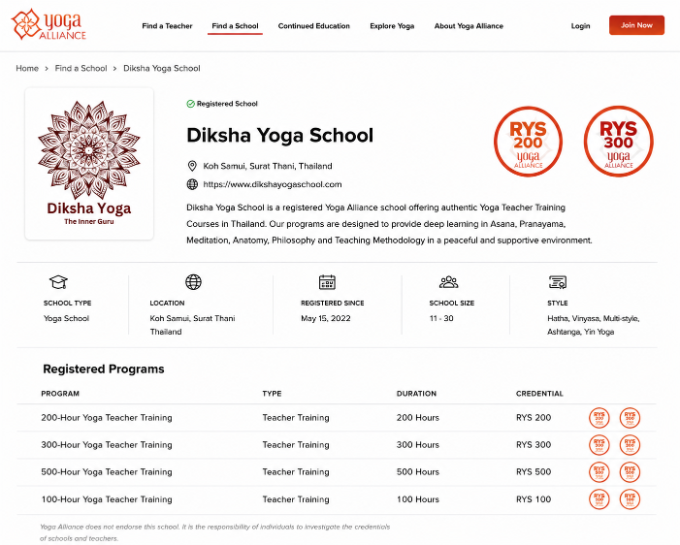
A Yoga Alliance Registered School (RYS) follows recognised international standards for areas such as:
- Curriculum structure
- Minimum training hours
- Teaching methodology
- Student assessment
- Lead teacher qualifications
Graduating from a registered school allows eligible students to apply for Yoga Alliance registration, which can be beneficial if they plan to teach professionally in different parts of the world.
However, two Yoga Alliance Registered Schools can offer very different learning experiences.
One school may provide:
- Small class sizes
- Individual guidance
- Extensive teaching practice
- Personal feedback
- Experienced teachers
Another may offer the same certification while teaching much larger groups with limited interaction.
For this reason, certification should be viewed as one part of a much bigger picture.
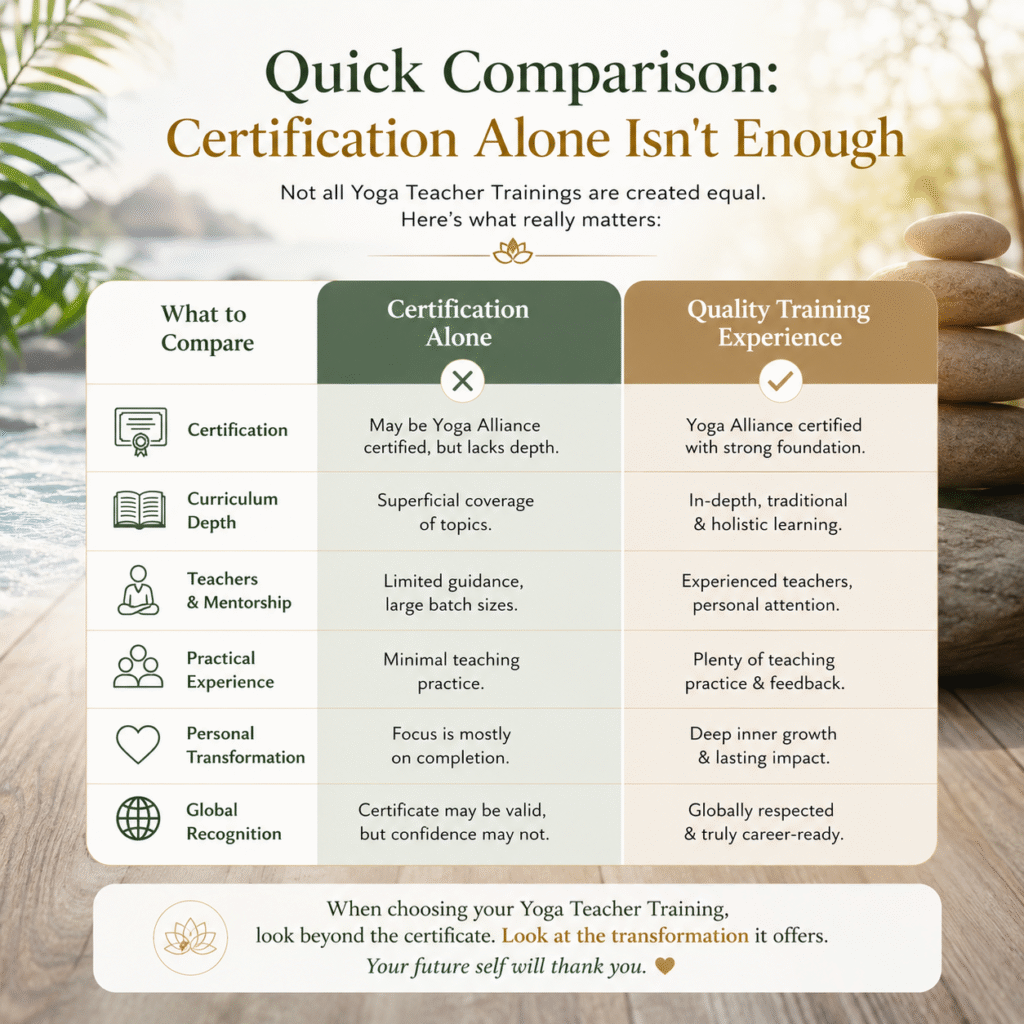
Quick Comparison: Certification Alone Isn’t Enough
| Compare This | Better Choice |
| Yoga Alliance registration only | Yoga Alliance registration plus experienced teachers and a complete curriculum |
| Large classes with minimal interaction | Small groups with personalised guidance |
| Certificate-focused training | Personal growth, teaching confidence, and practical experience |
| Marketing promises | Transparent information, genuine reviews, and experienced educators |
Tip #3: Look for a Complete and Well-Balanced Yoga Teacher Training Curriculum
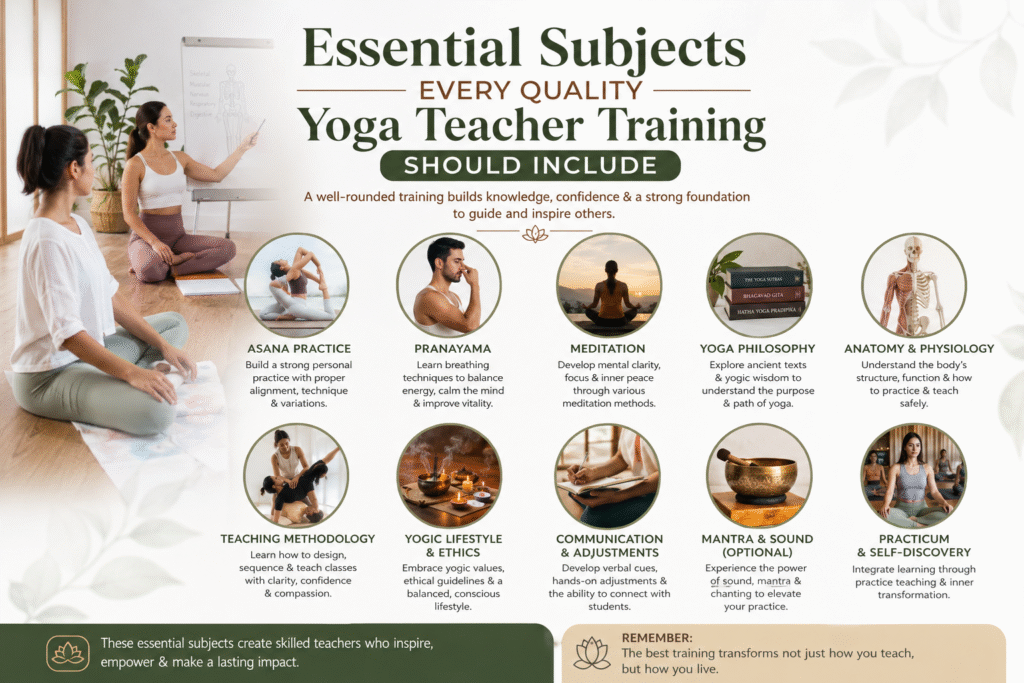
One of the easiest ways to judge the quality of a yoga school is by looking closely at its curriculum.
A high-quality Yoga Teacher Training should help you understand how yoga works, why it works, and how to teach it safely—not simply memorise a sequence of postures.
Many first-time students are surprised to discover that becoming a confident yoga teacher involves much more than learning advanced poses. A well-structured curriculum combines physical practice, philosophy, anatomy, breathwork, teaching methodology, and personal development into one complete learning experience.
When comparing Choose the Best Yoga School in Thailand, don’t hesitate to request a detailed syllabus before booking. A transparent school will be happy to explain exactly what you will learn throughout the course.
Essential Subjects Every Quality Yoga Teacher Training Should Include
Hatha Yoga builds the strong foundations every yoga teacher needs. Students learn correct alignment, posture awareness, breathing coordination, and the importance of moving with stability and mindfulness.
A strong Hatha practice develops:
- Proper alignment
- Balance and stability
- Strength and flexibility
- Mind-body awareness
- Safe movement patterns
Vinyasa Flow Yoga
Vinyasa teaches students how to connect breath with movement while creating fluid, intelligent sequences.
Students should learn:
- Breath-synchronised movement
- Creative sequencing
- Smooth transitions
- Building balanced yoga classes
- Modifications for different ability levels
Pranayama (Breathwork)
Breath is one of the most powerful tools in yoga.
A comprehensive course should introduce techniques that improve concentration, relaxation, and energy awareness while helping students understand how breath supports both physical and mental well-being.
Meditation develops focus, emotional resilience, and self-awareness.
Students should experience different meditation styles rather than simply learning theory. Regular meditation also builds the presence and confidence needed to teach others.
Yoga extends far beyond physical movement.
Understanding classical yogic teachings—including concepts from the Yoga Sutras and traditional yogic ethics—helps students appreciate the deeper purpose of yoga and apply these principles in everyday life.
Anatomy and Physiology
One of the greatest responsibilities of a yoga teacher is helping students practise safely.
A quality anatomy module should explain:
- Joint movement
- Muscle function
- Common injuries
- Safe modifications
- Contraindications
- Body mechanics
Understanding anatomy allows teachers to adapt classes for students with different bodies, abilities, and limitations.
Teaching Methodology
Many students finish a course knowing yoga—but not knowing how to teach it.
Teaching methodology should include:
- Voice projection
- Cueing techniques
- Demonstrations
- Observation skills
- Hands-on adjustments (where appropriate)
- Class planning
- Time management
- Building confidence
Curriculum Comparison
| Complete Yoga Teacher Training | Limited Yoga Course |
| Hatha Yoga | Mainly physical exercise |
| Vinyasa Flow | Few sequencing lessons |
| Anatomy | Little or no anatomy |
| Yoga Philosophy | Minimal philosophy |
| Meditation | Optional meditation |
| Pranayama | Limited breathing practices |
| Teaching Practice | Certificate only |
| Personal Feedback | Minimal guidance |
Tip: If a school’s curriculum mainly highlights accommodation and beaches while providing little information about the actual course content, ask for a detailed syllabus before enrolling.
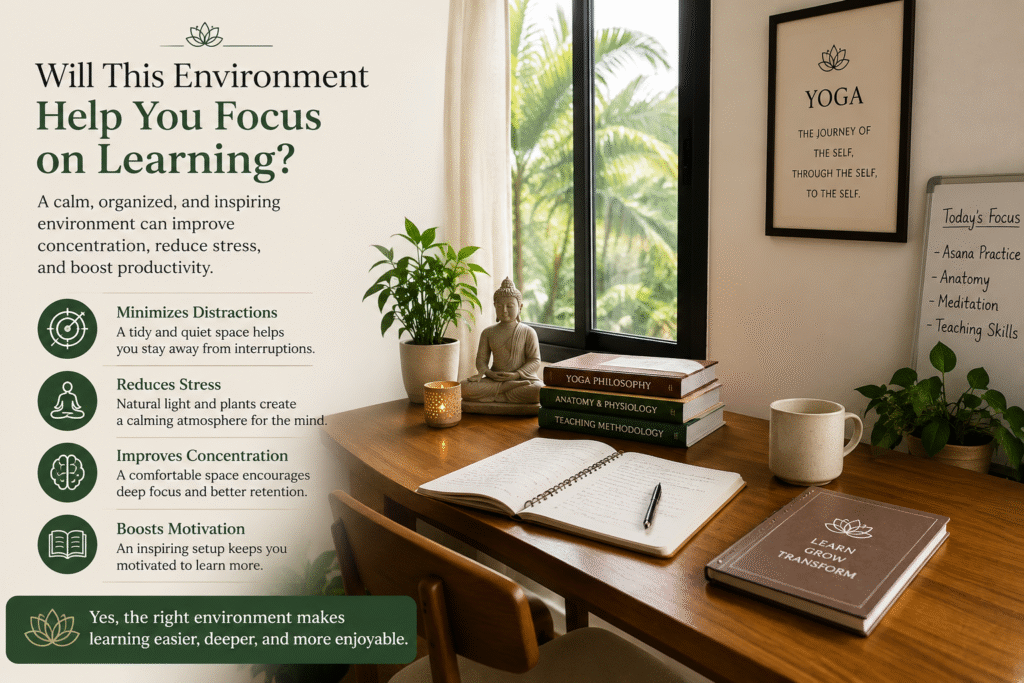
Tip #4: Don’t Ignore the Learning Environment
The place where you spend three or four weeks learning yoga has a significant influence on your overall experience.
Many students initially choose a destination because of beautiful beaches or holiday photos. While the surroundings certainly contribute to the experience, the real question is:
Will this environment help you focus on learning?
A supportive yoga school provides more than accommodation. It creates a space where students feel comfortable asking questions, practising teaching, making mistakes, and growing together.
Look for schools that offer:
- Peaceful surroundings
- Comfortable accommodation
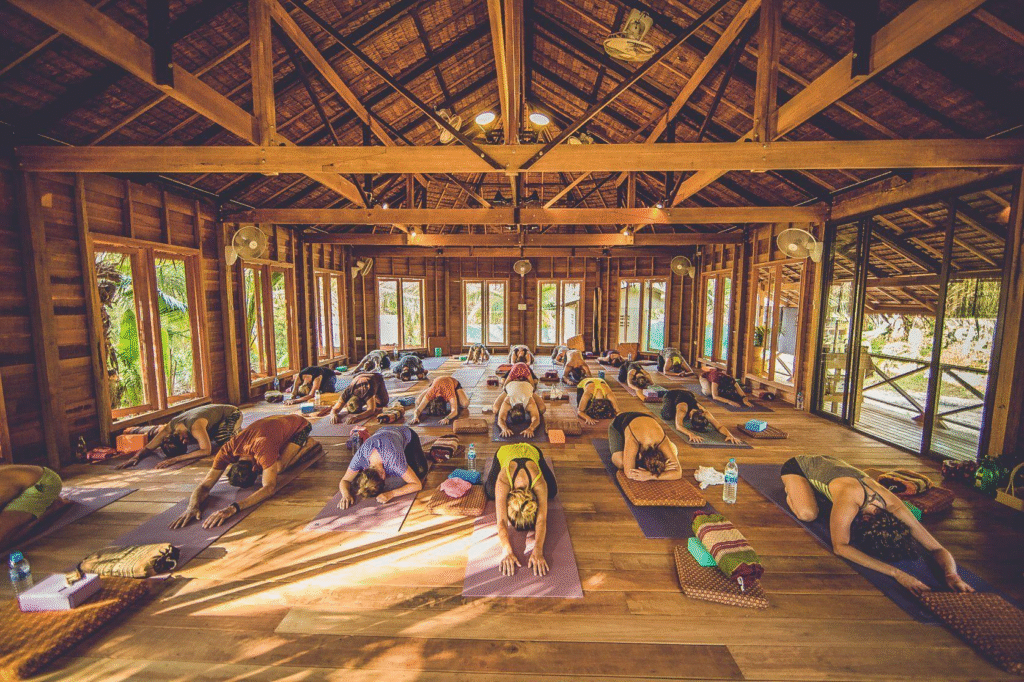
- Clean yoga shalas
- Healthy vegetarian meals
- Quiet areas for meditation
- Supportive teachers
- Friendly student community
- Small class sizes
These factors contribute to a more meaningful and immersive learning experience.
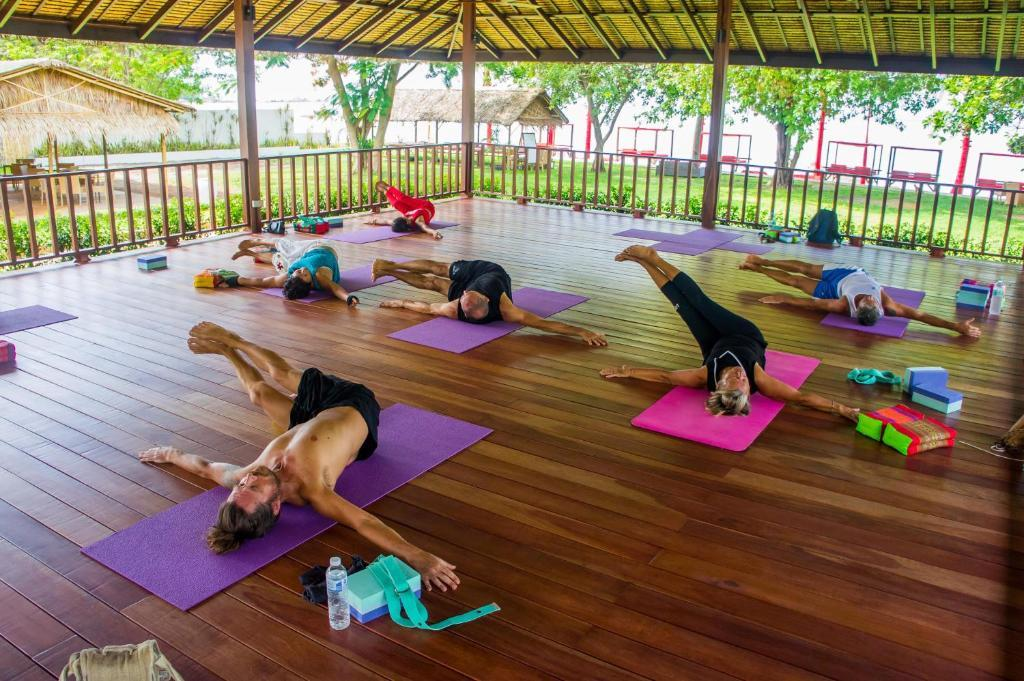
Why Koh Samui Is One of Thailand’s Best Destinations for Yoga Teacher Training
Koh Samui has become one of Choose the Best Yoga School in Thailand leading wellness destinations, attracting visitors seeking yoga, meditation, holistic health, and personal transformation.
Unlike busy tourist centres, many parts of Koh Samui offer a calm atmosphere that encourages students to slow down and fully immerse themselves in their training.
Students often appreciate:
- Tropical beaches
- Warm climate throughout much of the year
- Peaceful surroundings
- Beautiful sunrise and sunset practices
- Wellness-focused lifestyle
- Healthy cafés and vegetarian cuisine
- Relaxed pace of life
A tranquil environment helps minimise everyday distractions, making it easier to focus on yoga, study, meditation, and self-reflection.
Choose the Best Yoga School in Thailand, our Koh Samui location has been chosen to provide students with a peaceful setting that supports both learning and personal growth.
🚩 1 Red Flags to Watch Out for Before Booking a Yoga School
Not every Yoga Teacher Training offers the same quality of education. Before paying a deposit, watch for these warning signs.
🚩 2. The Website Focuses More on Luxury Than Education
Beautiful rooms and beaches are wonderful—but they shouldn’t be the main selling point.
A quality school explains its teachers, curriculum, teaching philosophy, and student support in detail.
🚩 3. Teacher Information Is Missing
If you cannot easily find information about the teaching team, qualifications, or experience, ask why.
Experienced teachers are one of the biggest factors influencing the quality of your training.
🚩 4. Very Large Class Sizes
Large groups often mean less personal attention.
Smaller batches usually allow:
- Better alignment corrections
- More opportunities to ask questions
- More practice teaching
- Individual feedback
🚩 5. No Practice Teaching
Teaching yoga is a skill developed through practice.
If students never teach during the course, they may leave feeling unprepared despite receiving a certificate.
🚩 6. No Clear Daily Schedule
Professional schools generally publish a structured timetable that balances practice, theory, meals, rest, and study.
🚩 7. Unrealistic Marketing Claims
Be cautious of statements such as:
- “Become a master teacher in two weeks.”
- “Guaranteed international career.”
- “No effort required.”
Authentic yoga education requires dedication, consistency, and practice.
🚩 8. Hidden Costs
Before booking, confirm exactly what is included.
Ask about:
- Accommodation
- Meals
- Course materials
- Airport transfers
- Examination fees
- Certification costs
Transparent pricing builds trust.
10 Questions Every Student Should Ask Before Booking
Before enrolling in any Choose the Best Yoga School in Thailand, ask these questions:
- Is the school Yoga Alliance Registered?
- Who are the lead teachers?
- How many students are usually in each batch?
- How much practical teaching is included?
- What subjects are covered in the curriculum?
- Are beginners welcome?
- What accommodation and meals are included?
- What support is provided after graduation?
- Are there genuine student reviews available?
- Can I view the daily schedule before booking?
Schools that answer these questions openly usually have nothing to hide.
Quick Comparison Checklist
| Question | Excellent School | Average School |
| Experienced Teachers | ✅ | Sometimes |
| Transparent Curriculum | ✅ | Limited |
| Practice Teaching | ✅ | Basic |
| Small Batches | ✅ | Often Large |
| Anatomy Included | ✅ | Minimal |
| Philosophy Included | ✅ | Limited |
| Personal Feedback | ✅ | Rare |
| Student Support | ✅ | Certificate Only |
| Transparent Pricing | ✅ | Hidden Charges Possible |
| Authentic Learning Environment | ✅ | Tourist Focus |
📥 Free Download: 25-Point Yoga School Checklist
Before you book any Yoga Teacher Training, make sure you compare schools carefully.
Download our FREE 25-Point Yoga School Checklist to help you evaluate:
- Teacher qualifications
- Curriculum quality
- Class sizes
- Accommodation
- Student support
- Certification
- Hidden costs
- Practice teaching
- Reviews and testimonials
- Overall value
Suggested placement on your website: Insert this call-to-action immediately after the “10 Questions Every Student Should Ask Before Booking” section. Offer the checklist as a downloadable PDF in exchange for an email address. This provides genuine value to prospective students while helping build your email list
What Makes Diksha Yoga School Different?
Choosing a yoga school is about much more than comparing prices, destinations, or certificates. The right school should help you build confidence, deepen your understanding of yoga, and support your personal growth long after the course has ended.
At Diksha Yoga School Choose the Best Yoga School in Thailand, our mission is to create an environment where students don’t simply learn yoga—they experience it as a way of life.
Our approach combines the wisdom of traditional Indian yoga with structured, modern teaching methods that prepare students to practise and teach with confidence.
Whether your goal is personal transformation or becoming a certified yoga teacher, we aim to provide a balanced education that nurtures both knowledge and self-awareness.
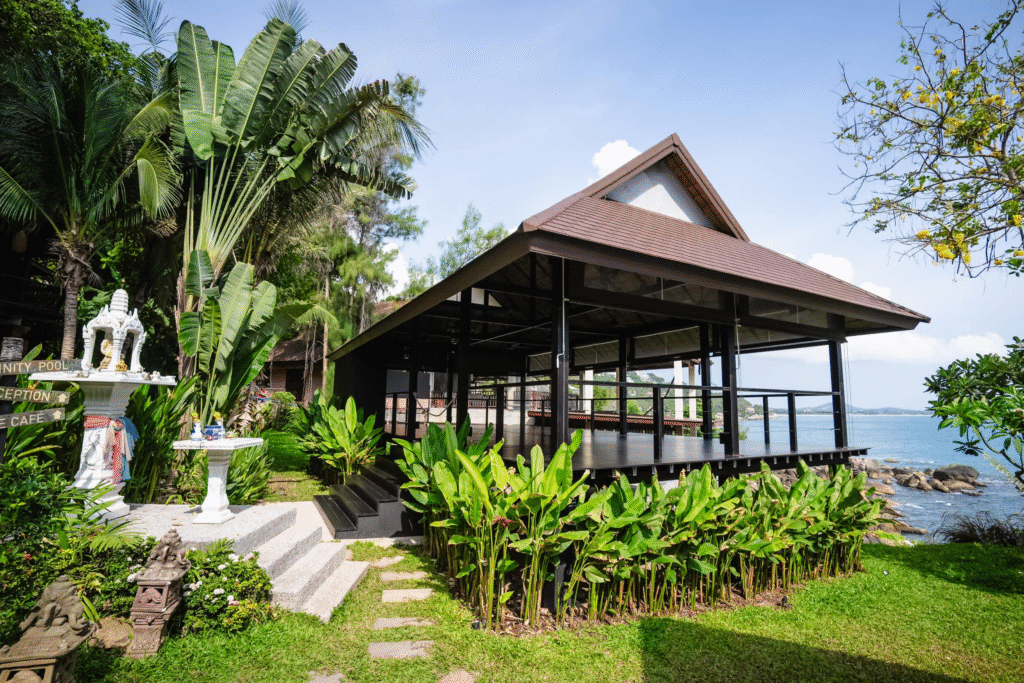
Our Teaching Philosophy
We believe yoga is not about performing the most advanced postures—it’s about creating awareness, developing discipline, and learning to live with greater balance.
Throughout the course, students are encouraged to:
- Build a sustainable personal practice
- Understand the purpose behind each technique
- Ask questions and learn through discussion
- Practise teaching in a supportive environment
- Develop confidence gradually through experience
Rather than focusing only on certification, we focus on helping students become knowledgeable, compassionate, and responsible yoga teachers.
Learn from Experienced Yoga Teachers
The quality of a Yoga Teacher Training depends greatly on the people guiding your journey.
At Diksha Yoga School Choose the Best Yoga School in Thailand, our teaching team specialises in:
- Traditional Hatha Yoga
- Vinyasa Flow Yoga
- Pranayama
- Meditation
- Yoga Philosophy
- Anatomy & Physiology
- Teaching Methodology
Students receive continuous guidance throughout the training, helping them understand not only how to practise yoga but also how to teach it safely and effectively.
Why Small Batch Learning Makes a Big Difference
One of the biggest advantages of choosing a smaller yoga school is the level of personal attention you receive.
In smaller groups, students often feel more comfortable asking questions, receiving alignment corrections, practising teaching, and developing confidence.
Instead of feeling like just another participant, students become part of a supportive learning community where teachers can better understand each individual’s strengths and areas for improvement.
Small group learning also allows for:
- Individual guidance
- More opportunities for teaching practice
- Better alignment corrections
- Meaningful discussions
- Personal feedback throughout the course
A Typical Day During Your Yoga Teacher Training
One question students frequently ask is:
“What will my days actually look like?”
While schedules may vary slightly, a balanced Yoga Teacher Training usually includes a combination of physical practice, theoretical learning, and personal reflection.
A typical day may include:
| Time | Activity |
| 6:30 AM | Pranayama & Meditation |
| 7:30 AM | Hatha Yoga Practice |
| 9:00 AM | Healthy Breakfast |
| 10:00 AM | Yoga Philosophy / Anatomy |
| 12:30 PM | Lunch & Rest |
| 2:30 PM | Teaching Methodology |
| 4:30 PM | Vinyasa Flow Practice |
| 6:00 PM | Meditation / Self Study |
| 7:00 PM | Dinner |
This balanced schedule allows students to integrate what they learn rather than simply memorising information.
Why Students Choose Koh Samui for Their Yoga Journey
The location of your training influences more than your photographs—it shapes your experience.
Koh Samui offers an ideal balance between peaceful nature and modern comforts.
Students often appreciate:
✓ Quiet beaches
✓ Tropical gardens
✓ Fresh air
✓ Healthy food
✓ Relaxed lifestyle
✓ Beautiful sunrise meditation
✓ International yoga community
The island provides an inspiring backdrop for learning while encouraging students to disconnect from daily distractions and reconnect with themselves.
Why Students Choose Diksha Yoga School
Every student arrives with different goals.
Some want to become professional yoga teachers.
Others simply wish to deepen their personal practice.
Many join after feeling overwhelmed by work, seeking a healthier lifestyle, or looking for meaningful personal growth.
Students choose Diksha Yoga School because we offer:
Authentic Yoga Education
Our programs combine traditional yogic principles with practical teaching skills that students can apply in real-life classes.
Balanced Curriculum
Students study:
- Hatha Yoga
- Vinyasa Flow
- Anatomy
- Meditation
- Pranayama
- Yoga Philosophy
- Teaching Methodology
creating a well-rounded foundation for both personal and professional growth.
Personal Attention
Smaller class sizes allow teachers to offer more individual guidance throughout the course.
International Learning Community
Students from different countries learn together, exchange perspectives, and build lasting friendships through a shared passion for yoga.
Supportive Learning Environment
We believe students learn best when they feel comfortable asking questions, practising teaching, and learning from mistakes without judgement.
Is Diksha Yoga School Right for You?
Our Yoga Teacher Training may be a great fit if you:
✔ Are completely new to yoga but eager to learn
✔ Want to deepen your existing practice
✔ Wish to become a certified yoga teacher
✔ Value traditional yoga teachings
✔ Prefer smaller learning groups
✔ Appreciate personal guidance
✔ Want to experience yoga in a peaceful environment
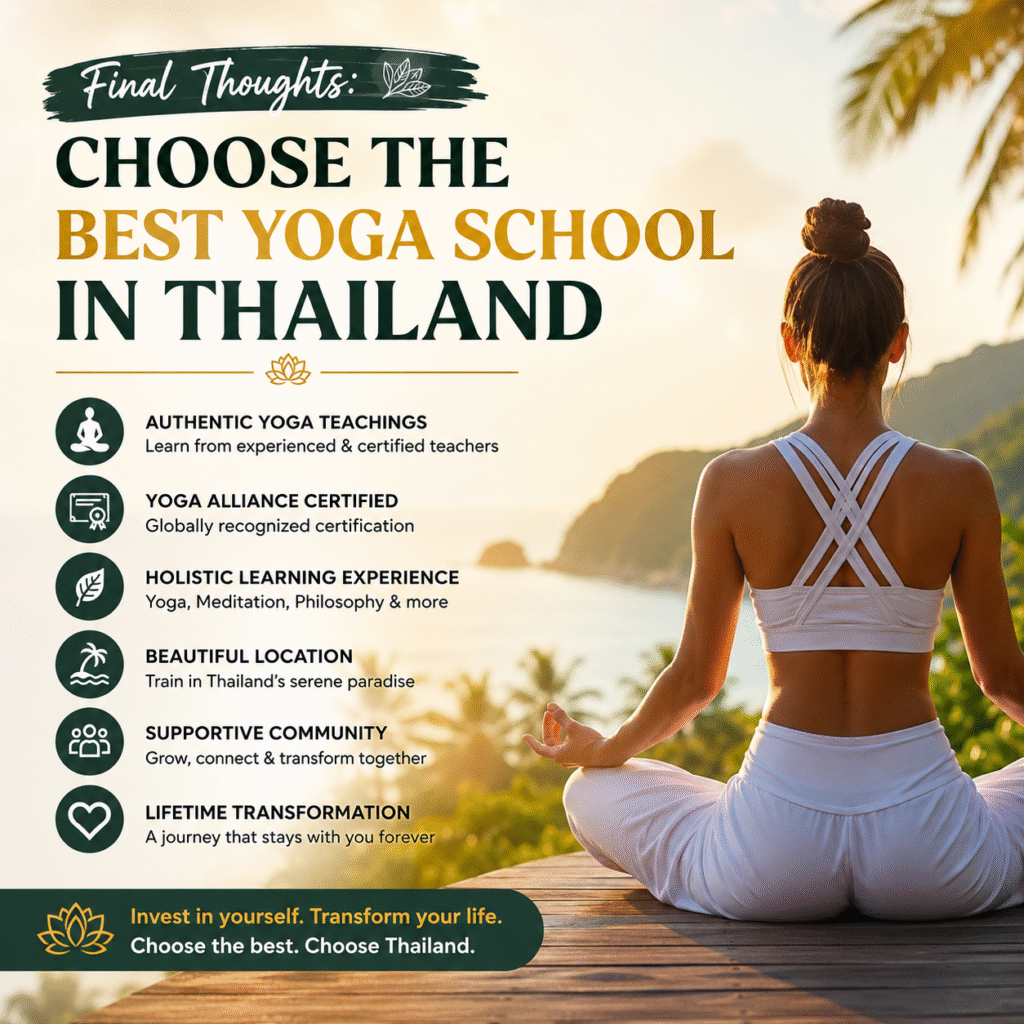
Final Thoughts: Choose the Best Yoga School in Thailand
Choosing a Yoga Teacher Training is one of the most meaningful investments you can make in yourself.
Rather than choosing based solely on price or location, take time to compare each school’s teachers, curriculum, teaching philosophy, learning environment, and student support.
A truly valuable Yoga Teacher Training should leave you with much more than a certificate.
It should help you develop:
- Confidence
- Self-awareness
- Practical teaching skills
- A deeper understanding of yoga
- Lifelong friendships
- Daily practices you can carry into every stage of life
If you are looking for a Choose the Best Yoga School in Thailand that combines traditional yoga, experienced teachers, structured learning, and a supportive community, Diksha Yoga School Choose the Best Yoga School in Thailandwelcomes you to begin your journey in the peaceful surroundings of Koh Samui.
We hope this guide helps you choose the school that feels right for you—and wherever your journey begins, may it bring growth, balance, and lasting inspiration.
Frequently Asked Questions
1. How do I Choose the Best Yoga School in Thailand?
Look beyond price and location. Compare the teachers’ experience, curriculum, class size, certification, teaching methodology, reviews, and student support.
2. Is Yoga Alliance certification important?
Yes. A Yoga Alliance Registered School follows internationally recognised training standards. However, certification should be considered alongside teaching quality and curriculum.
3. Can beginners join a 200 Hour Yoga Teacher Training?
Yes. Many schools, including Diksha Yoga School, welcome beginners and gradually build their knowledge and confidence throughout the course.
4. How long does a Yoga Teacher Training in Thailand take?
Most 200 Hour Yoga Teacher Training courses are completed in approximately 21–28 days.
5. Why is Koh Samui popular for Yoga Teacher Training?
Koh Samui offers peaceful beaches, tropical nature, wellness-focused surroundings, and a relaxed atmosphere ideal for immersive yoga study.
6. What subjects are included in a 200 Hour Yoga Teacher Training?
Typical subjects include Hatha Yoga, Vinyasa Flow, Anatomy, Meditation, Pranayama, Yoga Philosophy, Teaching Methodology, and Practice Teaching.
7. What should I ask before booking a yoga school?
Ask about teacher qualifications, class size, curriculum, accommodation, meals, certification, teaching practice, student support, and reviews.
8. Is Choose the Best Yoga School in Thailand a good destination for international students?
Yes.Choose the Best Yoga School in Thailand is known for its welcoming atmosphere, affordable wellness experiences, and thriving international yoga community.
9. What makes Diksha Yoga School different?
Diksha Yoga School combines traditional Indian yoga teachings, experienced instructors, small group learning, a comprehensive curriculum, and a supportive learning environment in Koh Samui.
10. Will I be able to teach after completing the course?
A recognised 200 Hour Yoga Teacher Training provides the knowledge and practical foundation needed to begin teaching. Many graduates also continue developing their skills through ongoing practice and advanced training.
Start Your Yoga Journey in Thailand Apply Now Today