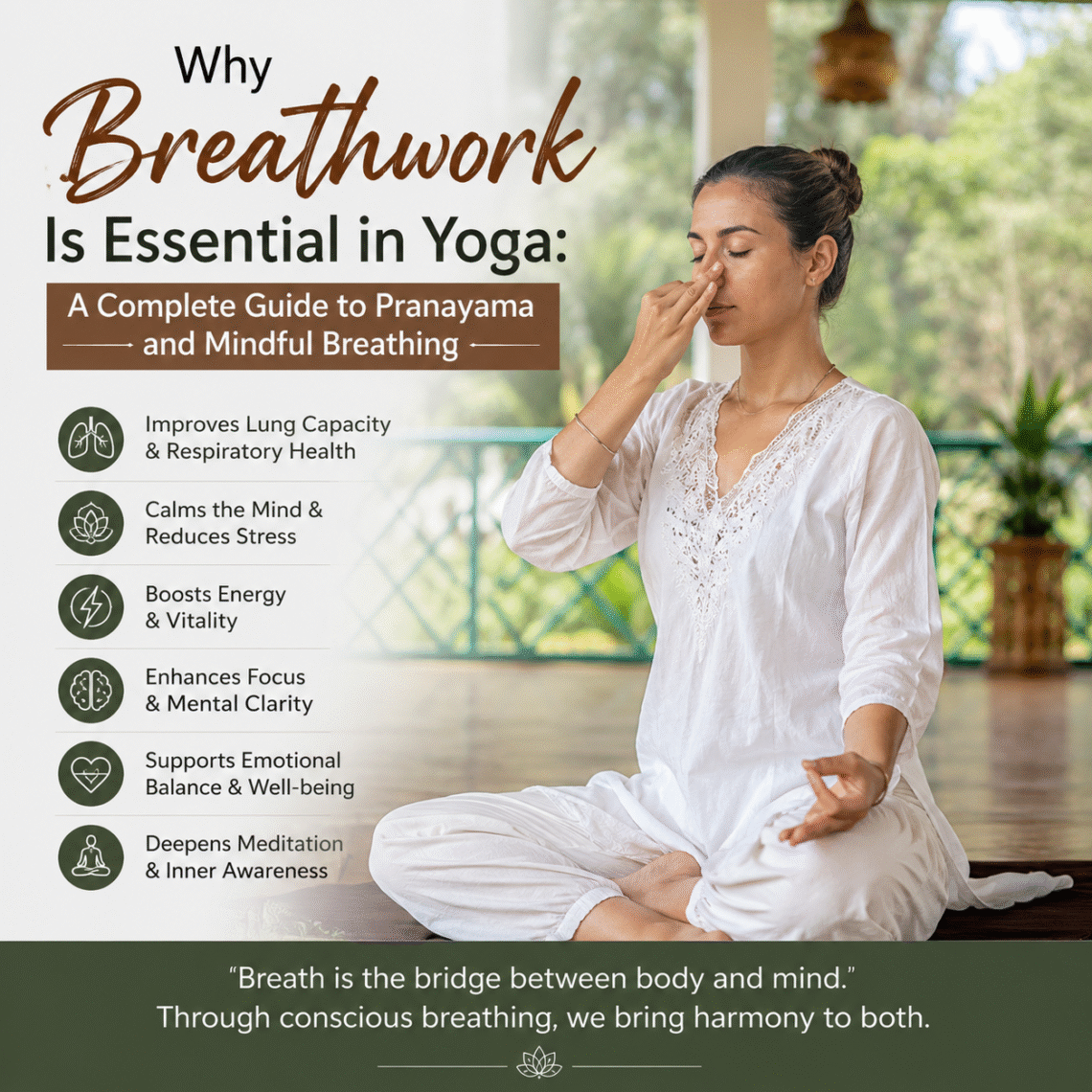
Why Breathwork Is Essential in Yoga, When most people think about yoga, they picture beautiful postures or challenging balances. Yet, the ancient yoga masters viewed breath—not movement—as the bridge between the body and the mind.
At Diksha Yoga School, we often welcome students who have practiced yoga for years but have never been taught how to breathe consciously. After only a few days of learning traditional pranayama, many discover something surprising: their flexibility improves, their mind becomes calmer, and their yoga practice finally feels complete.
Why Breathwork Is Essential in Yoga, isn’t an optional part of yoga.
It is yoga.
Whether you are attending a yoga teacher training course or simply beginning your yoga journey, understanding Why Breathwork Is Essential in Yoga, can completely change how you experience every posture, meditation session, and even daily life.
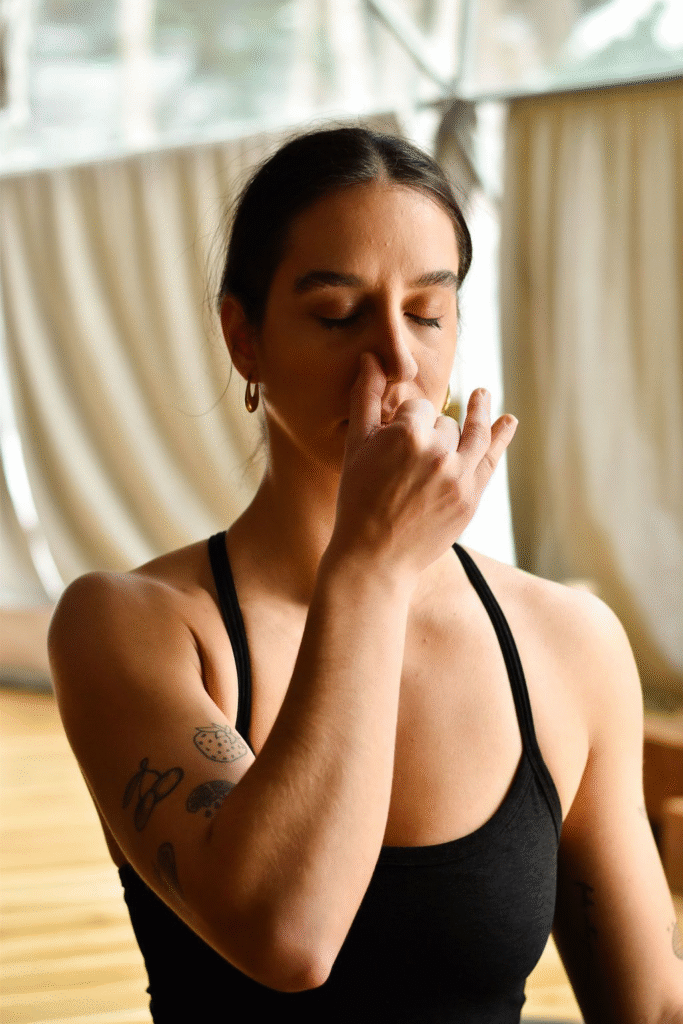
Table of Contents
What Is Breathwork in Yoga?
Breathwork in yoga is traditionally known as Pranayama.
The Sanskrit word combines two terms:
- Prana – life force or vital energy
- Ayama – expansion, regulation, or control
Rather than simply inhaling and exhaling, pranayama teaches us to consciously regulate the breath to influence both the body and the mind.
Ancient yogis understood thousands of years ago that breathing patterns directly affect our emotions, thoughts, concentration, and overall wellbeing.
Modern science is now confirming what these traditions have taught for centuries.
Yoga Is More Than Physical Exercise
One of the biggest misconceptions today is that yoga is mainly stretching.
In classical yoga, physical postures (Asana) are only one part of a much larger system.
According to the eight limbs described by Patanjali, Why Breathwork Is Essential in Yoga comes immediately after mastering physical posture.
This sequence is intentional.
Once the body becomes steady, the breath becomes the gateway toward concentration and meditation.
Without learning to control the breath, deeper yoga remains difficult to experience.
Why Breathwork Is Essential in Yoga
Here are some of the most important reasons conscious breathing transforms yoga practice.
1. Breath Connects Mind and Body
Every emotional state creates a breathing pattern.
When we feel anxious, breathing becomes short and shallow.
When we feel peaceful, breathing naturally slows down.
By consciously changing the breath, we can influence the nervous system and calm the mind rather than allowing emotions to control us.
This is why many yoga classes begin by simply observing the breath.
2. Breath Creates Better Movement
Students often believe flexibility comes only from stretching.
In reality, relaxed muscles respond far better when paired with slow, steady breathing.
Holding the breath creates unnecessary tension.
Steady breathing encourages:
- Better balance
- Improved flexibility
- More stable postures
- Less muscular resistance
- Greater body awareness
This is why experienced yoga teachers constantly remind students:
“Keep breathing.”
3. Breath Improves Concentration
A wandering mind is common during yoga practice.
Instead of focusing on the present moment, we think about work, relationships, deadlines, or yesterday’s conversations.
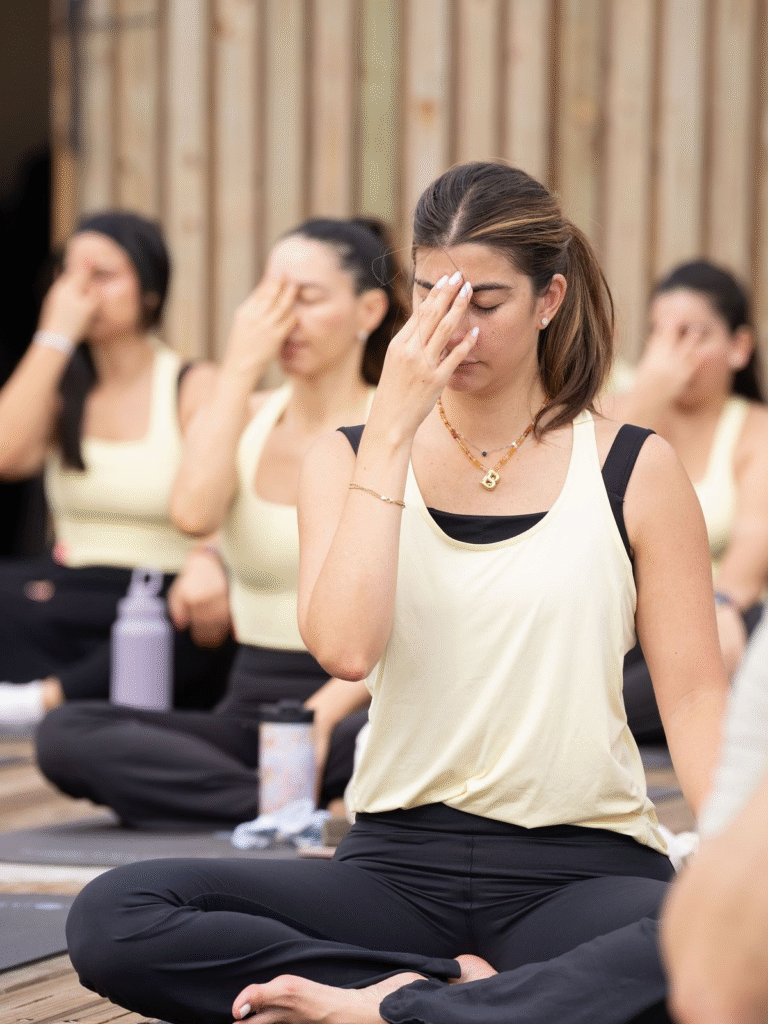
The breath becomes an anchor.
Each inhale and exhale gently returns awareness to the present.
Over time this strengthens concentration not only during yoga but throughout everyday life.
4. Breath Reduces Stress Naturally
One of the fastest ways to calm the nervous system is slow diaphragmatic breathing.
Research has shown that controlled breathing may help:
- Lower stress hormones
- Reduce anxiety
- Improve heart rate variability
- Promote relaxation
- Improve emotional regulation
Rather than forcing the mind to become calm, pranayama allows calmness to arise naturally.
5. Breath Supports Meditation
Many beginners struggle with meditation because the mind feels restless.
Ancient yoga texts recommend regulating the breath before meditation.
Once breathing becomes smooth and rhythmic, mental activity naturally becomes quieter.
This makes meditation more accessible even for complete beginners.
Why Breathwork Is Essential in Yoga vs Simply Breathing
| Normal Breathing | Yogic Breathwork (Pranayama) |
| Automatic | Conscious |
| Often shallow | Deep and controlled |
| Driven by emotions | Helps regulate emotions |
| Little awareness | Full awareness |
| Supports survival | Supports wellbeing and self-awareness |
| Passive | Intentional practice |
This distinction is important.
Everyone breathes.
Not everyone practices breath awareness.
Traditional Yoga Texts Why Breathwork Is Essential in Yoga
Authentic yoga has always emphasized the importance of breath.
Patanjali’s Yoga Sutras
Patanjali describes pranayama as the fourth limb of yoga, explaining that regulating the breath prepares the mind for deeper states of concentration and meditation.
The Hatha Yoga Pradipika explains that when the breath is unstable, the mind is unstable.
When the breath becomes steady, the mind naturally becomes peaceful.
This principle continues to guide traditional yoga education today.
Bhagavad Gita
The Bhagavad Gita refers to mindful breathing as part of self-discipline and inner awareness, encouraging practitioners to cultivate balance through conscious control of body, mind, and breath.
Scientific Benefits of Why Breathwork Is Essential in Yoga
While pranayama has ancient roots, modern research increasingly supports its benefits.
Studies suggest regular breathing practices may contribute to:
| Area | Potential Benefits |
| Nervous System | Better parasympathetic activation |
| Mental Health | Reduced stress and anxiety |
| Sleep | Improved sleep quality |
| Focus | Better concentration |
| Physical Performance | Improved breathing efficiency |
| Heart Health | Better heart rate variability |
| Emotional Wellbeing | Increased resilience |
Although individual results vary, the growing body of evidence supports many traditional observations about mindful breathing.
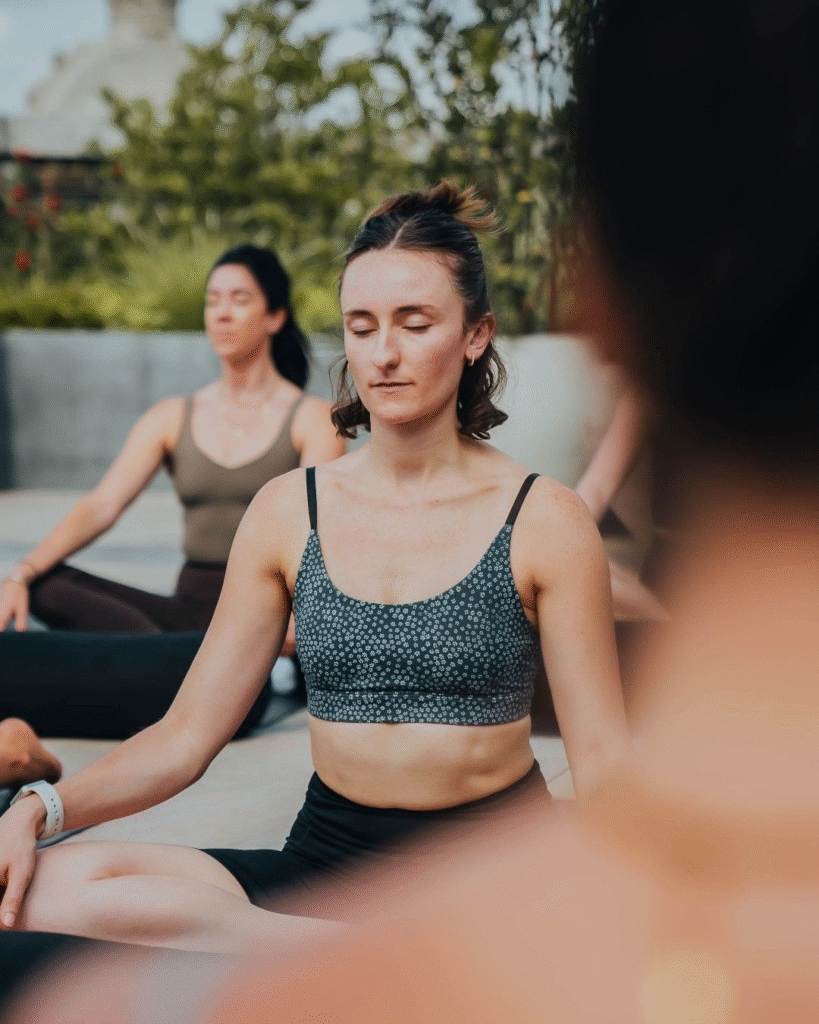
Common Pranayama Techniques
At Diksha Yoga School, students gradually learn breathing practices suitable for their experience level.
Nadi Shodhana
Alternate nostril breathing promotes balance and mental clarity.
Ideal for:
- Beginners
- Stress reduction
- Meditation preparation
Ujjayi Breath
Often used during Hatha and Vinyasa practice.
Benefits include:
- Better concentration
- Steady rhythm
- Internal awareness
Kapalabhati
A cleansing breathing practice emphasizing active exhalations.
Traditionally practiced under qualified guidance.
Bhramari
Known as Bee Breath.
Often practiced for:
- Relaxation
- Mental calmness
- Reducing mental chatter
Deep Diaphragmatic Breathing
One of the safest and most beneficial techniques for beginners.
It develops healthy breathing habits before progressing toward more advanced pranayama.
Common Mistakes Beginners Make
Many new students unintentionally reduce the effectiveness of their practice.
Some common mistakes include:
- Holding the breath during difficult poses
- Breathing too quickly
- Forcing deep inhalations
- Raising the shoulders while breathing
- Ignoring diaphragmatic breathing
- Practicing advanced pranayama without guidance
Breath should never feel strained.
Comfort, awareness, and gradual progress are the foundation of safe practice.
How We Teach Why Breathwork Is Essential in Yoga at Diksha Yoga School
At Diksha Yoga School, Why Breathwork Is Essential in Yoga is not treated as a short warm-up before asana practice.
Instead, students learn how breathing influences every aspect of yoga.
Our traditional yoga teacher training programs integrate:
- Classical pranayama practices
- Breath awareness during asana
- Yogic philosophy behind prana
- Meditation preparation
- Bandhas and energy awareness (for appropriate levels)
- Safe progression suitable for beginners and experienced practitioners
Students don’t simply memorize breathing techniques—they learn when, why, and how to use them in a sustainable personal practice and, for teacher trainees, how to teach them responsibly.
This approach reflects our commitment to preserving traditional yoga while making it practical for modern practitioners.
Teacher’s Insight from Yogini Manisha
“Over the last 16+ years of teaching yoga, I have seen many students arrive believing that mastering advanced postures is the key to progress. Yet the biggest transformation often begins when they learn to breathe consciously. Within just a few days of practicing pranayama, students commonly report feeling calmer, more focused, and more stable in balancing poses. Breath is not just a technique—it is the foundation that supports every aspect of yoga practice.”
Experience Matters: Why Learning from Qualified Teachers Is Important
Overthe last 16+ years of teaching yoga, Yogini Manisha has observed that beginners often focus on mastering postures while overlooking their breath. During our Yoga Teacher Training courses at Diksha Yoga School, students frequently notice that after just a few days of guided pranayama, balancing poses become steadier, their movements feel more effortless, and meditation becomes noticeably easier. This real-world teaching experience reinforces one timeless truth: the quality of your breath shapes the quality of your yoga practice.
At Diksha Yoga School, our teaching draws on years of experience training yoga practitioners and teachers in traditional Hatha Yoga and pranayama. We emphasise gradual progression, careful observation, and individualised guidance rather than rushing into advanced breathing techniques.
This teacher-led approach helps students build confidence, practice safely, and understand Why Breathwork Is Essential in Yoga as more than a technique—it becomes a lifelong tool for physical, mental, and spiritual wellbeing.
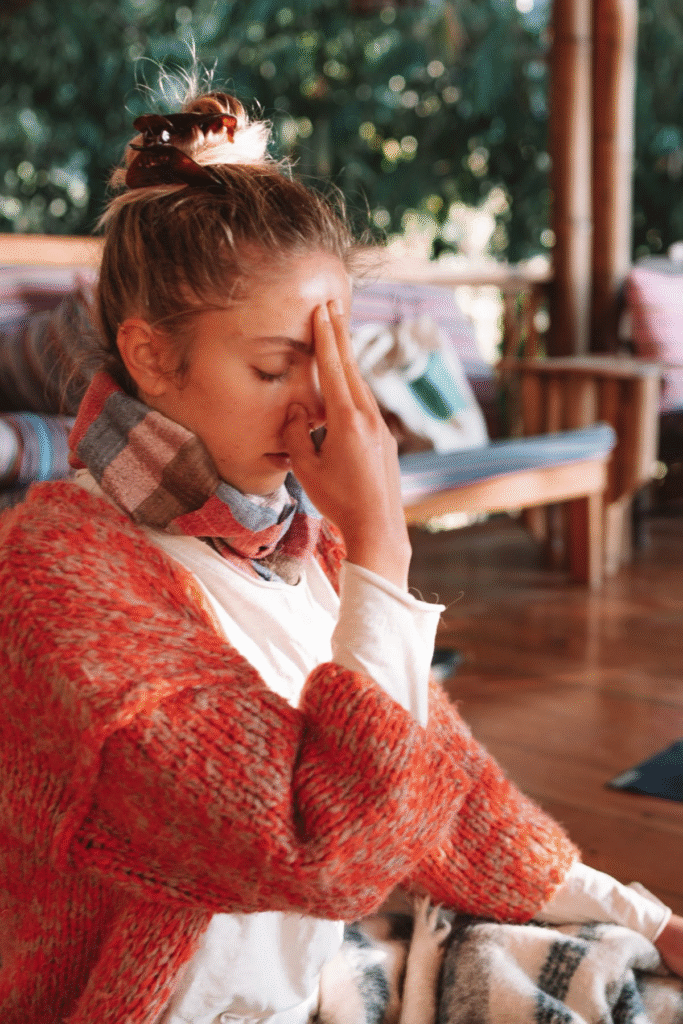
How to Begin a Daily Why Breathwork Is Essential in Yoga Practice
You don’t need an hour each day to experience the benefits.
A simple routine can include:
- Sit comfortably with an upright spine.
- Spend one minute observing your natural breath.
- Practice gentle diaphragmatic breathing for 3–5 minutes.
- Add a few rounds of Nadi Shodhana if you’ve learned the technique correctly.
- Finish by sitting quietly and noticing how your body and mind feel.
Consistency is more valuable than intensity. Even a few mindful minutes each day can support long-term wellbeing.
Frequently Asked Questions
Is Why Breathwork Is Essential in Yoga suitable for beginners?
Yes. Gentle breathing awareness and basic pranayama techniques are appropriate for most beginners when taught correctly.
Is pranayama different from meditation?
Yes. Pranayama focuses on regulating the breath, while meditation develops sustained awareness. Why Breathwork Is Essential in Yoga often serves as a preparation for meditation.
How often should I practice Why Breathwork Is Essential in Yoga?
Daily practice, even for 5–10 minutes, is generally more beneficial than occasional longer sessions.
Can Why Breathwork Is Essential in Yoga improve yoga practice?
Most practitioners notice better concentration, smoother movement, improved relaxation, and greater body awareness when breath becomes an intentional part of practice.
Should advanced pranayama be practiced alone?
Traditional yoga recommends learning advanced breathing practices from qualified teachers to ensure proper technique and safety.
Final Thoughts
Yoga begins long before the body moves.
Every conscious breath creates an opportunity to become more present, more balanced, and more aware.
The postures strengthen the body.
The breath transforms the experience.
Whether your goal is to reduce stress, deepen meditation, become a yoga teacher, or simply live with greater awareness, learning pranayama can become one of the most valuable parts of your yoga journey.
At Diksha Yoga School, we believe that authentic yoga is not measured by the complexity of a posture but by the quality of awareness you bring to each breath. Through traditional teachings, experienced guidance, and a balanced approach, we help students develop a practice that extends far beyond the yoga mat.
“Breathe Deeper. Live Better.”
Discover the transformative power of Pranayama and deepen your yoga journey with expert guidance.
[ Explore Yoga Teacher Training → ]