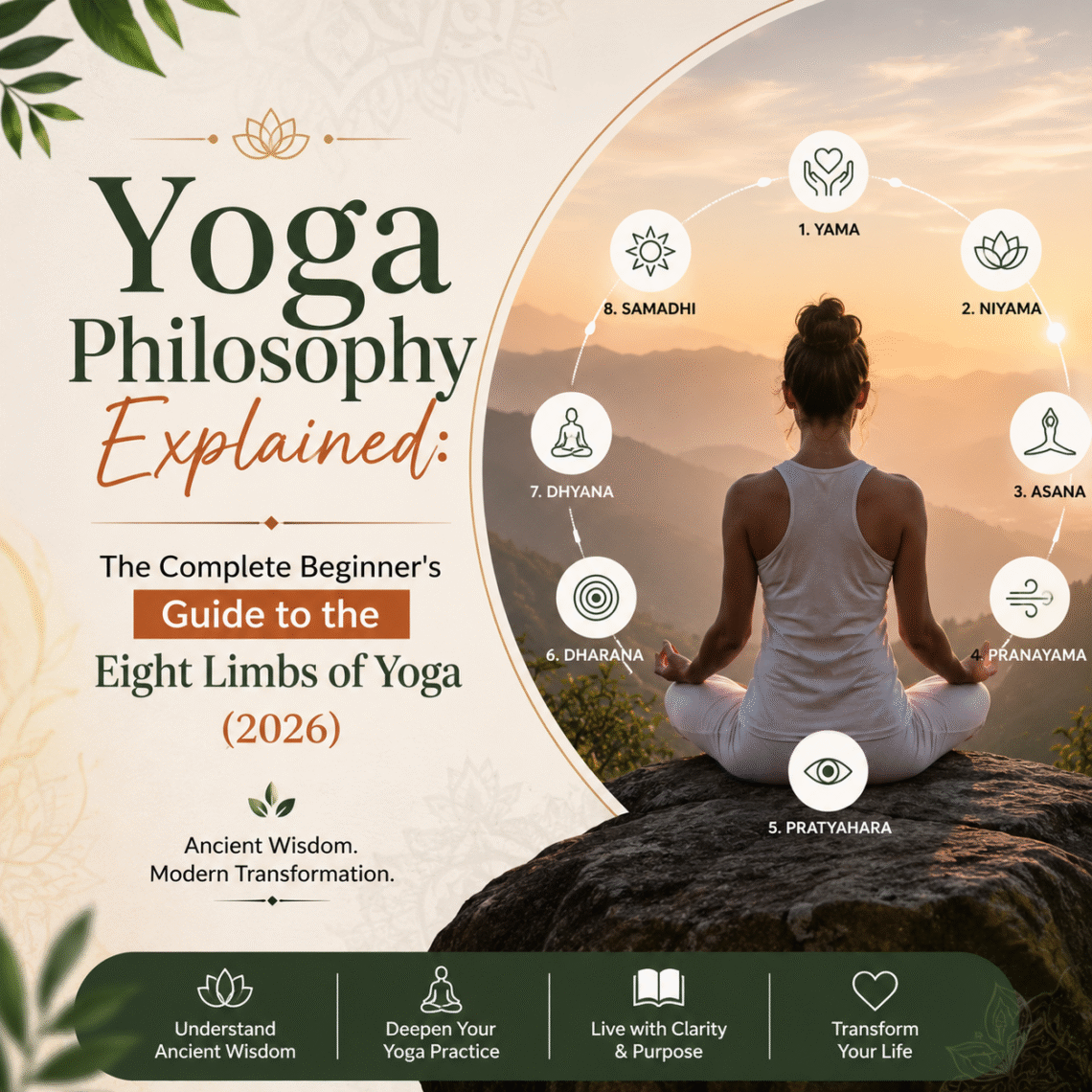
“Essential Yoga Philosophy Principles Yoga begins long before we step onto a yoga mat. It begins with understanding ourselves.”
“Yoga is not about changing who you are. It is about discovering who you have always been.”
Have you ever wondered why yoga has been practised for thousands of years and is still transforming lives across the world?
Many people believe yoga is only about stretching, flexibility, or learning beautiful poses. While asanas are an important part of yoga, they are actually just one small piece of a much bigger picture.
At Diksha Yoga School, we believe yoga is a complete way of living. Every breath, every thought, every action, and every relationship becomes part of the practice. This understanding is what we call Essential Yoga Philosophy Principles.
These teachings are shared through the experience of our founder Yogini Manisha, who has spent years teaching traditional Hatha Yoga, Essential Yoga Philosophy Principles, Meditation, and Yoga Teacher Training.
Whether you are joining your first 50 Hour Yoga Teacher Training, preparing for a 200 Hour Yoga Teacher Training, or deepening your knowledge in a 300 Hour Advanced Yoga Teacher Training, Essential Yoga Philosophy Principles provides the wisdom that supports every aspect of your practice. These philosophical teachings form an essential part of every Yoga Alliance Registered Yoga Teacher Training curriculum.
Throughout this guide, we will explain each concept in clear, simple language—just as we teach our students in class. You do not need any previous knowledge. We will begin with the basics and gradually explore deeper teachings that experienced practitioners and yoga teachers study.
By the end of this guide, you will understand not only what Essential Yoga Philosophy Principles teaches, but also how you can apply it in your everyday life.
Ifyou’d like to see how philosophy, meditation, chanting, and practical discussions are taught during our courses, explore our Gallery to experience authentic student life at Diksha Yoga School.
Table of Contents
What Is Yoga Philosophy?
Essential Yoga Philosophy Principles is the collection of teachings that explain how we can create balance between the body, mind, emotions, and inner awareness.
Instead of telling us what to believe, Essential Yoga Philosophy Principles encourages us to observe ourselves. It helps us understand why we suffer, why our minds become restless, and how we can experience greater peace and clarity.
Unlike many philosophies that remain theoretical, Essential Yoga Philosophy Principles is practical. It is meant to be lived every day.
For example:
- How do we respond when someone speaks harshly?
- How do we manage stress at work?
- How do we stay calm during difficult situations?
- How can we live with kindness while maintaining healthy boundaries?
Essential Yoga Philosophy Principles offers guidance for all of these situations.
Quote: “True yoga begins when awareness enters every thought, every breath, and every action.”
Teacher’s Insight – Yogini Manisha
“When new students join Diksha Yoga School, many believe yoga is only about learning postures. One of my favourite moments as a teacher is watching them discover that yoga is actually a way of understanding themselves. That shift in perspective often transforms not only their practice but also their daily lives.”
Yoga Is More Than Physical Exercise
One of the biggest misunderstandings today is that yoga is simply a fitness routine.
While physical practice improves flexibility, strength, posture, and mobility, the ancient yogis viewed the body as only the starting point.
Their true goal was to understand the mind.
Think of yoga like a tree.
| Physical Yoga | Inner Yoga |
| Asana practice | Self-awareness |
| Strength | Mental clarity |
| Flexibility | Emotional balance |
| Better posture | Compassion |
| Mobility | Inner peace |
| Healthy body | Spiritual growth |
Both parts are important.
A healthy body supports meditation, while a peaceful mind allows the body to relax naturally.
This balance is why yoga has remained relevant for thousands of years
Where Did Essential Yoga Philosophy Principles Begin?
Yoga is one of the oldest living traditions in the world.
Its history stretches back more than 5,000 years in India.
Over time, many great sages explored questions such as:
- Why do humans suffer?
- What creates lasting happiness?
- How can we quiet the restless mind?
- What is our true nature?
Their experiences became the foundation of Essential Yoga Philosophy Principles.
Some of the most important texts include:
| Ancient Text | Why It Matters |
| Vedas | Earliest spiritual knowledge |
| Upanishads | Nature of the Self and consciousness |
| Bhagavad Gita | Yoga in daily life and action |
| Patanjali Yoga Sutras | The Eight Limbs of Yoga |
| Hatha Yoga Pradipika | Traditional Hatha Yoga practices |
| Gheranda Samhita | Cleansing, meditation, and yogic disciplines |
These texts continue to inspire yoga teachers and practitioners around the world.
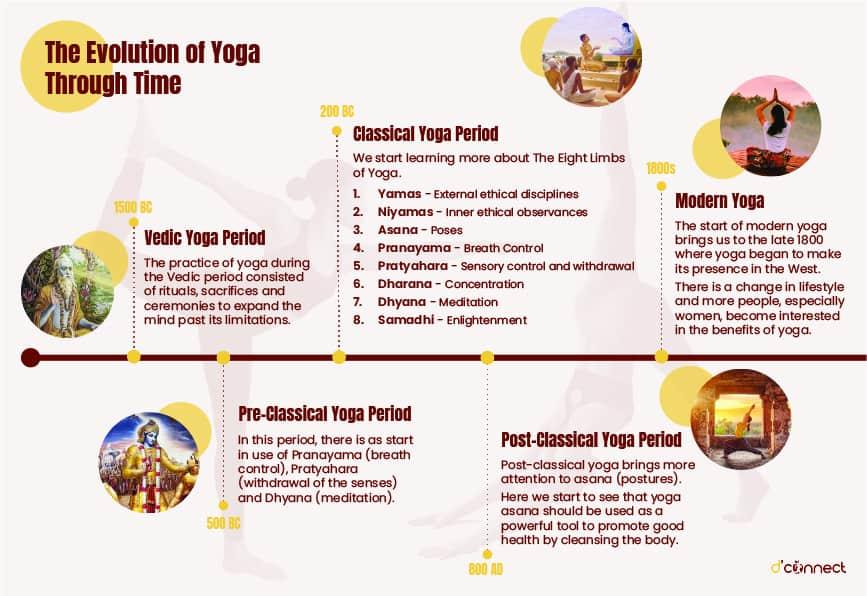
The Evolution of Essential Yoga Philosophy Principles Through History
Essential Yoga Philosophy Principles did not appear overnight. It developed gradually over thousands of years as sages observed nature, explored meditation, and shared their wisdom with future generations.
Understanding this timeline helps us appreciate why yoga continues to remain relevant even in modern life.
| Period | Development | Why It Matters Today |
| 2500 BCE | Early Indus Valley civilisation shows meditation-like seals and yogic symbols. | Suggests that yogic practices may have existed long before written texts. |
| 1500–1200 BCE | The Vedas introduce early spiritual knowledge, rituals, and sacred chants. | Forms the earliest foundation of Indian philosophy. |
| 800–500 BCE | The Upanishads explore the nature of the Self, consciousness, and meditation. | Introduces many ideas that later become central to yoga philosophy. |
| Around 500–200 BCE | The Bhagavad Gita explains Karma Yoga, Bhakti Yoga, and Jnana Yoga. | Teaches how yoga can be practised while living an active daily life. |
| Around 200 BCE–400 CE | Patanjali compiles the Yoga Sutras, presenting the Eight Limbs of Yoga. | Becomes one of the world’s most influential Essential Yoga Philosophy Principles texts. |
| 14th–15th Century CE | Texts such as the Hatha Yoga Pradipika explain traditional Hatha Yoga practices. | Introduces cleansing techniques, pranayama, mudras, and meditation methods. |
| Today | Authentic yoga schools continue to combine traditional philosophy with modern teaching methods. | Yoga remains a practical path for physical health, mental clarity, and self-awareness. |
Today, whether someone joins a 50-Hour Yoga Teacher Training or an advanced 300-Hour Yoga Teacher Training, they are continuing a tradition that has evolved for thousands of years while remaining deeply relevant to modern life.
At Diksha Yoga School, these timeless teachings are delivered as part of our internationally recognised Yoga Alliance Registered Yoga Teacher Training programs, ensuring students learn authentic Essential Yoga Philosophy Principles alongside practical teaching skills.
Teacher’s Insight – Yogini Manisha
“Although these teachings are thousands of years old, I see every batch of students relate to them in modern ways. Stress, overthinking, and self-doubt may look different today, but the wisdom of yoga still offers practical guidance.”
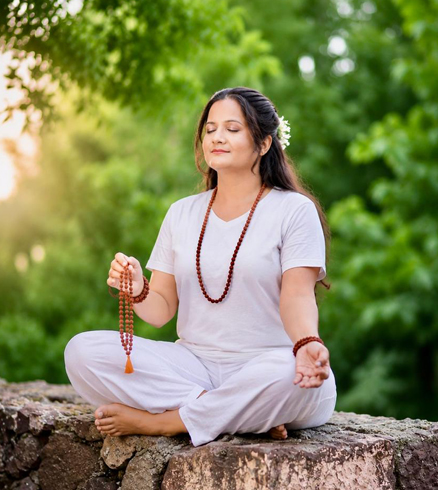
Why Is Essential Yoga Philosophy Principles Important for Modern Life?
“Ancient wisdom remains timeless because the human mind still seeks peace.”
Many people ask us,
“Can ancient teachings really help in today’s busy world?”
Our answer is yes.
Although technology has changed, the human mind has not.
People still experience:
- Anxiety
- Stress
- Overthinking
- Fear
- Anger
- Attachment
- Loneliness
- Burnout
Essential Yoga Philosophy Principles teaches practical ways to respond rather than react.
Instead of trying to control the outside world, yoga encourages us to develop stability within ourselves.
That inner stability becomes the foundation for healthier relationships, clearer decisions, and greater happiness.
Beginner to Advanced: How Essential Yoga Philosophy Principles Develops
At Diksha Yoga School, philosophy is introduced step by step so students never feel overwhelmed.
| Course Level | What Students Learn |
| 50-Hour Yoga TTC | Meaning of yoga, basic ethics, introduction to the Eight Limbs, mindful breathing, daily awareness. |
| 100-Hour Yoga TTC | Deeper understanding of Yamas, Niyamas, meditation basics, Bhagavad Gita introduction, applying philosophy in everyday life. |
| 200-Hour Yoga TTC | Patanjali Yoga Sutras, chakra philosophy, karma, teaching with authenticity, integrating philosophy into yoga classes. |
| 300-Hour Yoga TTC | Advanced Yoga Sutras, subtle body philosophy, deeper meditation practices, self-inquiry, teaching philosophy confidently and answering students’ questions. |
This gradual approach helps students understand not only the theory but also how to live these teachings naturally.
The True Meaning of the Word “Yoga”
The Sanskrit word Yoga comes from the root “Yuj,” meaning to unite or to join.
But what are we uniting?
Yoga teaches the union of:
- Body and mind
- Breath and movement
- Thoughts and actions
- Individual awareness and universal consciousness
Rather than becoming someone new, yoga helps us remember who we truly are beneath stress, fear, and constant mental activity.
This journey of self-discovery is at the heart of Essential Yoga Philosophy Principles.
Common Misconceptions About Essential Yoga Philosophy Principles
Many beginners feel nervous when they hear the word “philosophy.”
They imagine difficult Sanskrit words, complicated theories, or religious beliefs.
In reality, Essential Yoga Philosophy Principles is much simpler and more practical.
| Myth | Reality |
| Essential Yoga Philosophy Principles is only for teachers. | It is for everyone. |
| You must know Sanskrit. | Simple understanding is enough to begin. |
| It belongs to one religion. | Yoga welcomes people of every background. |
| It is difficult to understand. | It becomes clear when explained through daily life. |
| It is only about meditation. | It guides how we think, act, speak, and live. |
What You Will Learn in This Complete Guide
In the following sections, we will explore:
- The real purpose of yoga
- Patanjali and the Yoga Sutras
- The Eight Limbs of Yoga explained step by step
- Yamas and Niyamas with modern examples
- Asana beyond physical exercise
- Breath control through Pranayama
- The meaning of Pratyahara
- Dharana, Dhyana, and Samadhi
- Karma and the law of cause and effect
- The three Gunas
- The five Koshas
- The Kleshas and overcoming suffering
- The chakra system from a philosophical perspective
- How Essential Yoga Philosophy Principles supports yoga teachers
- Practical ways to apply these teachings every day
Whether your goal is to deepen your personal practice or become a confident yoga teacher, these timeless teachings can become a lifelong guide.
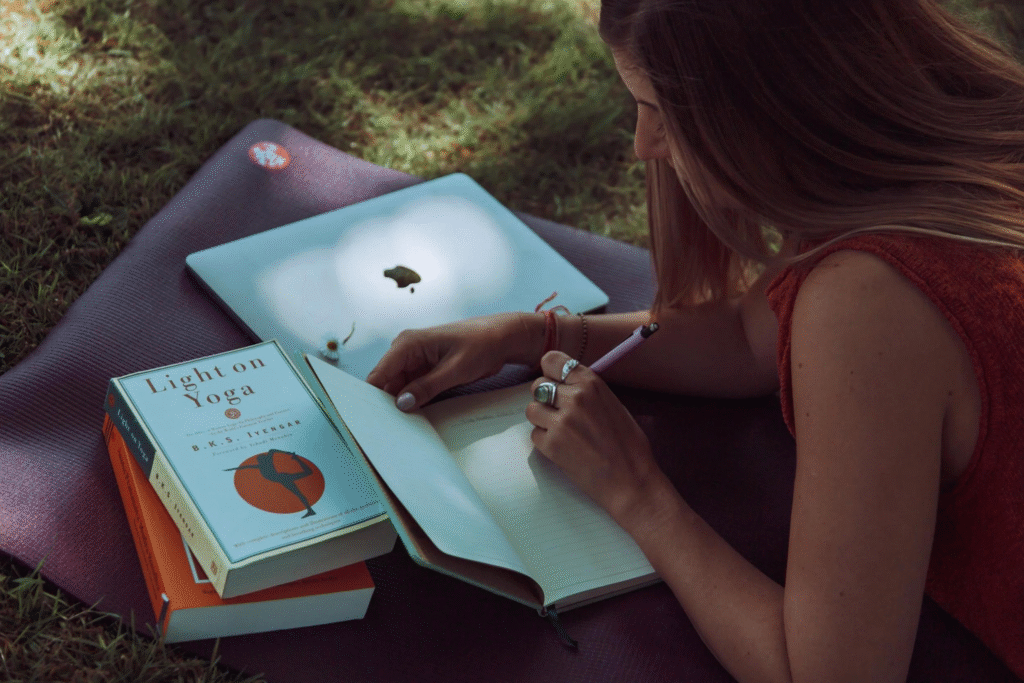
Part 2 – Sage Patanjali and the Eight Limbs of Yoga: The Foundation of Every Yoga Teacher
Before we explore the Eight Limbs of Yoga, it is important to understand where these teachings come from and why they continue to guide millions of yoga practitioners around the world.
At Diksha Yoga School, we often tell our students that learning Essential Yoga Philosophy Principles is like learning the roots of a tree. When the roots are strong, every branch grows naturally. In the same way, when we understand the philosophy behind yoga, our asana practice, meditation, teaching, and daily life become more meaningful.
Whether you are beginning your journey in a 50-Hour Yoga Teacher Training or deepening your studies in a 300-Hour Advanced Yoga Teacher Training, the teachings of Sage Patanjali provide a timeless foundation.
Who Was Sage Patanjali?
Sage Patanjali is regarded as one of the greatest teachers in the history of yoga. Although historians are not certain of the exact dates of his life, he is traditionally believed to have lived more than 2,000 years ago.
Rather than inventing yoga, Patanjali gathered the wisdom that had already been passed down through generations of yogis and organised it into a clear and practical system.
This system became known as the Yoga Sutras.
Today, yoga teachers across the world continue to study this text because it explains not only how to practise yoga but why we practise it.
His teachings remain relevant because human emotions have not changed. We still experience stress, fear, attachment, distraction, and uncertainty. Patanjali offers practical methods to work with the mind rather than being controlled by it.
Quote Box
“Patanjali did not create yoga. He gave generations of practitioners a clear path to understand it.”
Teacher’s Insight – Yogini Manisha
“I encourage our students not to see the Yoga Sutras as difficult philosophy. Instead, we explore how each teaching appears in everyday situations—during conversations, relationships, work, and personal practice.”
What Are the Yoga Sutras?
The Yoga Sutras are a collection of approximately 196 short verses, known as sutras.
The Sanskrit word sutra means thread.
Just as a thread connects beads in a necklace, each sutra connects an important idea about living a balanced and meaningful life.
These verses are intentionally short. Ancient teachers explained them to students through discussion, reflection, and personal practice. Even today, experienced yoga teachers continue to study these teachings throughout their lives.
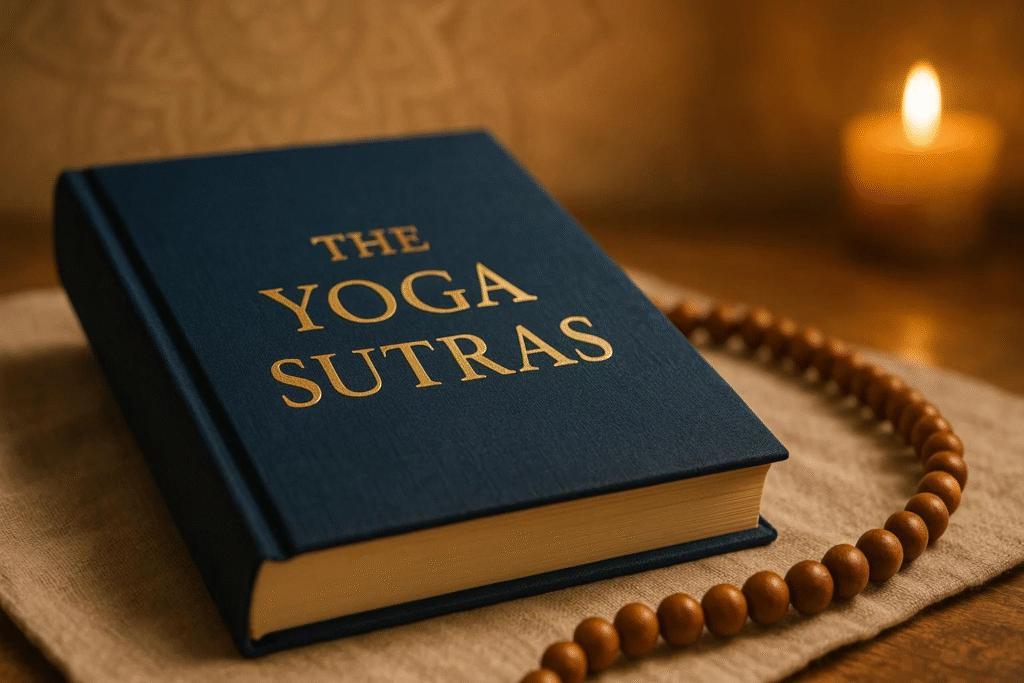

The Purpose of the Yoga Sutras
Many beginners think the Yoga Sutras are a book about yoga poses.
In reality, very little of the text discusses physical postures.
Instead, Patanjali focuses on understanding the mind.
He asks questions such as:
- Why do we become anxious?
- Why do our thoughts constantly change?
- Why do we react emotionally?
- How can we experience lasting peace?
- How do we discover our true nature?
The answers form the heart of Essential Yoga Philosophy Principles.
The Most Famous Yoga Sutra
One of the best-known verses is:
“Yogas Chitta Vritti Nirodhah.”
This can be understood in simple language as:
“Yoga is the practice of calming the fluctuations of the mind.”
Notice that this definition says nothing about flexibility or difficult poses.
Instead, yoga is described as learning to observe thoughts without becoming overwhelmed by them.
Imagine standing beside a river.
If the water is rough and muddy, it is difficult to see the bottom.
When the water becomes still, everything becomes clear.
Our minds work in the same way.
When the mind is constantly busy, we struggle to see situations clearly. Through yoga, the mind gradually becomes calmer, allowing wisdom and clarity to arise naturally.
Why Do Yoga Teachers Study the Yoga Sutras?
Many students wonder why philosophy is included in Yoga Teacher Training.
The answer is simple.
A yoga teacher does much more than demonstrate poses.
A teacher learns how to:
- Create a safe and supportive environment.
- Encourage self-awareness instead of comparison.
- Help students develop patience.
- Teach mindful breathing.
- Inspire confidence.
- Guide meditation.
- Share yoga as a complete lifestyle.
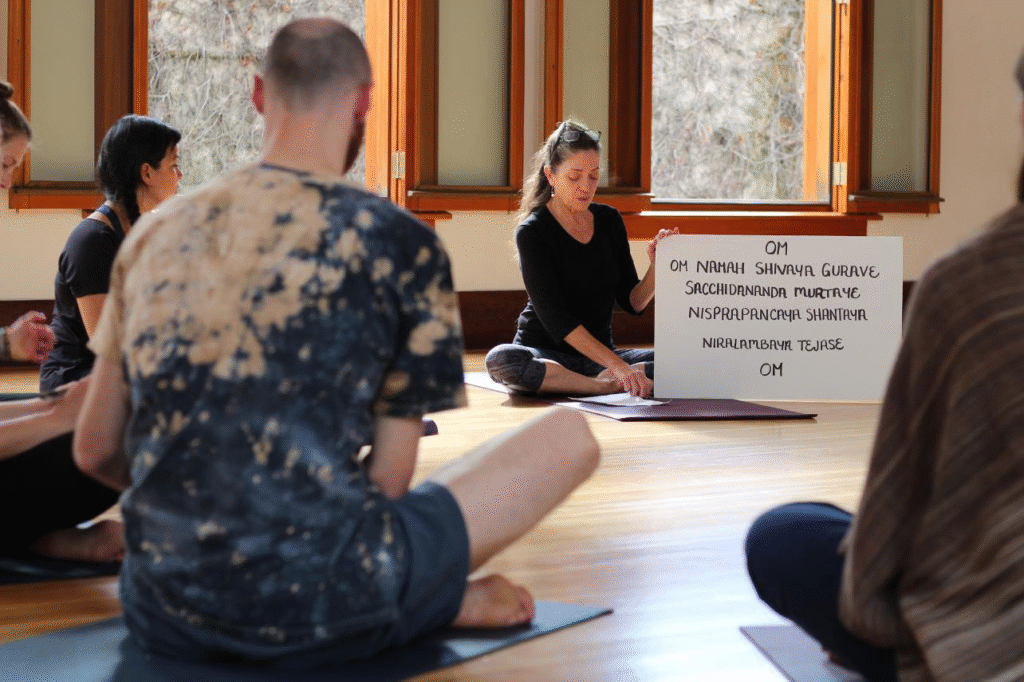
Without philosophy, yoga can become only physical exercise.
With philosophy, every class becomes an opportunity for personal growth.
How We Teach Essential Yoga Philosophy Principles at Diksha Yoga School
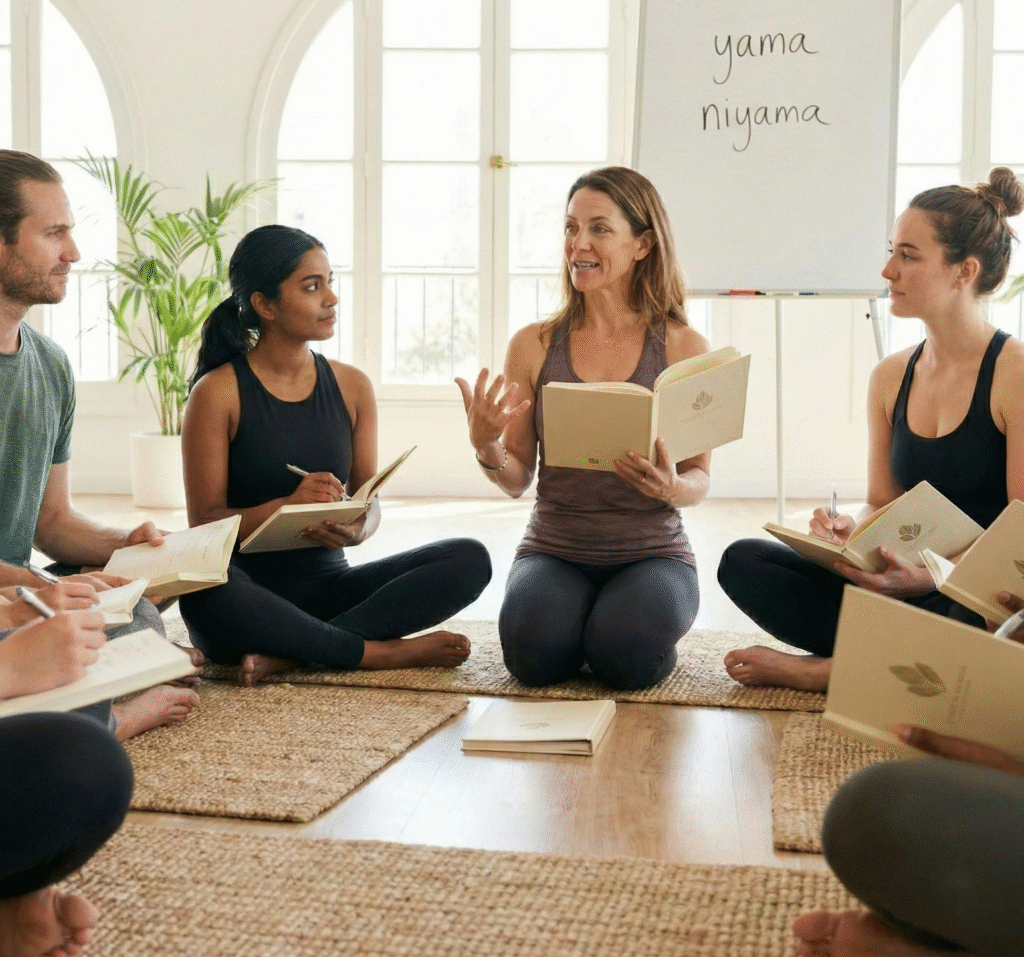
Our philosophy classes are designed to be practical rather than theoretical.
Instead of memorising Sanskrit verses, we encourage students to understand how these teachings appear in everyday life.
For example, we ask questions like:
- How do we respond when someone criticises us?
- Can we remain calm during stressful situations?
- How can we practise kindness without ignoring our own needs?
- What does mindfulness look like during an ordinary day?
These discussions help students connect ancient wisdom with modern living.
What Are the Eight Limbs of Yoga?
The most famous teaching in the Yoga Sutras is the Eight Limbs of Yoga, also known as Ashtanga Yoga.
The Sanskrit word:
- Ashta = Eight
- Anga = Limbs or parts
These eight limbs describe a complete path of personal development.
Rather than being separate practices, they support one another like the branches of a healthy tree.
Quote Box
“The Eight Limbs are not eight separate practices—they are one complete journey toward self-awareness.”
The Eight Limbs at a Glance
| Limb | Sanskrit | Simple Meaning |
| 1 | Yama | How we treat others |
| 2 | Niyama | How we care for ourselves |
| 3 | Asana | Steady and comfortable posture |
| 4 | Pranayama | Breath awareness and energy regulation |
| 5 | Pratyahara | Turning attention inward |
| 6 | Dharana | Concentration |
| 7 | Dhyana | Meditation |
| 8 | Samadhi | Deep inner peace and unity THE JOURNEY OF YOGA YAMA (Ethical Living) ↓ NIYAMA (Personal Discipline) ↓ ASANA (Steady Body) ↓ PRANAYAMA (Balanced Breath) ↓ PRATYAHARA (Turning Inward) ↓ DHARANA (Concentration) ↓ DHYANA (Meditation) ↓ SAMADHI (Inner Peace & Unity) Caption Figure 1. The Eight Limbs of Yoga form a progressive path from ethical living to inner awareness and self-realisation. |
Think of the Eight Limbs Like Building a House
Many people want to begin with meditation because it seems peaceful.
However, Patanjali explains that meditation becomes much easier when the earlier foundations are in place.
Imagine building a house.
| Building a House | Yoga Practice |
| Foundation | Yama |
| Strong walls | Niyama |
| Structure | Asana |
| Ventilation | Pranayama |
| Quiet rooms | Pratyahara |
| Focused workspace | Dharana |
| Comfortable living | Dhyana |
| Feeling truly at home | Samadhi |
Skipping the foundation makes the whole structure unstable.
In the same way, each limb supports the next.
Are the Eight Limbs Practised One After Another?
This is a common misunderstanding.
Many beginners believe they must completely master one limb before moving to the next.
In reality, they develop together.
For example:
- While practising asana, you also practise mindful breathing.
- During meditation, you develop concentration.
- Through kindness, you naturally strengthen your meditation practice.
- Regular self-reflection improves every part of yoga.
The Eight Limbs grow together throughout your life.
Beginner to Advanced Learning Journey
At Diksha Yoga School, students explore the Eight Limbs gradually.
| Training Level | Philosophy Focus |
| 50-Hour Yoga TTC | Introduction to Patanjali, meaning of yoga, overview of the Eight Limbs, simple daily practices. |
| 100-Hour Yoga TTC | Applying Yamas and Niyamas in daily life, understanding breath awareness, beginning meditation. |
| 200-Hour Yoga TTC | Detailed study of the Yoga Sutras, teaching philosophy alongside asana, connecting philosophy to class sequencing. |
| 300-Hour Yoga TTC | Advanced interpretation of the Sutras, self-inquiry, mentoring students, integrating philosophy into teaching and personal practice. |
By progressing in this way, students build confidence without feeling overwhelmed.
Why the First Two Limbs Matter So Much
Many modern yoga classes begin with movement.
Patanjali begins somewhere else.
He starts with our behaviour.
Before teaching difficult postures or advanced meditation, he asks us to reflect on questions like:
- Am I honest?
- Am I kind?
- Can I be content with what I have?
- Do my actions create peace or conflict?
- How do I treat myself?
These reflections become the foundation of yoga.
Without them, physical practice may improve flexibility, but it may not bring lasting inner transformation.
Part 3 – Yamas and Niyamas: The Heart of Yogic Living
“The way we live outside the yoga studio is just as important as the way we practise on the mat.”
Many people believe yoga begins when they roll out their yoga mat.
According to Sage Patanjali, yoga actually begins much earlier—with the choices we make every day.
Before learning advanced postures, breathing techniques, or meditation, Patanjali introduced two important foundations:
- Yamas – How we interact with the world around us.
- Niyamas – How we care for ourselves and develop inner discipline.
At Diksha Yoga School, these teachings are introduced from the very beginning of our 50-Hour Yoga Teacher Training and continue to deepen throughout our 100-Hour, 200-Hour, and 300-Hour Yoga Teacher Training programs. We encourage students not to memorise these principles, but to experience them through daily life.
When practised consistently, the Yamas and Niyamas help us become calmer, kinder, more aware, and better prepared for deeper yoga practices.
Quote Box
“How we behave when no one is watching is where Essential Yoga Philosophy Principles truly begins.”
What Are the Yamas?
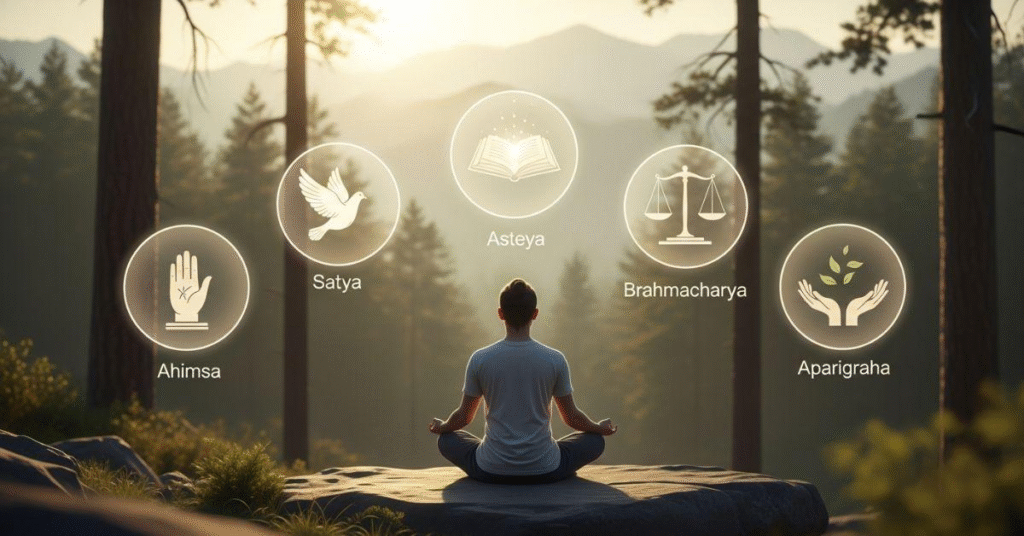
The Yamas are often described as ethical guidelines or universal values. They help us build healthy relationships with others and with the world around us.
There are five Yamas.
| Yama | Sanskrit Meaning | Simple Understanding |
| Ahimsa | Non-violence | Practising kindness and compassion |
| Satya | Truthfulness | Being honest with ourselves and others |
| Asteya | Non-stealing | Respecting others’ time, energy, and possessions |
| Brahmacharya | Wise use of energy | Living with balance and moderation |
| Aparigraha | Non-attachment | Letting go of greed and unnecessary attachment |
These are not strict rules. They are practices that we gradually develop throughout our lives.
1. Ahimsa – Practising Kindness
Ahimsa means non-violence, but its meaning is much broader than simply avoiding physical harm.
It encourages kindness in:
- Thoughts
- Words
- Actions
- Relationships
- The way we treat ourselves
Many people speak kindly to others but criticise themselves constantly.
Yoga reminds us that self-compassion is also part of Ahimsa.
Everyday Examples of Ahimsa
✓ Speaking respectfully during disagreements
✓ Avoiding harsh self-judgement after making mistakes
✓ Practising yoga without forcing the body into painful positions
✓ Choosing patience instead of anger
✓ Supporting others rather than comparing ourselves with them
2. Satya – Living Truthfully
Satya means truthfulness.
This includes being honest with others, but it also means being honest with ourselves.
Sometimes we pretend everything is fine even when we feel exhausted.
Sometimes we ignore our emotions.
Sometimes we compare ourselves to others instead of accepting where we are.
Practising Satya means recognising reality with kindness rather than denial.
Example
Instead of saying:
“I must master every advanced pose.”
Yoga encourages us to say:
“I will practise consistently and respect where my body is today.”
This creates steady progress without frustration.
3. Asteya – Respecting What Belongs to Others
Asteya literally means not stealing.
Most people immediately think of material possessions.
However, Essential Yoga Philosophy Principles teaches that stealing can happen in many subtle ways.
Examples include:
- Interrupting someone repeatedly
- Wasting another person’s time
- Taking credit for someone else’s work
- Copying without giving recognition
- Expecting constant attention without appreciation
Practising Asteya helps us become more respectful and mindful.
4. Brahmacharya – Managing Our Energy Wisely
Brahmacharya is often misunderstood.
Some people believe it refers only to celibacy.
While traditional interpretations include this for certain spiritual practitioners, in modern yoga it is often understood as using our energy wisely.
Every day we spend energy through:
- Work
- Social media
- Worry
- Stress
- Physical activity
- Emotions
Yoga asks us to notice:
Where is my energy going?
When we reduce unnecessary distractions, we naturally have more energy for meaningful activities.
Healthy Examples
5. Aparigraha – Letting Go
Aparigraha means non-attachment or non-grasping.
Modern life often encourages us to collect more:
- More possessions
- More achievements
- More followers
- More comparisons
Yoga invites us to ask a different question:
“Do I truly need this?”
Letting go creates space for gratitude.
This does not mean giving away everything we own.
Instead, it means learning not to depend on external things for inner happiness.
Quote Box
“Inner peace grows naturally when our actions reflect our values.
Summary of the Five Yamas
| Yama | Daily Practice |
| Ahimsa | Speak kindly to yourself and others |
| Satya | Be honest without being hurtful |
| Asteya | Respect time, ideas, and belongings |
| Brahmacharya | Protect your physical and mental energy |
| Aparigraha | Appreciate what you already have |
| 🌿 Teacher’s Insight – Yogini Manisha “Students often tell me that practising Ahimsa toward themselves is harder than practising it toward others. Learning to replace self-criticism with self-awareness is one of the most meaningful lessons yoga can offer.” |
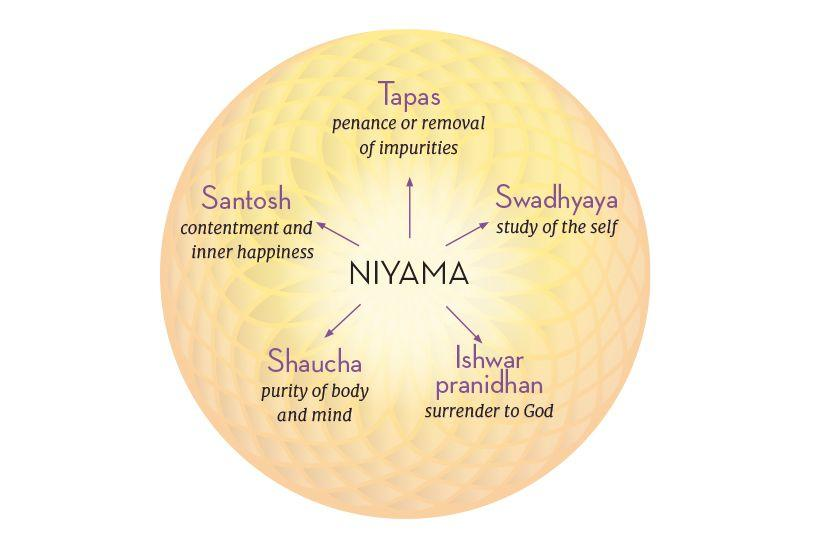
What Are the Niyamas?
If the Yamas describe how we relate to others, the Niyamas describe how we develop ourselves.
These personal practices help build discipline, gratitude, and inner growth.
There are five Niyamas.
| Niyama | Meaning | Daily Practice |
| Saucha | Purity | Clean body, mind, and environment |
| Santosha | Contentment | Appreciating the present moment |
| Tapas | Discipline | Consistent effort toward growth |
| Svadhyaya | Self-study | Learning about ourselves |
| Ishvara Pranidhana | Surrender | Trusting the larger journey of life |
1. Saucha – Cleanliness Inside and Outside
Saucha means cleanliness.
This includes much more than personal hygiene.
Yoga encourages us to keep clean:
- Our body
- Our surroundings
- Our thoughts
- Our habits
- Our speech
A tidy practice space often supports a calmer mind.
Similarly, reducing negative thinking creates more mental clarity.
2. Santosha – Finding Contentment
Contentment does not mean giving up on our goals.
Instead, it means appreciating the present while continuing to grow.
Many people believe:
“I’ll be happy when…”
- I become more flexible.
- I earn more money.
- I complete teacher training.
- I master advanced poses.
Yoga teaches us to enjoy the journey rather than waiting for happiness in the future.
3. Tapas – The Power of Discipline
Tapas means disciplined effort.
Progress in yoga rarely comes from practising once in a while.
Instead, small daily actions create lasting transformation.
Examples include:
- Waking up early for practice
- Returning to the mat consistently
- Maintaining healthy habits
- Continuing even when motivation decreases
Discipline creates confidence.
4. Svadhyaya – Learning About Yourself
Svadhyaya combines two practices:
- Studying classical yoga teachings.
- Observing your own thoughts, emotions, and behaviours.
Questions you might ask include:
- Why did I react strongly today?
- What habits help me grow?
- What fears keep appearing?
- How does yoga change the way I respond to challenges?
This reflection gradually increases self-awareness.
5. Ishvara Pranidhana – Trusting the Process
One of the most beautiful teachings in yoga is learning to do our best while letting go of excessive control over the results.
This is Ishvara Pranidhana.
It reminds us:
- We can control our effort.
- We cannot control everything that happens.
Instead of worrying constantly about outcomes, we focus on sincere practice and trust that growth happens over time.
Summary of the Five Niyamas
| Niyama | Simple Daily Example |
| Saucha | Keep your body, mind, and space clean |
| Santosha | Appreciate what you have today |
| Tapas | Stay consistent with your practice |
| Svadhyaya | Reflect and continue learning |
| Ishvara Pranidhana | Do your best and let go of attachment to results |
How the Yamas and Niyamas Support Every Yoga Teacher
As students progress through Yoga Teacher Training, these principles become more than personal practices—they shape the way teachers guide others.
| Course Level | Philosophy Focus |
| 50-Hour TTC | Learn the names and meanings of the Yamas and Niyamas. |
| 100-Hour TTC | Apply these principles to daily life and personal practice. |
| 200-Hour TTC | Integrate yogic values into teaching, communication, and classroom ethics. |
| 300-Hour TTC | Explore deeper interpretations, mentor students, and confidently explain these teachings in yoga classes. |
A skilled yoga teacher is not recognised by advanced poses alone, but by patience, compassion, integrity, and presence. The Yamas and Niyamas help cultivate these qualities naturally.
Bringing These Teachings Into Everyday Life
The beauty of Essential Yoga Philosophy Principles is that it is meant to be lived, not just studied.
You don’t need a perfect meditation practice or years of experience to begin.
Start with simple actions:
- Speak kindly to yourself.
- Listen carefully when others are talking.
- Practise gratitude every day.
- Keep your practice space clean.
- Stay consistent, even if your practice is short.
- Reflect on your thoughts without judging yourself.
- Focus on sincere effort rather than perfection.
These small habits gradually transform not only your yoga practice but also the way you experience daily life.
Part 4 – Asana, Pranayama, and Pratyahara: Moving from the Body to the Mind
“The body is the doorway to the mind, and the breath is the bridge between them.”
When most people hear the word yoga, they immediately think of physical postures. Beautiful backbends, balancing poses, and flexibility often represent yoga on social media.
However, according to Sage Patanjali, physical postures are only the third limb of yoga.
This surprises many beginners.
In the Yoga Sutras, Patanjali does not describe hundreds of yoga poses. Instead, he explains that the body should become stable and comfortable so the mind can become calm.
At Diksha Yoga School, we encourage our students to see asana as more than exercise. Every posture becomes an opportunity to develop awareness, patience, balance, and mindful breathing.
As students move from a 50-Hour Yoga Teacher Training to an Advanced 300-Hour Yoga Teacher Training, they gradually discover that yoga is not about achieving difficult poses—it is about transforming the way we experience ourselves.
The Third Limb: Asana
The Sanskrit word Asana simply means a steady and comfortable posture.
One of the most well-known Yoga Sutras says:
“Sthira Sukham Asanam.”
This is often translated as:
“A yoga posture should be steady and comfortable.”
Notice that Patanjali does not mention flexibility, advanced inversions, or impressive shapes.
Instead, he teaches two essential qualities:
- Sthira – Stability, strength, and steadiness.
- Sukha – Ease, comfort, and relaxation.
A balanced yoga practice includes both.
Too much effort creates tension.
Too much relaxation creates instability.
True yoga finds harmony between these two qualities.
Quote Box
“The goal of every posture is not perfection but presence.”
Why Do We Practise Asana?
Many beginners start yoga to become:
- More flexible
- Stronger
- Healthier
- Free from back pain
- Less stressed
These are wonderful benefits.
However, traditional yoga also teaches that asana prepares us for:
- Comfortable breathing
- Better concentration
- Meditation
- Long periods of sitting without discomfort
- Greater awareness of the body and mind
Rather than being the final goal, asana prepares us for the deeper limbs of yoga.
🌿 Teacher’s Insight – Yogini Manisha
“During our Yoga Teacher Training, I remind students that an advanced posture does not define an advanced yogi. Calm breathing, mindful awareness, and steady presence are much greater achievements.”
Classical Yoga vs Modern Yoga: Understanding the Difference
Today, yoga is often associated with flexibility, fitness, and social media. While these can be positive aspects of practice, the original purpose of yoga is much broader.
Traditional Essential Yoga Philosophy Principles teaches that the body is only one part of a much deeper journey toward self-awareness.
| Classical Yoga | Modern Fitness Yoga |
| Focuses on self-awareness and inner transformation. | Often focuses on physical fitness and appearance. |
| Uses the Eight Limbs of Yoga as a complete lifestyle. | Usually emphasises mainly physical postures (Asana). |
| Breath, meditation, and philosophy are equally important. | Classes may focus mostly on movement and stretching. |
| Success is measured by inner peace, awareness, and balance. | Success is often measured by flexibility or difficult poses. |
| Encourages lifelong personal growth. | Often aims for short-term physical goals. |
| Integrates ethics, meditation, breathwork, and mindful living. | May not include philosophy or meditation. |
Neither approach is “wrong.” Physical yoga can be an excellent starting point for improving health and well-being. However, traditional Essential Yoga Philosophy Principles reminds us that physical practice is only one part of a much larger journey. As our understanding deepens, yoga naturally becomes a way of living rather than simply a form of exercise.
This is why, at Diksha Yoga School, our Yoga Teacher Training courses gradually introduce students to philosophy, meditation, pranayama, and yogic living alongside physical practice. We believe that a truly balanced yoga teacher understands both the body and the mind.
Physical Benefits of Asana
A regular yoga practice supports many aspects of physical health.
| Benefit | How Yoga Helps |
| Flexibility | Improves muscle length and joint mobility |
| Strength | Builds balanced muscular support |
| Posture | Encourages healthy spinal alignment |
| Balance | Develops coordination and stability |
| Breathing | Creates more space for deeper breathing |
| Circulation | Encourages healthy blood flow |
| Recovery | Helps reduce muscular tension after daily activities |
These benefits develop gradually through regular and mindful practice.
Mental Benefits of Asana
The greatest changes often happen inside the mind.
During practice, we learn to observe:
- Impatience
- Frustration
- Self-judgement
- Comparison
- Fear
- Confidence
- Calmness
Each posture becomes an opportunity to notice our reactions.
Instead of competing with others, yoga teaches us to become more aware of ourselves.
Beginner vs Advanced Understanding of Asana
| Beginner Student | Experienced Practitioner |
| Focuses on achieving poses | Focuses on awareness within each pose |
| Thinks flexibility is success | Understands stability is equally important |
| Watches others frequently | Pays attention to inner experience |
| Measures progress by appearance | Measures progress by awareness and breath |
| Seeks perfection | Values consistent practice |
This shift in perspective is one of the biggest transformations students experience during Yoga Teacher Training.
The Fourth Limb: Pranayama
After establishing stability in the body, Patanjali introduces Pranayama.
Many people translate Pranayama as breathing exercises.
While breathing techniques are part of it, the meaning is deeper.
The word can be understood as:
- Prana – Life force or vital energy.
- Ayama – Expansion, regulation, or extension.
Pranayama is the practice of becoming aware of and regulating our breath to support physical, mental, and emotional balance.
Quote Box
“When you change your breath, you begin to change your mind.”
Why Is the Breath So Important?
Notice what happens when you feel anxious.
Your breathing often becomes:
- Fast
- Shallow
- Uneven
Now think about a peaceful moment.
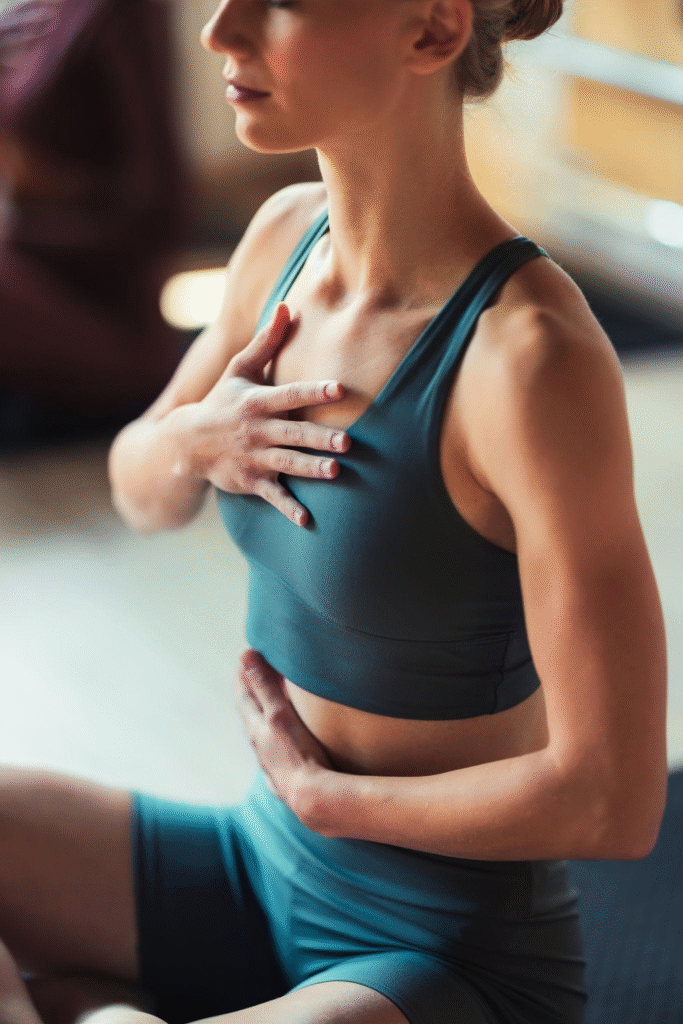
Your breathing naturally becomes:
- Slow
- Deep
- Relaxed
The breath reflects the state of the mind.
The wonderful thing is that this relationship works both ways.
When we consciously slow and deepen the breath, the nervous system often responds by becoming calmer.
This is one reason why breath awareness is such an important part of yoga practice.
🌿 Teacher’s Insight – Yogini Manisha
“Whenever a student feels anxious before teaching their first class, we always return to the breath. A few conscious breaths can completely change the way we feel, think, and respond.”
Simple Benefits of Pranayama
| Practice | Possible Benefits |
| Slow breathing | Encourages relaxation |
| Deep breathing | Supports oxygen exchange |
| Balanced breathing | Helps improve focus |
| Mindful breathing | Increases self-awareness |
| Regular practice | Supports emotional resilience |
Pranayama is never about forcing the breath. It is about developing a gentle, steady, and conscious relationship with it.
Common Pranayama Practices
During Yoga Teacher Training, students are gradually introduced to traditional breathing techniques.
| Practice | Purpose |
| Dirgha (Three-Part Breath) | Encourages full, relaxed breathing |
| Nadi Shodhana | Balances the breath and supports mental clarity |
| Ujjayi | Develops steady breathing during asana |
| Bhramari | Encourages relaxation through humming |
| Kapalabhati* | Cleansing practice taught with proper guidance |
| Bhastrika* | Energising breath introduced at appropriate levels |
*Advanced techniques should always be learned under the guidance of an experienced yoga teacher.
How Breath Changes Your Yoga Practice
Imagine holding the same posture in two different ways.
Without Breath Awareness
- Holding tension in the shoulders
- Rushing to finish
- Thinking about the next pose
- Feeling frustrated
With Breath Awareness
- Relaxed face
- Smooth breathing
- Calm concentration
- Greater stability
- More enjoyment
The posture may look identical from the outside.
Inside, however, the experience is completely different.
That difference is yoga.
The Fifth Limb: Pratyahara
Pratyahara is often one of the most misunderstood limbs because it cannot easily be seen.
The Sanskrit word can be understood as:
“Withdrawing the senses inward.”
This does not mean shutting out the world completely.
Instead, it means learning not to become controlled by every sound, sight, thought, or distraction.
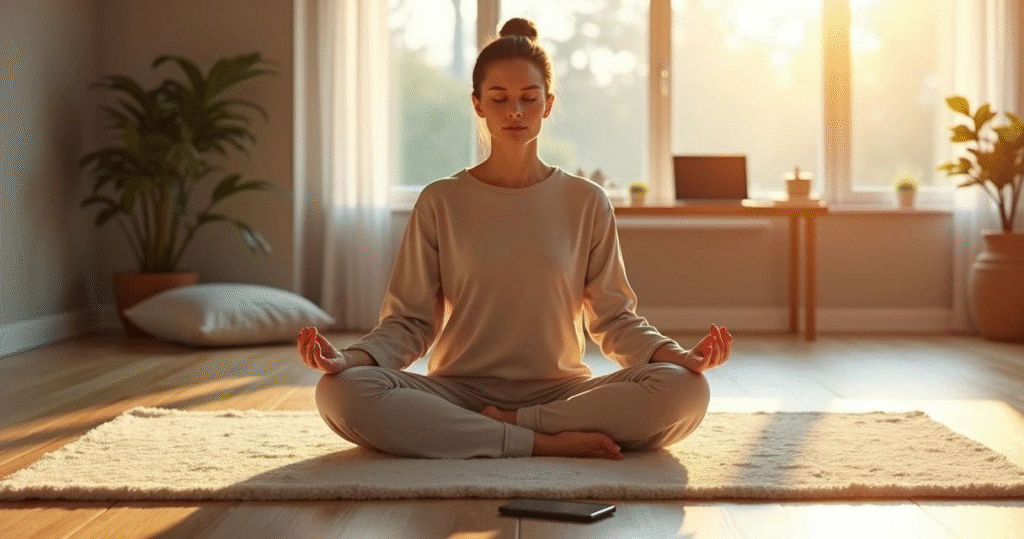
A Modern Example of Pratyahara
Imagine sitting quietly for meditation.
Suddenly you hear:
- A notification on your phone.
- Someone talking nearby.
- A car passing outside.
- Music in the distance.
Normally the mind follows every distraction.
Pratyahara teaches us to notice these experiences without immediately reacting to them.
Instead of constantly moving outward, attention gradually turns inward.
Quote Box
“Freedom begins when we choose where our attention goes.”
Why Is Pratyahara So Important Today?
Modern life offers endless stimulation.
Every day we experience:
- Social media
- Emails
- Advertisements
- Notifications
- Television
- Constant conversations
Without realising it, our attention is pulled in many different directions.
Pratyahara helps us regain control of our focus.
Rather than allowing the outside world to constantly decide where our attention goes, we learn to choose consciously.

Everyday Ways to Practise Pratyahara
You don’t need to live in a cave or a forest.
Simple daily practices include:
- Eating meals without looking at your phone.
- Walking in nature without listening to music.
- Spending a few minutes in silence each day.
- Practising yoga without comparing yourself to others.
- Observing your thoughts instead of reacting immediately.
These small habits strengthen awareness and prepare the mind for meditation.
How These Three Limbs Work Together
| Limb | Focus | Outcome |
| Asana | Body | Stability and comfort |
| Pranayama | Breath | Balanced energy and a calmer mind |
| Pratyahara | Senses | Greater inner awareness and focus |
Together, they create a bridge from the physical body to the inner experience of yoga.
What Students Learn at Each Training Level
| Course | Main Focus |
| 50-Hour Yoga TTC | Safe alignment, basic breathing awareness, understanding the purpose of asana. |
| 100-Hour Yoga TTC | Foundational pranayama techniques, longer practice sessions, introduction to inward awareness. |
| 200-Hour Yoga TTC | Teaching alignment, cueing breath, sequencing with intention, introducing philosophy into physical practice. |
| 300-Hour Yoga TTC | Advanced pranayama, subtle energy awareness, therapeutic applications, integrating breath and philosophy into teaching. |
As students progress, they begin to understand that every movement, every breath, and every moment of awareness is connected.
A Teacher’s Reflection
One of the biggest lessons we share with our students is this:
You do not need to perform the most advanced pose to experience yoga.
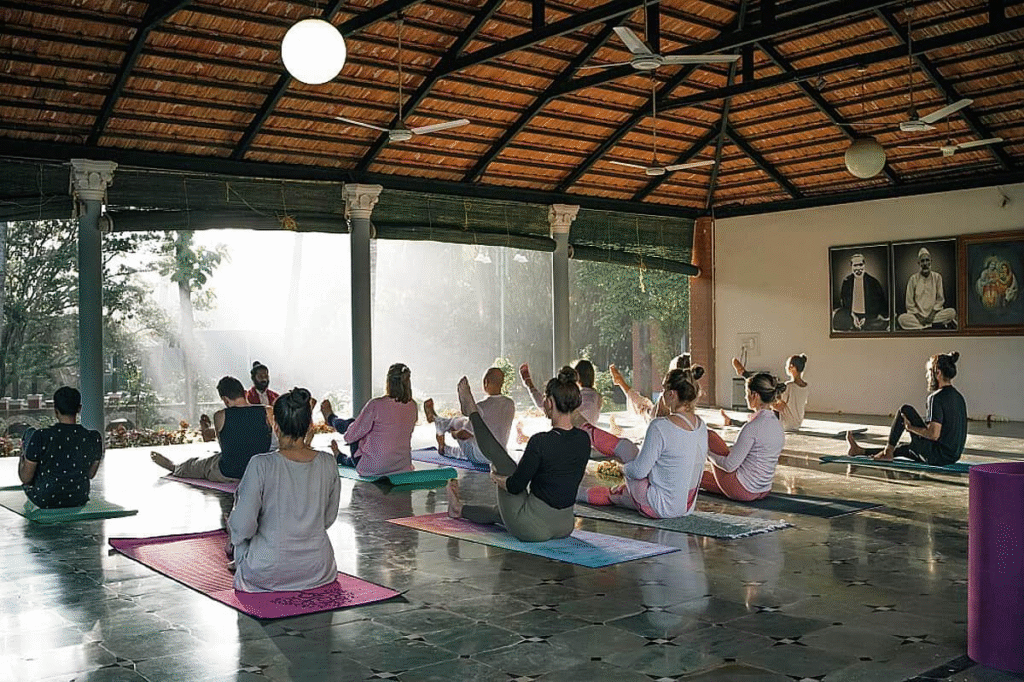
A student sitting comfortably, breathing with awareness, and observing the mind without judgement is practising yoga just as deeply as someone performing an advanced arm balance.
The true measure of progress is not how impressive a posture looks—it is how peaceful, present, and aware you become while practising it.
Part 5 – Dharana, Dhyana, and Samadhi: The Inner Journey of Yoga
“The deepest journey in yoga is not measured by how far you can stretch your body, but by how peacefully you can observe your mind.”
After developing a stable body through Asana, balancing the breath with Pranayama, and learning to turn the senses inward through Pratyahara, Patanjali introduces the final three limbs of yoga.
These are often called the inner limbs because they focus on the mind and awareness rather than physical movement.
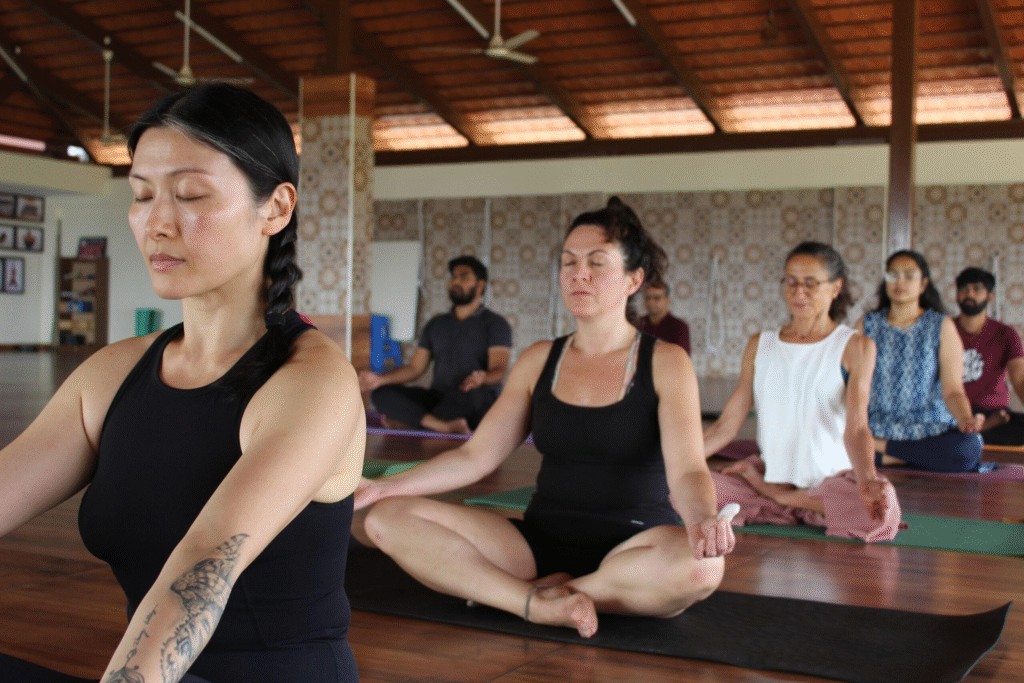
Many people think meditation is simply sitting with closed eyes. In reality, meditation is a skill that develops gradually. Just as you would not expect to run a marathon without training, the mind also needs preparation.
That is why the Eight Limbs of Yoga are arranged in a meaningful order. Each limb supports the next, allowing concentration and meditation to arise naturally.
At Diksha Yoga School, we help students understand that these advanced teachings are not reserved for monks or lifelong practitioners. Every beginner can take the first steps by practising awareness in daily life.
Quote Box
“A peaceful mind is not created by stopping thoughts but by learning not to follow every one of them.
The Sixth Limb: Dharana (Concentration)
The Sanskrit word Dharana means focused concentration.
It is the practice of gently directing the mind toward one object without allowing it to wander constantly.
Think about how often your attention changes during the day.
You may start reading a book, then check your phone, remember an email, think about dinner, and suddenly forget what you were reading.
The mind naturally jumps from one thought to another.
Dharana teaches us to strengthen our ability to remain present.
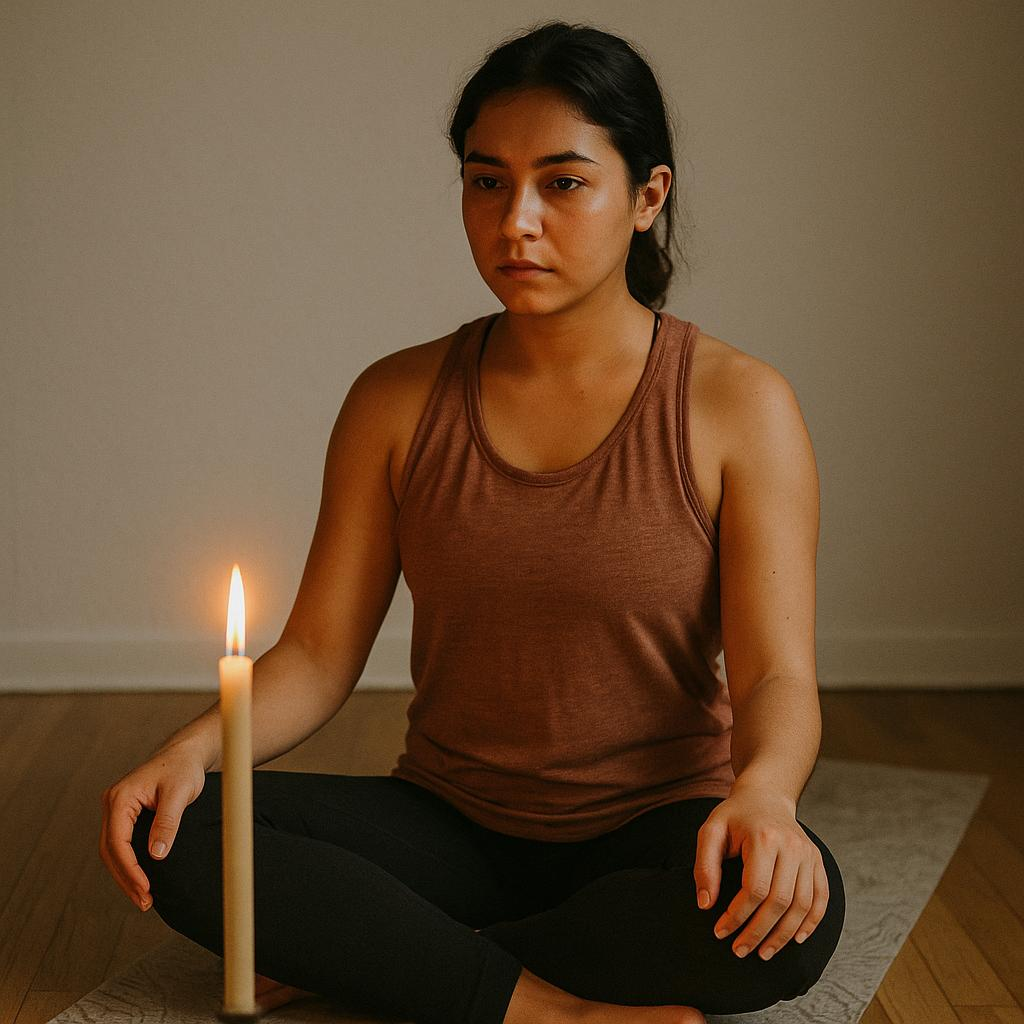
What Can We Focus On?
In yoga, the object of concentration can be many different things.
For example:
- The natural breath
- A candle flame
- A mantra
- The heartbeat
- A chakra
- A peaceful image
- A point between the eyebrows
- The sensations within the body
The object itself is less important than the quality of attention we bring to it.
Everyday Examples of Dharana
You don’t have to be sitting in meditation to practise concentration.
You are developing Dharana when you:
- Listen fully during a conversation without checking your phone.
- Complete one task before starting another.
- Cook a meal with full attention.
- Practise yoga while staying aware of your breath.
- Read a chapter of a book without distractions.
These simple habits strengthen the mind over time.
Common Challenges Beginners Face
Most beginners believe they are “bad at meditation” because their minds keep wandering.
In reality, this is completely normal.
When practising Dharana, you may notice:
- Random thoughts
- Memories
- Future plans
- Emotions
- Sounds around you
- Physical sensations
The practice is not about stopping these experiences.
Instead, each time you notice your attention has wandered, you gently return your focus.
That return is the practice.
The Seventh Limb: Dhyana (Meditation)
As concentration becomes steadier, it naturally develops into Dhyana, or meditation.
Many people ask:
“What is the difference between concentration and meditation?”
The difference is subtle.
Imagine pouring water from one glass into another.
If the flow is interrupted, it starts and stops repeatedly.
This is similar to concentration.
Now imagine a river flowing smoothly without interruption.
That continuous flow resembles meditation.
Quote Box
“Meditation is not an escape from life. It is a deeper way of experiencing it.”
Dharana vs Dhyana
| Dharana (Concentration) | Dhyana (Meditation) |
| Attention is repeatedly brought back | Attention flows naturally |
| Requires conscious effort | Becomes more effortless |
| Mind still wanders often | Mind becomes quieter |
| Practice of focusing | Continuous awareness |
| Beginning of meditation | Deeper state of meditation |
Meditation is not about forcing the mind to become empty.
It is about becoming deeply aware of the present moment without reacting to every thought.
Common Misunderstandings About Meditation
Many people avoid meditation because they believe:
- “I cannot stop thinking.”
- “My mind is too busy.”
- “I need complete silence.”
- “I’m doing it wrong.”
Essential Yoga Philosophy Principles teaches something very encouraging.
The goal is not to eliminate thoughts.
The goal is to change our relationship with them.
Instead of becoming trapped in every thought, we begin to observe them with greater calmness.
Teacher’s Insight – Yogini Manisha
“Many beginners apologise because their minds keep wandering during meditation. I always reassure them that noticing the wandering mind is already part of the practice. Every gentle return to the breath strengthens awareness.”
Benefits of a Regular Meditation Practice
With regular practice, many students notice positive changes such as:
| Area | Possible Benefits |
| Mind | Greater clarity and focus |
| Emotions | Improved emotional balance |
| Stress | Better ability to respond calmly |
| Sleep | More restful sleep patterns |
| Relationships | Increased patience and compassion |
| Self-awareness | Better understanding of thoughts and habits |
These benefits develop gradually through consistent practice.
Quote Box
“The deepest journey in yoga is inward.”
Part 6:The Eighth Limb: Samadhi
The final limb of yoga is Samadhi.
This is one of the most profound concepts in Essential Yoga Philosophy Principles and can be difficult to describe using ordinary language.
Samadhi is often translated as:
- Complete absorption
- Inner freedom
- Deep peace
- Unity
- Self-realisation
It is not something that can be forced or achieved by determination alone.
Instead, it naturally arises when the mind becomes deeply peaceful.
A Simple Way to Understand Samadhi
Imagine looking at a perfectly still lake.
When the surface is calm, it reflects the sky with complete clarity.
When the water is disturbed, the reflection becomes distorted.
Similarly, when the mind becomes quiet, we begin to experience life with greater clarity.
Yoga teaches that beneath our changing thoughts and emotions lies a deeper awareness that is already peaceful.
Samadhi is the direct experience of that inner stillness.
Does Samadhi Mean Escaping Everyday Life?
Not at all.
One of the greatest misunderstandings is that yoga asks us to withdraw from the world.
Instead, yoga teaches us to live fully while remaining inwardly balanced.
A person experiencing moments of deep inner peace can still:
- Work
- Raise a family
- Teach yoga
- Build a business
- Support others
- Face challenges
The difference is that they respond with greater awareness rather than reacting impulsively.
The Journey Through the Final Three Limbs
| Limb | Focus | Result |
| Dharana | Concentration | Steady attention |
| Dhyana | Meditation | Continuous awareness |
| Samadhi | Unity | Deep inner peace and clarity |
These are not separate destinations but stages of one continuous journey.
How Meditation Evolves During Yoga Teacher Training
At Diksha Yoga School, meditation is introduced gradually so that students develop confidence through experience rather than pressure.
| Course Level | Learning Focus |
| 50-Hour Yoga TTC | Breath awareness, body scan, short guided meditations. |
| 100-Hour Yoga TTC | Building concentration, establishing a regular meditation practice, understanding common challenges. |
| 200-Hour Yoga TTC | Teaching guided meditation, applying yogic philosophy, using meditation to support students. |
| 300-Hour Yoga TTC | Advanced meditation techniques, silent practice, self-inquiry, and integrating meditation into teaching and daily life. |
This progressive approach allows students to experience meditation naturally rather than feeling overwhelmed.
Meditation Is a Daily Practice, Not a Performance
One of the most valuable lessons we share with our students is this:
Meditation is not about having a perfect session.
Some days the mind feels peaceful.
Some days it feels busy.
Both experiences are part of the practice.
Progress comes from returning with patience and consistency, not from judging yourself.
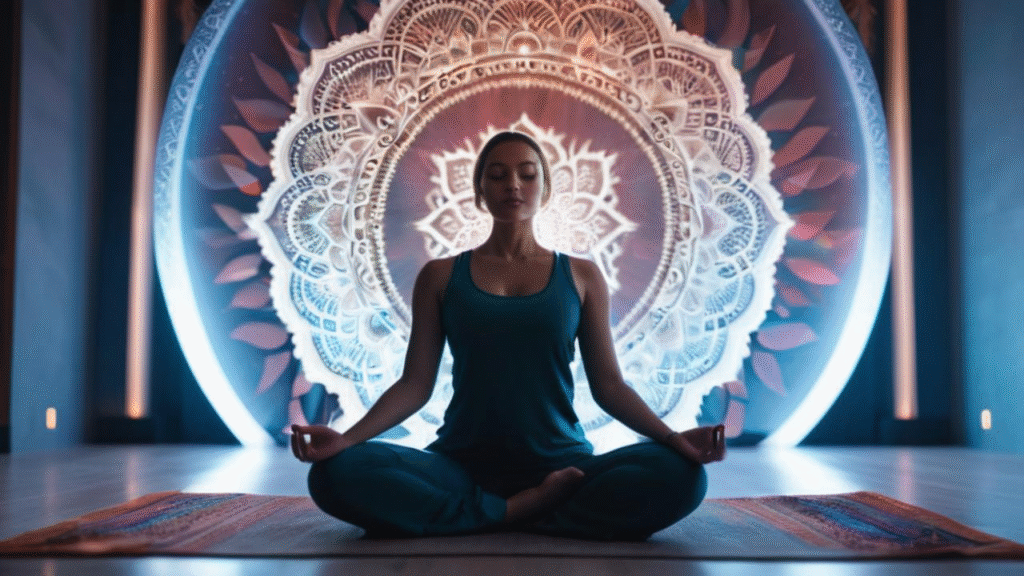
Even ten minutes of mindful sitting each day can gradually strengthen your ability to remain calm, focused, and present in everyday life.
Bringing the Eight Limbs Together
At this stage, we can see how beautifully Patanjali designed the Eight Limbs.
| Limb | What It Teaches |
| Yama | Live with kindness and integrity. |
| Niyama | Develop self-discipline and self-awareness. |
| Asana | Create a stable and comfortable body. |
| Pranayama | Balance the breath and calm the nervous system. |
| Pratyahara | Turn attention inward. |
| Dharana | Strengthen concentration. |
| Dhyana | Experience meditation. |
| Samadhi | Realise inner peace and unity. |
Rather than eight separate practices, they work together as one complete path of personal growth.
Part 6 – Karma, Dharma, Gunas, Koshas, Kleshas & Applying Essential Yoga Philosophy Principles in Daily Life (Final Part)
“Essential Yoga Philosophy Principles is not complete until it becomes part of the way we think, speak, and live.”
If you have followed this guide from the beginning, you have learned that yoga is much more than physical exercise. You have explored the Eight Limbs of Yoga, discovered the wisdom of Sage Patanjali, and understood how yoga gradually guides us from the body to the mind and toward deeper awareness.
In this final section, we will explore some of the most important concepts taught in traditional yoga philosophy. These ideas are introduced gradually throughout Yoga Teacher Training and help students understand not only how to practise yoga, but why these practices create lasting transformation.
Understanding Karma: Every Action Has an Effect
One of the most well-known ideas in Essential Yoga Philosophy Principles is Karma.
Many people think karma means that good things happen to good people and bad things happen to bad people. In reality, the concept is more practical.
The Sanskrit word Karma simply means action.
Every thought, every word, and every action creates an effect. Just as planting a seed eventually produces a plant, our actions shape our experiences over time.
Yoga encourages us to become more aware of the choices we make each day.
Quote Box
“Every thought, every word, and every action plants a seed for tomorrow.”
Teacher’s Insight – Yogini Manisha
“Essential Yoga Philosophy Principles becomes meaningful when we apply it in ordinary moments—how we speak to others, how we respond to challenges, and how consistently we return to our practice. These everyday actions gradually shape who we become.”
Everyday Examples of Karma
| Action | Possible Effect |
| Speaking kindly | Builds trust and healthy relationships |
| Practising regularly | Gradual improvement in health and awareness |
| Ignoring stress | Increased mental and physical tension |
| Helping others | Creates connection and compassion |
| Learning with patience | Builds confidence over time |
Karma is not about fear or punishment. It reminds us that our daily choices matter.
THOUGHT
↓
ACTION
↓
HABIT
↓
CHARACTER
↓
DESTINY
↑
Every choice creates
a new thought.
Figure 4. According to Essential Yoga Philosophy Principles, repeated thoughts and actions gradually shape our habits, character, and future experiences
Dharma: Living with Purpose
Another important teaching is Dharma.
Dharma can be understood as living in alignment with your values, responsibilities, and purpose.
For each person, Dharma may look different.
A yoga teacher’s Dharma is to guide students with honesty and compassion.
A parent’s Dharma is to care for their family.
A student’s Dharma is to learn with sincerity and respect.
Living according to Dharma creates a sense of direction and meaning.
Quote Box
“Purpose is discovered through living with awareness, not by chasing perfection.”
The Three Gunas: Understanding Human Nature
Essential Yoga Philosophy Principles explains that all of nature, including the human mind, is influenced by three qualities called the Gunas.
SATTVA
Calm • Wisdom • Balance
▲
/ \
/ \
/ \
/ \
TAMAS ———– RAJAS
Rest • Inertia Action • Energy
These qualities are always changing.
| Guna | Qualities | Everyday Example |
| Sattva | Clarity, balance, peace | Feeling calm after meditation or time in nature |
| Rajas | Activity, ambition, movement | Working hard, rushing, constant planning |
| Tamas | Rest, heaviness, inertia | Feeling tired, unmotivated, or resistant to change |
None of these qualities are “good” or “bad.”
For example:
- We need Rajas to take action.
- We need Tamas to sleep and recover.
- We need Sattva for wisdom and inner balance.
The goal of yoga is not to eliminate the Gunas but to cultivate more Sattva, allowing us to respond to life with greater clarity.
Yoga Practice
↓
Less Tamas
↓
Balanced Rajas
↓
More Sattva
The Five Kleshas: Why Do We Suffer?
Patanjali explains that much of our suffering comes from five mental obstacles called the Kleshas.
Understanding them helps us recognise habits that keep the mind restless.
| Klesha | Meaning | Simple Example |
| Avidya | Ignorance or misunderstanding | Believing happiness depends only on external success |
| Asmita | Ego or false identification | Defining yourself only by achievements or appearance |
| Raga | Attachment | Feeling unhappy when you cannot have what you want |
| Dvesha | Aversion | Avoiding situations because of past negative experiences |
| Abhinivesha | Fear of loss or change | Worrying constantly about the future |
Yoga does not ask us to judge ourselves for experiencing these obstacles.
Instead, it teaches us to become aware of them so we can respond with greater wisdom.
The Five Koshas: Layers of Our Being
Essential Yoga Philosophy Principles describes the human experience as five interconnected layers called the Koshas.
Rather than seeing ourselves as only a physical body, yoga recognises that health includes the body, breath, mind, wisdom, and inner joy.
| Kosha | Meaning | What It Represents |
| Annamaya Kosha | Physical Body | Muscles, bones, organs, and movement |
| Pranamaya Kosha | Energy Body | Breath and life force |
| Manomaya Kosha | Mental Body | Thoughts, emotions, and feelings |
| Vijnanamaya Kosha | Wisdom Body | Intuition, understanding, and insight |
| Anandamaya Kosha | Bliss Body | Deep peace and inner contentment |
| ANANDAMAYA KOSHA Bliss & Inner Peace ───────────────────── VIJNANAMAYA KOSHA Wisdom & Intuition ───────────────────── MANOMAYA KOSHA Mind & Emotions ───────────────────── PRANAMAYA KOSHA Breath & Life Energy ───────────────────── ANNAMAYA KOSHA Physical Body |
During Yoga Teacher Training, students gradually explore how practices like asana, pranayama, meditation, and self-reflection support each of these layers.
How Essential Yoga Philosophy Principles Develops Throughout Teacher Training
At Diksha Yoga School, Essential Yoga Philosophy Principles is taught progressively so that students can build understanding through experience.
| Course | Philosophy Topics |
| 50-Hour Yoga Teacher Training | Meaning of yoga, introduction to Patanjali, Eight Limbs, basic meditation, yogic lifestyle |
| 100-Hour Yoga Teacher Training | Yamas, Niyamas, breath awareness, Bhagavad Gita introduction, practical philosophy |
| 200-Hour Yoga Teacher Training | Yoga Sutras, Koshas, Karma, Dharma, teaching ethics, philosophy in class sequencing |
| 300-Hour Yoga Teacher Training | Advanced Yoga Sutras, Kleshas, Gunas, subtle body philosophy, mentoring students, deeper self-inquiry |
This gradual progression allows students to understand philosophy through personal practice rather than memorisation.
Essential Yoga Philosophy Principles in Everyday Life
Many people ask:
“How can I apply these teachings outside the yoga studio?”
The answer is simple.
Every day provides opportunities to practise yoga.
At Home
- Speak with patience.
- Listen without interrupting.
- Express gratitude.
- Create a peaceful environment.
At Work
- Stay focused on one task at a time.
- Communicate honestly.
- Treat colleagues with respect.
- Respond thoughtfully instead of reacting emotionally.
During Yoga Practice
- Breathe steadily.
- Avoid comparing yourself with others.
- Respect your body’s limits.
- Stay present.
In Relationships
- Practise kindness.
- Accept differences.
- Let go of unnecessary arguments.
- Support the growth of others.
These simple habits gradually bring Essential Yoga Philosophy Principles into everyday life.
Quote Box
“The real yoga practice begins after you roll up your mat.”
Teacher’s Insight – Yogini Manisha
“I encourage every student to choose just one yogic principle each week and practise it intentionally. Small, consistent changes often create much deeper transformation than trying to change everything at once.”
Common Mistakes Beginners Make
Every student begins somewhere, and mistakes are part of the learning process.
Here are some of the most common ones we see.
| Mistake | A Better Approach |
| Believing yoga is only physical exercise | Remember that yoga includes the mind, breath, and lifestyle |
| Comparing yourself with others | Focus on your own progress |
| Rushing toward advanced poses | Build strong foundations first |
| Expecting instant results | Trust consistent practice |
| Memorising philosophy without living it | Apply one teaching each day |
A Simple Daily Yogic Routine
You don’t need hours of free time to begin living Essential Yoga Philosophy Principles.
Here is a practical routine that many beginners find helpful.
| Time | Practice |
| Morning | Five minutes of gratitude and mindful breathing |
| Yoga Practice | Move with awareness rather than rushing |
| During the Day | Practise one Yama or Niyama consciously |
| Evening | Spend ten minutes in meditation or quiet reflection |
| Before Sleep | Reflect on one lesson learned during the day |
Small, consistent habits often create deeper transformation than occasional intense practice.
Why Essential Yoga Philosophy Principles Makes Better Yoga Teachers
A knowledgeable yoga teacher does more than explain alignment.
They also help students:
- Develop self-awareness.
- Build confidence.
- Understand the purpose behind each practice.
- Create a safe and welcoming environment.
- Integrate yoga into daily life.
This is why philosophy is an essential part of every authentic Yoga Teacher Training program.
Students may forget the name of a posture, but they often remember how a teacher made them feel—supported, encouraged, and inspired.
Final Reflection
Essential Yoga Philosophy Principles reminds us that the greatest journey is not toward mastering difficult poses but toward understanding ourselves.
Final Reflection – Yogini Manisha
“After teaching yoga for many years, I have learned that students rarely remember every Sanskrit word or philosophical concept. What stays with them is how yoga helps them become calmer, kinder, more confident, and more present in their everyday lives. That is the true purpose of Essential Yoga Philosophy Principles.”
Every breath, every thoughtful action, every moment of kindness, and every period of quiet reflection becomes part of the practice.
Whether you are beginning with a 50-Hour Yoga Teacher Training, expanding your knowledge in a 100-Hour or 200-Hour Yoga Teacher Training, or refining your teaching through a 300-Hour Advanced Yoga Teacher Training, these timeless teachings continue to offer guidance.
Yoga is not about becoming someone else.
It is about uncovering the calm, compassionate, and authentic person who is already within you.
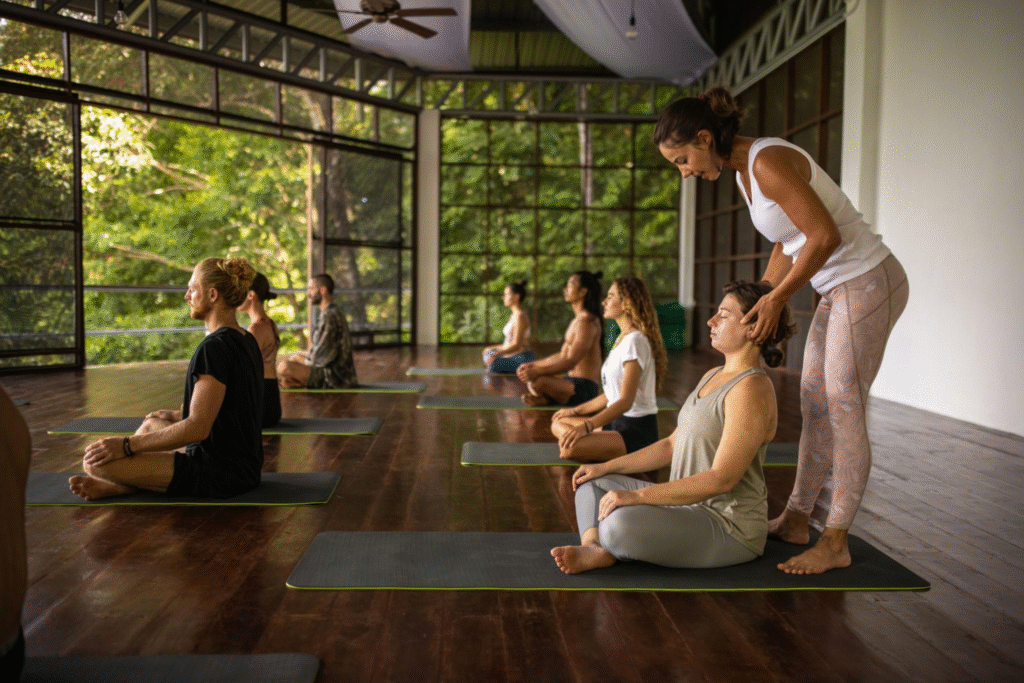
At Diksha Yoga School, we are honoured to share these traditional teachings in a supportive and practical way. Our goal is not only to help students become skilled yoga teachers but also to help them cultivate awareness, confidence, and balance that extends far beyond the yoga mat.
Browse our Gallery to see authentic philosophy classes, meditation sessions, chanting circles, yoga practice, and student experiences from Diksha Yoga School.
May your practice continue with curiosity, patience, and an open heart.
Quote Box
“Yoga is not something we practise for one hour each day. It is a way of living every moment with awareness, compassion, and balance.
Frequently Asked Questions (FAQ)
1. What is yoga philosophy?
Essential Yoga Philosophy Principles is the collection of teachings that explains how to create balance between the body, mind, breath, emotions, and inner awareness. It includes the Yoga Sutras, the Eight Limbs of Yoga, and practical principles for everyday living.
2. Is Essential Yoga Philosophy Principles only for yoga teachers?
No. Essential Yoga Philosophy Principles is for anyone who wants to understand yoga beyond physical postures. Whether you are a beginner or an experienced practitioner, these teachings can help you develop greater self-awareness and inner balance.
3. What are the Eight Limbs of Yoga?
The Eight Limbs are:
- Yama (Ethical Principles)
- Niyama (Personal Disciplines)
- Asana (Posture)
- Pranayama (Breath Regulation)
- Pratyahara (Withdrawal of the Senses)
- Dharana (Concentration)
- Dhyana (Meditation)
- Samadhi (State of Unity)
Together, they form a complete path of yoga.
4. Why is Essential Yoga Philosophy Principles important in Yoga Teacher Training?
Essential Yoga Philosophy Principles helps teachers understand the purpose behind yoga practices. It develops communication skills, self-awareness, ethical teaching, meditation, and the ability to guide students with confidence and authenticity.
5. Can beginners understand yoga philosophy?
Absolutely. When explained in simple language with practical examples, Essential Yoga Philosophy Principles becomes accessible to everyone. You do not need prior knowledge of Sanskrit or ancient texts to begin.
6. Which yoga text should I read first?
Many beginners start with Patanjali’s Yoga Sutras, followed by the Bhagavad Gita. Reading alongside guidance from experienced teachers makes these teachings much easier to understand.
Conclusion
Essential Yoga Philosophy Principles is not a subject to finish—it is a lifelong journey of learning, reflection, and practice. The more we apply these teachings in our daily lives, the more naturally qualities like patience, compassion, discipline, and inner peace begin to grow.
Whether your goal is personal well-being or becoming a certified yoga teacher, understanding Essential Yoga Philosophy Principles provides a strong foundation that supports every stage of your journey. At Diksha Yoga School, we believe that when philosophy and practice come together, yoga becomes not just something we do, but a way of living.
Experience Authentic Yoga Philosophy at Diksha Yoga School
Apply Now & Master the Eight Limbs of Yoga