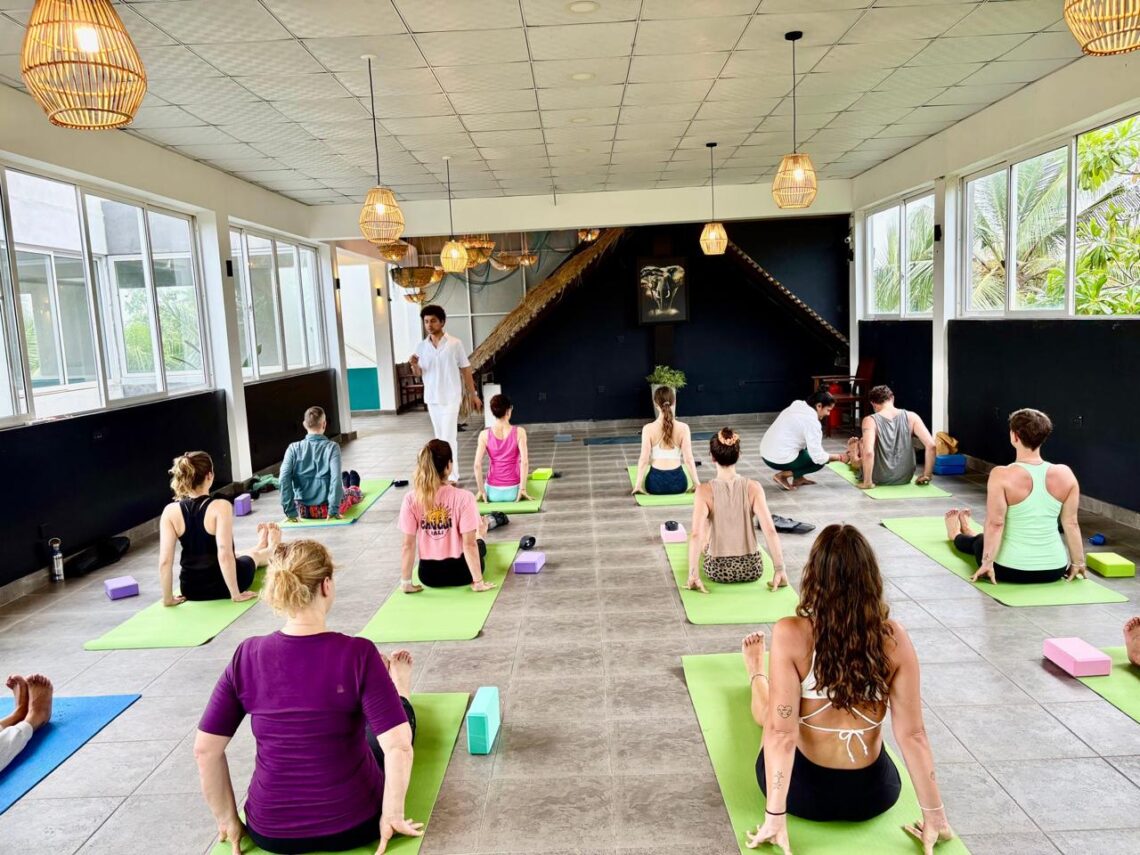
Reviewed By Soniya Rangher
Goa vs Sri Lanka vs Thailand Yoga Teacher Training
Choosing where to complete your Goa vs Sri Lanka vs Thailand Yoga Teacher Training is about much more than selecting a beautiful destination. The right place should support your learning, offer a comfortable environment, provide a well-structured curriculum and give you enough practical experience to grow into a confident yoga teacher.
Goa in India, Koh Samui in Thailand and Galle in Sri Lanka are three popular destinations for residential yoga teacher training. Each offers a different experience: Goa combines yoga with India’s traditional spiritual culture, Thailand offers a relaxed tropical island environment, and Sri Lanka provides a peaceful setting surrounded by nature.
At Diksha Yoga School, we offer 200-hour residential yoga teacher training programmes in all three destinations. The core learning journey is designed around traditional Hatha Yoga, Vinyasa Flow, pranayama, meditation, yoga philosophy, anatomy, alignment and teaching methodology.
Table of Contents
So, which destination should you choose?
Choose Goa if you want to experience yoga in India, enjoy a lively beach village and study in the birthplace of traditional yoga. Choose Thailand if you prefer a tropical island environment and a resort-style learning experience. Choose Sri Lanka if you are looking for a peaceful villa setting, tropical surroundings and a quieter atmosphere for study.
This guide compares the three destinations, including course fees, accommodation, meals, training environments, travel considerations and the factors that can affect your overall budget.
Quick Comparison: Goa vs Thailand vs Sri Lanka
| Feature | Goa, India | Koh Samui, Thailand | Galle, Sri Lanka |
|---|---|---|---|
| Training location | Arambol Beach | Bang Por Beach, Koh Samui | Galle |
| Training venue | The Lotus Sutra | Health Oasis Resort | Green Serene Villa |
| Environment | Beach village and yoga community | Tropical island and beachfront resort | Peaceful villa and tropical surroundings |
| Course duration | 23 days / 22 nights | 23 days / 22 nights | 23 days / 22 nights |
| Training | 200 hours | 200 hours | 200 hours |
| Shared accommodation | €1,800 twin shared | €2,300 twin shared | €2,200 triple shared or €2,700 twin shared |
| Private accommodation | €2,000 | €2,700 | €3,200 |
| Meals included | Three sattvic vegetarian meals daily | Sattvic vegetarian breakfast and lunch daily | Three sattvic vegetarian meals daily |
| Airport pickup | Included | Included | Included |
| Suitable for | Students interested in traditional yoga and Indian culture | Students who enjoy island life and a resort environment | Students who prefer a peaceful, nature-focused setting |
Fees shown are the published course fees for the listed room options. Flights, visa or travel authorisation costs, insurance and personal expenses are separate. Always check the current dates, room availability and package details before booking.
1. Yoga Teacher Training in Goa, India
Experience yoga in its traditional home
Goa is an excellent choice for students who want to experience yoga in India while enjoying a relaxed coastal lifestyle. It offers a unique combination of traditional Indian culture, beautiful beaches, yoga communities and opportunities to explore the philosophy behind the practice.
Our 200-hour yoga teacher training takes place at The Lotus Sutra, near Arambol Beach in North Goa. Arambol has a welcoming international community, small cafés, local markets and a relaxed beach atmosphere.
The setting gives students the opportunity to focus on their daily training while experiencing everyday life in India.
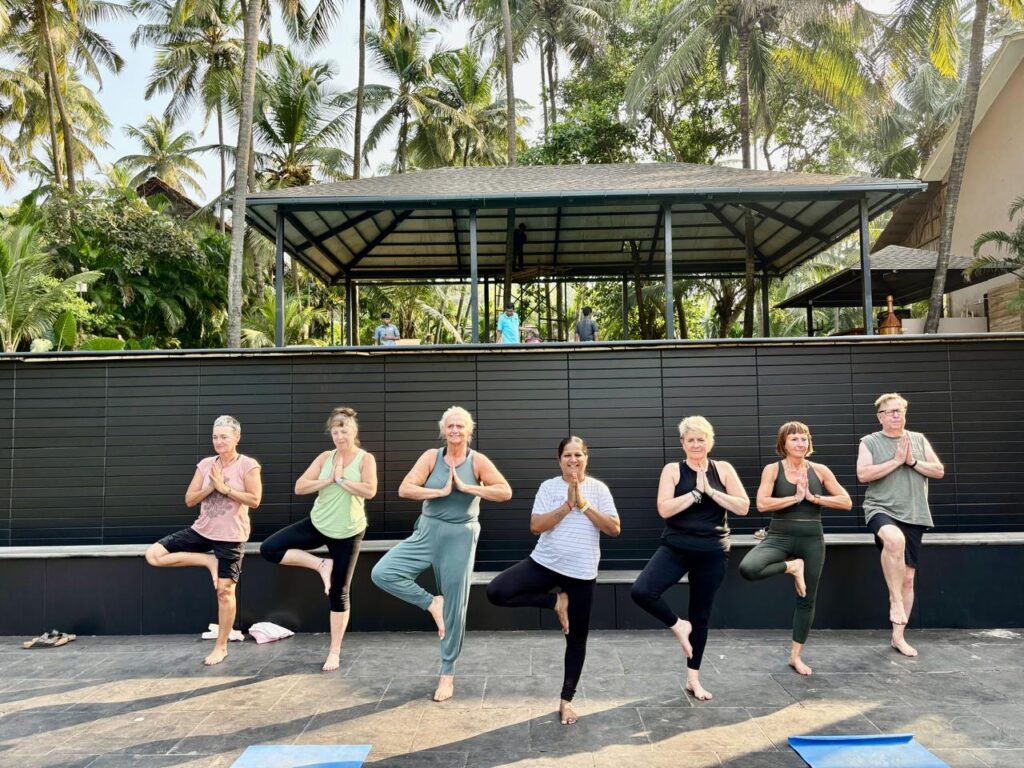
What makes Goa a good choice?
- Experience yoga training in India, where many traditional yoga teachings originated.
- Study Hatha Yoga, Vinyasa Flow, pranayama and meditation.
- Explore yoga philosophy and traditional practices in a culturally rich environment.
- Enjoy a beachside location in Arambol with cafés, local markets and a welcoming international community.
- Experience Indian food, culture and local traditions.
Accommodation and food in Goa
Students stay at The Lotus Sutra in private or twin-shared accommodation. The residential package includes three sattvic vegetarian meals daily, supporting a balanced routine throughout the training.
Airport pickup, course materials and other listed programme inclusions are part of the package. Please check the 200-hour Goa course page for the current inclusions and arrival arrangements.
200-hour course fees in Goa
| Accommodation | Course fee |
| Twin-shared room | €1,800 |
| Private room | €2,000 |
Course duration: 23 days / 22 nights.
Best for: Students who want to study yoga in India, experience traditional yogic culture and enjoy a relaxed beach village.
Explore the 200 Hour Yoga Teacher Training in Goa.
2. Yoga Teacher Training in Koh Samui, Thailand
Learn yoga in a tropical island environment
Koh Samui offers a different atmosphere from Goa. Known for its tropical beaches, coconut trees, island lifestyle and beautiful coastal surroundings, it is an appealing destination for students who want to combine structured yoga study with a peaceful island experience.
Our training takes place at Health Oasis Resort on Bang Por Beach, a quieter area of Koh Samui. The surroundings provide a relaxed environment for daily practice, study and reflection.
Students can enjoy the island’s natural beauty during their free time and selected excursions.
<YOUR THAILAND COURSE IMAGE OR EXISTING PAGE IMAGE>
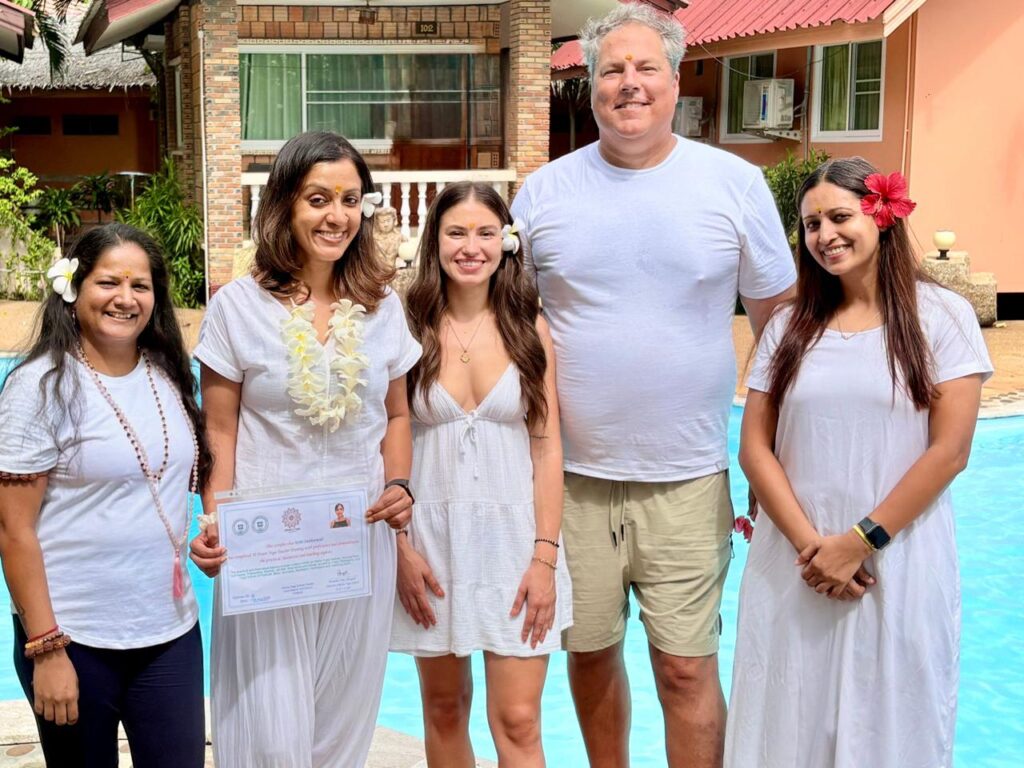
What makes Koh Samui a good choice?
- Study in a tropical island setting in Koh Samui.
- Enjoy a beachfront resort environment.
- Experience a quieter part of Koh Samui away from some of the busier tourist areas.
- Combine yoga practice with time to explore the island.
- Enjoy a residential learning environment with accommodation close to the training facilities.
Accommodation and food in Thailand
Students stay at Health Oasis Resort in twin-shared or private accommodation.
The published package includes sattvic vegetarian meals for breakfast and lunch daily. Dinner is not included, giving students the flexibility to choose from the resort restaurant or nearby dining options.
Airport pickup from Koh Samui Airport, training materials and other listed programme inclusions are included according to the published Thailand course package.
200-hour course fees in Thailand
| Accommodation | Course fee |
| Twin-shared room | €2,300 |
| Private room | €2,700 |
Course duration: 23 days / 22 nights.
Best for: Students who prefer a tropical island, beachfront resort accommodation and a relaxed environment for their yoga training.
Explore the 200 Hour Yoga Teacher Training in Thailand.
3. Yoga Teacher Training in Galle, Sri Lanka
Find a peaceful setting for learning and self-discovery
Sri Lanka is a wonderful option for students who want a quieter environment surrounded by tropical greenery, nature and coastal beauty.
Our yoga teacher training takes place at Green Serene Villa in Galle, South Sri Lanka. The setting offers a peaceful atmosphere where students can focus on their daily classes, personal practice and the deeper aspects of yoga.
Galle also gives students opportunities to explore Sri Lankan culture, local beaches, historic places and the surrounding natural landscape.
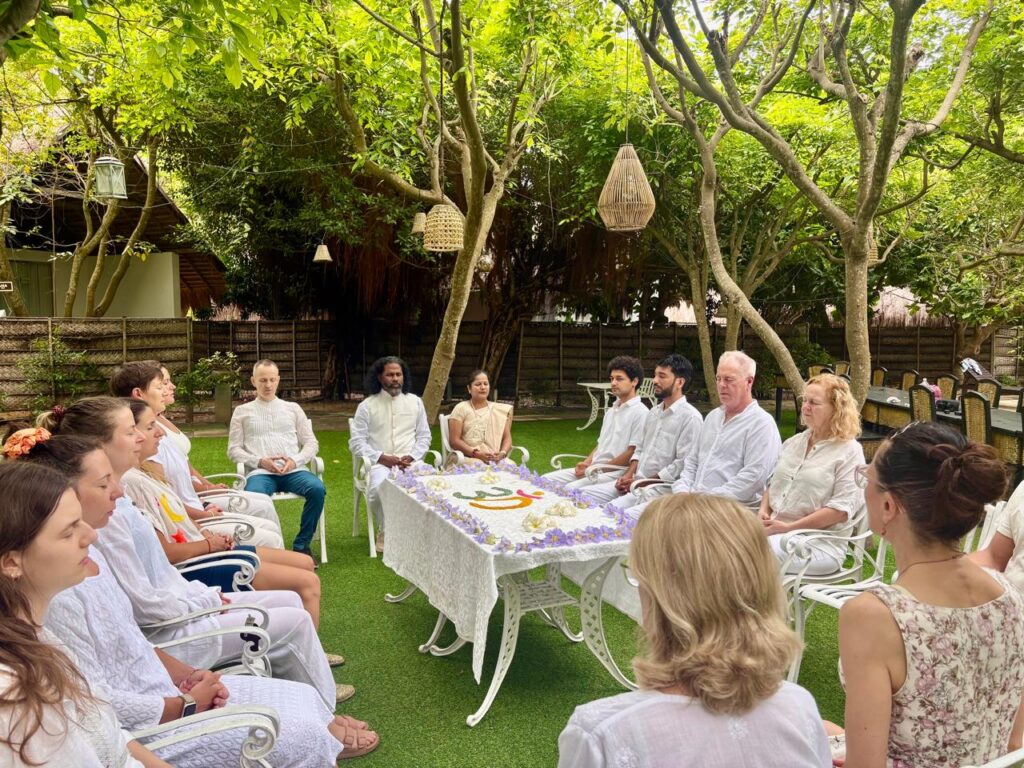
What makes Sri Lanka a good choice?
- Enjoy a peaceful tropical setting in Sri Lanka for residential study.
- Experience Sri Lankan culture and local hospitality.
- Explore beautiful beaches and natural surroundings in Galle during free time.
- Develop a consistent daily yoga routine away from a busy city environment.
- Study yoga in a setting that encourages reflection, learning and personal growth.
Accommodation and food in Sri Lanka
Students stay at Green Serene Villa in Galle, Sri Lanka. Accommodation options include triple-shared, twin-shared and private rooms.
The residential package includes three sattvic vegetarian meals daily, airport pickup from Colombo and other listed Sri Lanka course inclusions.
200-hour course fees in Sri Lanka
| Accommodation | Course fee |
| Triple-shared room | €2,200 |
| Twin-shared room | €2,700 |
| Private room | €3,200 |
Course duration: 23 days / 22 nights.
Best for: Students who prefer a peaceful villa setting, tropical surroundings and a quieter atmosphere for focused learning.
Explore the 200 Hour Yoga Teacher Training in Sri Lanka.
4. What Will You Learn During the 200-Hour Yoga Teacher Training?
Whichever destination you choose, the quality and structure of the training should be one of your most important considerations.
At Diksha Yoga School, the 200-hour programme is designed to help students develop a strong personal practice, understand the foundations of yoga and gain the practical skills needed to begin teaching.
The curriculum includes:
Hatha Yoga
Learn traditional Hatha Yoga postures, foundational techniques, alignment principles and the relationship between breath, body and awareness.
Vinyasa Flow
Explore the connection between movement and breath. Learn how to practise and create flowing sequences with appropriate transitions.
Pranayama
Study traditional breathing practices and their role in preparing the body and mind for meditation. Techniques include Nadi Shodhana, Kapalabhati, Bhastrika and Ujjayi, introduced progressively.
Meditation
Develop concentration, awareness and inner stillness through guided meditation, mindfulness practices, mantra and traditional approaches to meditation.
Yoga Philosophy
Explore the foundations of yogic philosophy, including the Yoga Sutras of Patanjali, the Eight Limbs of Yoga and key teachings from traditional yoga texts.
Yoga Anatomy and Alignment
Understand basic functional anatomy, movement principles, posture alignment and considerations for safe and effective yoga practice.
Teaching Methodology
Learn how to structure a class, communicate instructions, use clear verbal cues, understand sequencing and develop confidence in guiding students.
Teaching Practice
Put your learning into practice through supervised teaching sessions, observation and constructive feedback.
5. How Is the Daily Schedule Structured?
A consistent daily routine helps students develop discipline and gives them time to study, practise and reflect.
A typical training day may include:
| Time | Activity |
|---|---|
| 6:30 AM | Morning cleansing practices and pranayama |
| 7:00 – 8:30 AM | Hatha Yoga or Vinyasa Flow |
| 8:40 AM | Breakfast |
| 10:00 – 11:00 AM | Meditation or yoga philosophy |
| 11:00 AM – 1:00 PM | Anatomy, alignment or theoretical classes |
| 1:00 PM | Lunch |
| 2:00 – 4:00 PM | Teaching methodology, practice or self-study |
| 4:00 – 5:30 PM | Asana practice or teaching practicum |
| 6:00 PM | Evening meditation, pranayama or restorative practice |
| 7:30 PM | Dinner or personal time, depending on the location’s meal package |
The exact timetable and class sequence may vary by destination and training day. The Thailand package includes breakfast and lunch; dinner is not included.
6. Which Destination Is More Affordable?
The course fee is an important part of your decision, but it should not be the only factor.
A course with a lower advertised price may not necessarily have the lowest overall cost if accommodation, meals, airport transfers or other essentials are charged separately.
Here is how the published Diksha Yoga School course fees compare:
| Destination | Lowest listed room option | Private room |
| Goa | €1,800 twin shared | €2,000 |
| Thailand | €2,300 twin shared | €2,700 |
| Sri Lanka | €2,200 triple shared | €3,200 |
Goa has the lowest listed twin-shared course fee among these options. Sri Lanka offers a triple-shared option, while Thailand provides a beachfront resort environment with breakfast and lunch included.
However, the final amount you spend will depend on your travel arrangements and personal choices. See the course schedule and fees for more details.
What should you include in your total budget?
Before booking, compare these expenses for all three destinations:
- Course fee: Check the exact room category and what the fee covers. Compare the course schedule and fees.
- International flights: Compare flights from your departure airport to Goa, Colombo or Koh Samui.
- Airport transfers: Confirm whether airport pickup is included and which airport is covered.
- Meals: Check how many meals are included each day. In particular, remember that dinner is not included in the Thailand package. See the food and accommodation details.
- Visa or travel authorisation: Requirements and fees depend on your nationality and can change. Check the official India e-Visa, Thailand e-Visa or Sri Lanka ETA website before travelling.
- Travel insurance: Include suitable travel and medical insurance in your budget.
- Personal expenses: Allow for snacks, cafés, local transport, shopping and activities during free time.
- Optional Yoga Alliance registration: The school certificate and any separate Yoga Alliance registration fee are not the same thing.
Our advice: Compare the complete package rather than choosing a school based only on its advertised course fee. Ask for a written list of inclusions and exclusions before making your payment.
7. Weather and the Best Time to Visit
Weather can influence your experience, especially when you are planning to spend several weeks in a residential training environment.
Goa generally has a tropical climate. The cooler and drier months from November to February are popular for beach activities and outdoor experiences. The monsoon season usually brings heavier rainfall, especially between June and September.
Koh Samui has its own island climate, which differs from many other parts of Thailand. Rainfall patterns can vary, and the island commonly experiences a wetter period around October to December. Conditions can change, so check the forecast close to your travel date.
Galle has a tropical climate throughout the year. The southwest monsoon can bring heavier rain to the southern coast, particularly around May to September. December to March is generally a popular period for visiting the south coast, although local weather can still vary.
Important: These are broad seasonal patterns, not guarantees of daily weather. Check local forecasts before booking flights and planning excursions.
8. Which Destination Should You Choose?
There is no single best destination for everyone. Your ideal location depends on the environment in which you feel most comfortable learning.
Choose Goa if:
- You want to experience yoga in India.
- You are interested in traditional yogic culture and philosophy.
- You enjoy a lively beach village with an international yoga community.
- You want a lower published twin-shared course fee.
- You would like three sattvic vegetarian meals daily as part of the listed package.
Choose Thailand if:
- You prefer a tropical island environment.
- You enjoy beachfront resort accommodation.
- You want to explore Koh Samui during your free time.
- You are comfortable arranging dinner separately.
- You prefer a quieter beach area for your residential training.
Choose Sri Lanka if:
- You prefer a peaceful villa environment.
- You enjoy tropical greenery and natural surroundings.
- You want the option of triple-shared, twin-shared or private accommodation.
- You would like three sattvic vegetarian meals daily as part of the listed package.
- You are interested in exploring Galle and the southern coast of Sri Lanka.
9. Why Choose Diksha Yoga School?
Choosing the right school is at least as important as choosing the destination.
A meaningful yoga teacher training should offer more than a certificate. It should help you understand the foundations of yoga, develop your personal practice and learn how to guide others with care, awareness and confidence.
Diksha Yoga School was founded by Yogini Manisha, an E-RYT 500 yoga teacher with more than 16 years of teaching, training and mentoring experience.
Our approach brings traditional yogic teachings together with structured learning and practical teaching experience.
What you can expect
- Experienced guidance: Learn under the guidance of Yogini Manisha and the teaching team.
- Small-group learning: Batches are limited to a maximum of 10 students, allowing more personal guidance and feedback.
- Traditional foundations: Study Hatha Yoga, Vinyasa Flow, pranayama, meditation and yoga philosophy.
- Practical teaching experience: Develop your confidence through sequencing, cueing and supervised teaching practice.
- Residential learning: Stay at the training venue and follow a structured daily routine.
- Three destinations: Choose the environment that best supports your learning journey.
Diksha Yoga School is listed as a Yoga Alliance Registered Yoga School. Students who successfully complete the relevant 200-hour programme receive a course completion certificate and may apply for RYT 200 registration, subject to Yoga Alliance’s current requirements.
You can learn more about our approach and teaching team on the About Diksha Yoga School page.
10. Frequently Asked Questions
Which is the best country for yoga teacher training: India, Thailand or Sri Lanka?
All three destinations offer different experiences. India is a strong choice for students interested in traditional yoga culture, Thailand suits students who prefer a tropical island and resort environment, and Sri Lanka offers a peaceful setting surrounded by nature. The best choice depends on your learning preferences, budget and travel plans.
Is yoga teacher training better in Goa or Thailand?
Goa may be a better fit if you want to study yoga in India and experience its traditional cultural background. Thailand may suit you better if you prefer a tropical island environment and beachfront resort accommodation. Both offer structured residential training at Diksha Yoga School.
Is Sri Lanka a good place for a 200-hour yoga teacher training?
Yes. Sri Lanka can be a wonderful destination for students who enjoy a quieter tropical environment. Our training in Galle takes place at Green Serene Villa and includes residential accommodation, daily classes and three sattvic vegetarian meals.
How long is the 200-hour yoga teacher training?
The residential 200-hour programme at Diksha Yoga School runs for 23 days and includes 22 nights of accommodation in Goa, Thailand and Sri Lanka.
Do I need previous yoga teaching experience?
No. The 200-hour programme is designed for aspiring yoga teachers and dedicated practitioners. You do not need previous professional teaching experience. A sincere interest in yoga and willingness to learn are important.
What styles of yoga are included?
The programme covers traditional Hatha Yoga, Vinyasa Flow and Ashtanga foundations, alongside pranayama, meditation, yoga philosophy, anatomy , alignment and teaching methodology.
Are accommodation and meals included?
Yes, residential accommodation is included in the selected room category. Goa and Sri Lanka packages include three sattvic vegetarian meals daily. The Thailand package includes vegetarian breakfast and lunch; dinner is not included. See our food and accommodation details.
Is airport pickup included?
Airport pickup is listed as an inclusion for the three residential programmes. The airport and transfer arrangements differ by destination, so check the relevant course page before booking your flight.
Will I receive a Yoga Alliance certificate?
Students who successfully complete the 200-hour programme receive a course completion certificate from the Yoga Alliance Registered Yoga School. You may then apply for RYT 200 registration, subject to Yoga Alliance’s current requirements and registration process.
Can I choose a private room?
Yes. Private accommodation is available in Goa, Thailand and Sri Lanka. The course fee changes depending on the destination and room category. Check the course schedule and fees.
How do I decide which destination is right for me?
Consider your preferred environment, course budget, travel route, meal arrangements and accommodation preferences. If you are unsure, contact our team with your preferred dates and budget. We can help you compare the three programmes before you decide.
11. Begin Your Yoga Teacher Training Journey with Diksha Yoga School
Whether you choose the beaches of Goa, the tropical island atmosphere of Koh Samui or the peaceful surroundings of Galle, your yoga teacher training should be a meaningful step in your personal and professional development.
At Diksha Yoga School, our aim is to help you build a strong foundation in yoga, deepen your understanding of traditional practices and develop the confidence to share yoga with others.
You do not have to decide on a destination immediately. Tell us what kind of environment you prefer, when you would like to join and what your accommodation budget is. Our team can help you compare the available programmes.
Ready to explore your options?
- View all course dates and fees
- Explore 200 Hour Yoga Teacher Training in Goa
- Explore 200 Hour Yoga Teacher Training in Thailand
- Explore 200 Hour Yoga Teacher Training in Sri Lanka
Contact Diksha Yoga School
WhatsApp: +91 9130157393
Share your preferred dates and room requirements with us, and we will help you find the programme that suits your journey.
Your yoga journey begins with one step, one breath and a willingness to learn.